What are the contraindications to take into account after hair implantation?

What are the contraindications to consider after hair transplantation?
Hair transplantation is a surgical procedure that treats hair loss and restores bald areas. While this procedure is generally safe and effective, it is important to consider certain contraindications to achieve the best results and minimize risks. Here are some important contraindications to consider after hair transplantation:
1. Poor general health
If you have any underlying health conditions such as blood, heart, or immune disorders, it is important to inform your hair surgeon. These health conditions can increase the risk of complications during hair transplantation and can lead to poor healing.
2. Scalp infections
If you have any active infections on your scalp such as fungal, viral, or bacterial infections, it is best to postpone hair transplantation. Infections can compromise the success of the procedure and increase the risk of post-operative infections.
3. Autoimmune Diseases
Autoimmune diseases such as lupus, rheumatoid arthritis, and psoriasis can affect healing and your body’s immune response. It is important to discuss these conditions with your hair surgeon, as they can influence the outcome of your hair transplant.
4. Use of Certain Medications
Certain medications, such as blood thinners and immunosuppressive medications, can increase the risk of excessive bleeding and post-operative infections. It is important to discuss all medications you are taking with your hair surgeon before the procedure.
5. Blood clotting disorders
If you have blood clotting disorders such as hemophilia or are taking blood thinners, it is important to tell your hair surgeon. Coagulation disorders may increase the risk of excessive bleeding during and after hair implantation.
6. Pregnancy and breastfeeding
Pregnant or breastfeeding women should avoid hair implantation. During pregnancy and breastfeeding, hormones fluctuate and can impact hair density and texture. It is best to wait until hormones stabilize before undergoing hair implantation.
7. Mental disorders
People with mental health conditions such as depression or anxiety may not be ideal for hair implantation. These disorders can affect decision-making, healing and post-operative care. It is important to discuss this with your hair surgeon before proceeding with the implantation.
It is essential to always discuss your general health, medications, and any potential contraindications with your hair surgeon before undergoing implantation. This will allow you to assess your individual risks and make informed decisions to achieve the best possible results.
Pre-existing health conditions
What is a pre-existing health condition?
A pre-existing health problem, also called a pre-existing medical condition, is a medical condition or illness that a person suffers from before seeking a specific medical procedure, such as surgery or medical treatment. These health problems can vary in severity and nature, from chronic conditions such as diabetes, high blood pressure or heart disease, to temporary conditions like an infection or allergy.
The impact of pre-existing health conditions on medical procedures
Pre-existing health conditions play a crucial role in medical procedures because they can influence the success and safety of the procedure. Doctors should carefully evaluate the risks associated with each procedure, taking into account the patient's pre-existing health conditions. Certain health conditions may require additional precautions, dosage adjustments, or even make certain procedures contraindicated.
Pre-existing health conditions and hair implants
Hair implants, a popular solution for treating hair loss, are no exception. Pre-existing health conditions can affect the feasibility and outcome of a hair transplant. It is essential to discuss any pre-existing health conditions with the hair surgeon or hair transplant specialist before undergoing any procedure.
Common Pre-Existing Health Conditions and Their Implications for Hair Implants
Here are some examples of common health issues that may have implications for hair implants:
| Pre-existing health problem | Implications for hair implants |
| Diabetes | May affect healing, recovery time and hair transplant success rate. Strict blood sugar control is necessary before and after the procedure. |
| High blood pressure | May increase the risk of bleeding during the procedure. Adequate blood pressure control is essential. |
| Autoimmune diseases | May affect hair growth and the quality of hair follicles. The viability of the grafts may be compromised. |
| Chronic infections | May increase the risk of postoperative infections and complications. Prior treatment of the infection is necessary. |
It is important to note that each case is unique, and a thorough consultation with a healthcare professional is necessary to assess the specific implications of pre-existing health conditions on hair implants.
Pre-existing health conditions should be considered during any medical procedure, including hair implants. A comprehensive assessment and open communication with the healthcare professional are essential to ensure the safety and optimal results of the procedure. Do not hesitate to discuss your pre-existing health conditions with your hair surgeon to obtain personalized advice.
Allergies or specific sensitivities
What is an allergy or special sensitivity?
An allergy or specific sensitivity is an overreaction of the immune system to a foreign substance, called an allergen. This can manifest itself with various symptoms, such as rashes, breathing problems, headaches, nausea, etc. Some people may also be sensitive to certain substances without being allergic.
Types of allergies or special sensitivities
There are many types of allergies or special sensitivities, the most common of which are:
- Food allergies: Some people may be allergic to certain foods, such as peanuts, eggs, milk, seafood, etc. These allergies can cause serious reactions, such as anaphylactic shock.
- Seasonal allergies: These are often caused by pollen, mold spores or dust mites. These allergies manifest themselves as sneezing, itching, nasal congestion, etc.
- Skin allergies: These manifest themselves as rashes, itching, redness, etc. They can be caused by cosmetics, cleaning products, metals (like nickel), etc.
- Respiratory allergies: These can be caused by allergens in the air, such as dust, mold, animal hair, etc. These allergies can cause symptoms like sneezing, nasal congestion, coughing, etc.
- Drug allergies: Some people may be allergic to certain medications, such as antibiotics, anti-inflammatories, etc. These allergies can cause serious reactions, such as anaphylactic shock.
How to prevent and manage allergies or specific sensitivities?
If you are allergic or sensitive to certain substances, here are some tips to prevent and manage these reactions:
- Identify the allergens that affect you and try to avoid contact with them as much as possible.
- Read food and cosmetic labels carefully to ensure they do not contain potential allergens.
- Keep your environment clean by eliminating sources of mold, vacuuming regularly and cleaning surfaces with non-irritating products.
- Avoid pets if you are allergic to their hair or saliva.
- Consult an allergist to develop a plan for managing your allergy and discuss available treatment options, such as medications or immunotherapies.
It is also important to inform your loved ones, your doctor and those around you of your particular allergies or sensitivities so that they can take the necessary precautions in your presence.
Specific allergies or sensitivities can have a significant impact on quality of life. It is therefore essential to take steps to prevent and manage these reactions. By understanding your allergens and following preventive advice, you can reduce the risk of exposure and live more peacefully on a daily basis.
Current medications and treatments
When it comes to undergoing hair implantation, it is important to take into account ongoing medications and treatments. Some of these may have adverse interactions with the procedure or affect the growth of new hair follicles. It is crucial to discuss any medications you are currently taking with your doctor before proceeding with hair implantation.
Anticoagulant medications
Anti-coagulant medications such as aspirin, warfarin, or direct blood thinners may increase the risk of bleeding during the hair implantation procedure. Your doctor may recommend that you stop taking these medications before surgery or adjust the dosage to minimize the risk of excessive bleeding.
Immunosuppressive drugs
Immunosuppressive medications are commonly prescribed after organ transplantation to reduce the risk of rejection. However, these medications can also affect the growth of new hair follicles. It is important to discuss your immunosuppressive treatment with your doctor to assess potential risks and find the best approach for your hair implantation.
Antidepressants and anxiolytics
Antidepressants and anti-anxiety medications can affect healing and scarring after hair surgery. Certain medications can also cause hair loss or impair the growth of new follicles. Talk to your doctor about the medications you are taking to discuss any changes or adjustments needed before the procedure.
Medications for hormonal disorders
Medications used to treat hormonal disorders such as hypothyroidism or hormonal imbalance may affect hair growth. It is essential to discuss your hormonal treatment with your doctor and determine whether your treatment needs to be adjusted before hair implantation.
Topical treatment for baldness
If you are already using a topical treatment for baldness, such as minoxidil, it is important to tell your doctor. Some topical treatments may interfere with the hair implant procedure or require a break for a period of time before and after surgery.
Medications for general health
In addition to the specific medications mentioned above, it is important to share with your doctor any medications you are taking for your general health. Certain medications, such as those used for diabetes, cardiovascular disease, or autoimmune diseases, may also require adjustment before hair implantation to minimize potential risks.
Ultimately, it is essential to discuss all current medications and treatments with your doctor before proceeding with hair implantation. This will ensure that you take the necessary steps to minimize potential risks and maximize the results of your hair surgery.
Potential complications and post-operative care
Hair implantation is a safe and effective procedure to treat hair loss. However, as with any surgical procedure, there are risks of complications. It is therefore important to be informed about these potential complications and the post-operative care needed to minimize these risks and promote rapid recovery.
Potential complications
Here are some of the potential complications that can occur after a hair implant procedure:
Infection : Although rare, infection can occur after surgery. It is essential to follow your doctor's instructions on how to clean and care for your scalp to minimize the risk of infection. If you notice signs of infection such as redness, pain, or discharge of pus, contact your doctor immediately.
Hemorrhage: Bleeding is usually minimal after hair implantation, but in rare cases, more significant bleeding may occur. If you notice excessive bleeding, apply pressure to the affected area with a sterile gauze and contact your doctor.
Edema: Swelling of the scalp may occur after the procedure. This is normal and should gradually subside over a few days. If swelling persists or worsens, consult your doctor.
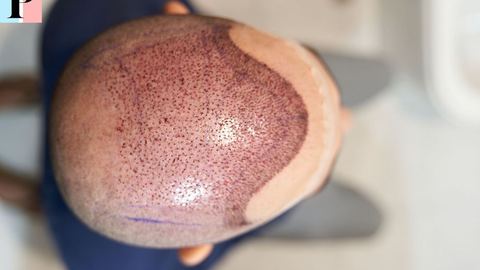
Scabs and itching: After hair implantation, your scalp may develop scabs and itching. It is important not to scratch or pull them, as this could lead to infection or graft loss. Your doctor will provide you with instructions on how to care for your scalp during this time.
Post-operative care
To promote rapid healing and minimize the risk of complications, here are some post-operative care tips:
- Follow your doctor's instructions regarding scalp cleansing and care. Use gentle products and avoid rubbing or scratching the treated area.
- Avoid strenuous physical activities, wearing helmets or any direct contact with the scalp for at least the first few days following the procedure.
- Avoid prolonged exposure to the sun and use sunscreen to protect your scalp from UV rays.
- Avoid drinking alcohol, smoking, or taking medications that may affect healing unless your doctor allows you to do so.
- Take your prescribed medications according to your doctor's instructions.
- Schedule regular follow-up appointments with your doctor to monitor your progress and address any concerns.
By following these recommended post-operative care and being alert to signs of potential complications, you can ensure rapid and effective healing after hair implantation. Don't hesitate to consult your doctor if you have any questions or concerns throughout your healing process.