Can we camouflage alopecia by using hair implants?
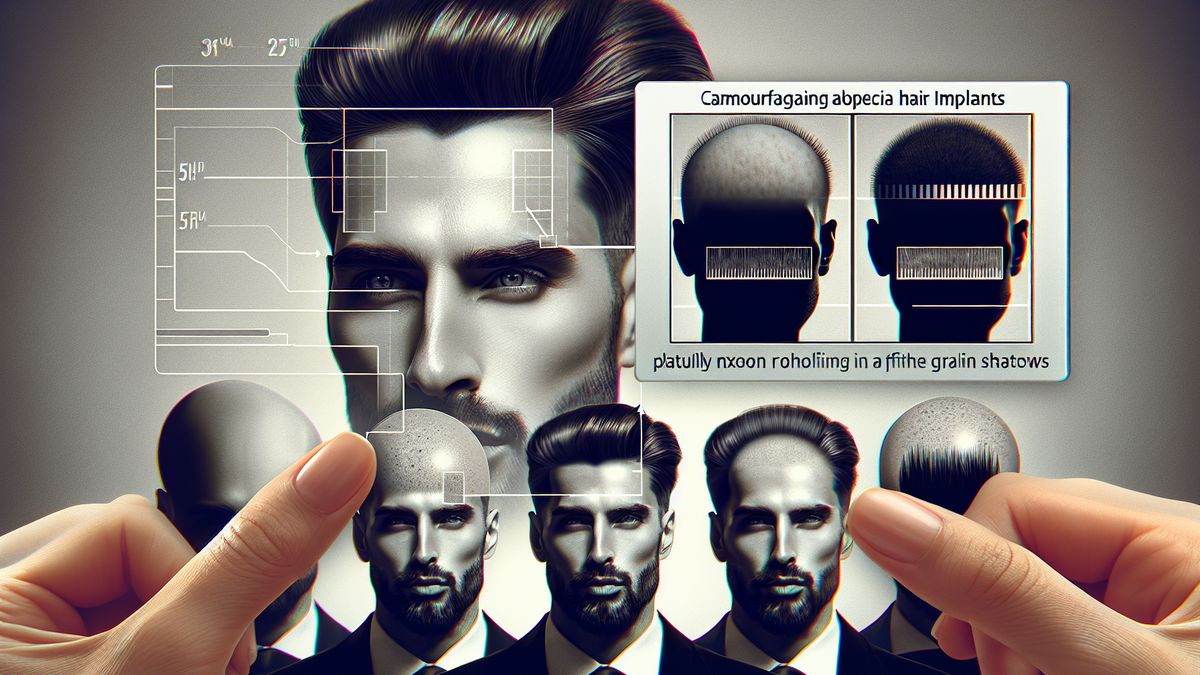
What is alopecia and how does it affect self-confidence?
Alopecia is a medical term used to refer to hair loss or baldness. It can be caused by various factors, such as hormonal disorders, autoimmune diseases, stress, certain medications or simply aging. Whatever the cause, alopecia can have a significant impact on self-confidence and self-esteem.
When we lose our hair, it can seem both aesthetically unpleasant and difficult to accept. Hair is often considered an essential part of our identity and appearance. They play an important role in our perception of ourselves and can be a symbol of youth, health and physical attractiveness. Hair loss can therefore lead to a drop in self-confidence.
People with alopecia may feel self-conscious, ashamed, and embarrassed about their physical appearance. They may feel less attractive or less confident. This can affect their social, professional and personal lives. Some people may even avoid social or professional activities that emphasize their appearance, for fear of judgment from others.
It is important to emphasize that alopecia does not only affect men. Women are also affected by this condition, although less frequently. Hair loss in women can be particularly traumatic due to the social norms and aesthetic pressures they face.
How to deal with alopecia and regain self-confidence?
It is completely normal to feel a loss of self-confidence due to alopecia, but there are ways to cope with this situation and regain positive self-esteem.
1. Acceptance: It is important to accept that hair loss is a part of us and does not affect our value as a person. Alopecia is not a sign of weakness or lack of beauty. It is simply a medical condition that can be treated or accepted, depending on one's preferences.
2. Social support: Talking about your feelings and concerns with friends, family, or a support group can be beneficial for your self-confidence. Support from others can help you overcome feelings of shame or embarrassment and feel understood and accepted.
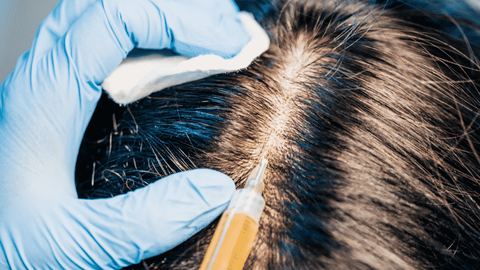
3. Look for solutions: There are several options for treating alopecia, such as medications, hair lotions, wigs or hair implants. Talk to a healthcare professional or dermatologist to find the solution best suited to your situation.
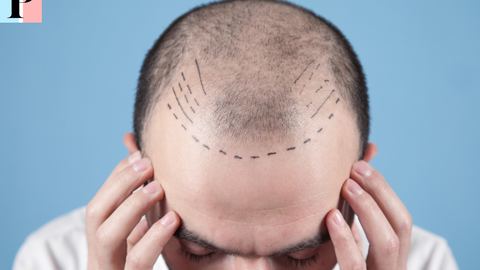
4. Camouflage techniques: Hair camouflage techniques, such as hair implants, may be an option for those who want to regain a natural hair appearance and increase their self-confidence. Hair implants involve taking hair from the donor area (usually the back of the head) and transplanting it into balding areas. This helps recreate a natural hairline and restore hair density.
| Benefits of hair implants | Disadvantages of hair implants |
|
|
It is important to note that every person is different and what works for one person may not work for another. It is therefore essential to consult a specialist to obtain personalized advice.
Finally, it's crucial to remember that self-confidence shouldn't be based entirely on physical appearance. It is important to focus on your inner qualities, talents and successes. True self-confidence comes from recognizing your worth as a whole person, beyond physical appearance.
What are hair implants and how do they work?
Hair implants are a permanent solution to treat hair loss, also known as alopecia. This surgical procedure involves taking hair follicles from a donor area, often located at the back of the head, and transplanting them into receding or bald areas. The objective is to restore hair growth in the affected areas, giving a natural and aesthetic appearance.
Stages of the hair implant process
The hair implant process includes several key steps:
- Initial consultation: During the first consultation, a hair surgery specialist will assess the condition of your hair and discuss your expectations. He will advise you on the best treatment options, taking into account your hair density, the quality of your donor hair and your aesthetic goals.
- Transplant planning: Once you have decided to undergo a hair transplant, the specialist will develop a personalized plan that will determine the donor area and the areas to be treated. This will depend on the severity of your hair loss and your lifestyle.
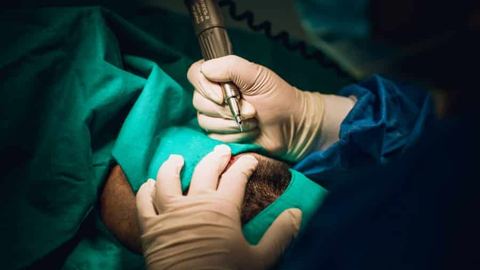
- Extraction of hair follicles: The next step is to extract the hair follicles from the donor area. The most commonly used method is the "strip extraction technique" (FUT), which involves cutting a thin strip of scalp containing hair follicles. However, the follicular unit extraction (FUE) method is gaining popularity. It consists of the individual extraction of hair follicles using a small motorized instrument.
- Preparation of hair follicles: Once the hair follicles are extracted, they are carefully prepared for transplantation. This includes sorting and preparing hair follicles based on their size, quality and density.
- Implantation of hair follicles: During this crucial stage, hair follicles are transplanted into the balding or balding areas using specialized instruments. The surgeon will take care to respect the natural angle, direction and density of the hair, in order to create an aesthetically satisfying and realistic result.
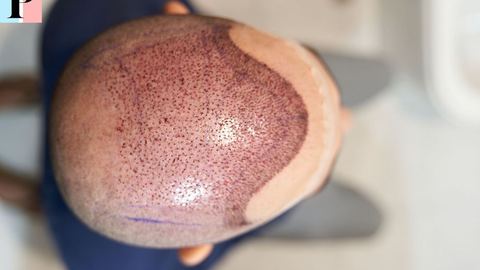
- Hair recovery and regrowth: After transplantation, the implanted hair follicles will go through a resting phase. After a few weeks, the new hair will start to grow back and the final results will be visible after several months.
Benefits and Considerations
Hair implants offer many advantages:
- Permanent results: Unlike other hair loss treatments, such as lotions or medications, hair implants offer a permanent solution.
- Natural appearance: Hair implants are designed to mimic natural hair growth, respecting the angle, direction and density of existing hair. This gives a natural and undetectable look.
- Newfound self-confidence: Hair loss can have a significant impact on self-confidence and self-esteem. Hair implants restore full hair and give you a more youthful appearance.
However, it is important to take into account a few considerations:
- Process duration: Hair implants require careful planning, surgery and a recovery period. You must therefore be prepared to invest time and patience.
- Cost : Hair implants are a financial investment. Costs vary depending on the severity of hair loss and the amount of hair follicles needed.
- Surgeon experience: To achieve optimal results, it is essential to choose a surgeon specializing in hair implants, with proven experience and good references.
In conclusion, hair implants are an effective option for treating permanent hair loss. This procedure helps restore full hair and regain self-confidence. However, it is important to fully understand the process, consult a specialist and take all aspects into consideration before deciding to undergo a hair transplant.
Advantages and disadvantages of hair implants to camouflage alopecia
Alopecia, also known as hair loss, can be a source of embarrassment and lack of self-confidence for many people. Fortunately, advances in medicine have allowed the development of techniques such as hair implants, which offer a permanent solution to camouflage alopecia. In this article, we will look at the pros and cons of hair implants.
The benefits of hair implants
- Natural results: One of the main advantages of hair implants is that they offer natural results. Implanted hair is usually taken from the person's donor area, which is often located at the back of the head. These hairs are then transplanted onto the bald areas, creating a natural and harmonious appearance.
- Permanence: Unlike other temporary solutions, hair implants offer a permanent solution. Once the transplantation is completed, the hair does not require any special maintenance and remains in place for the rest of the person's life.
- Self-confidence: Hair implants allow people with alopecia to regain self-confidence. By regaining a full head of hair, people can improve their self-esteem and body image, which can have a positive impact on their personal and professional lives.
- Wide applicability: Hair implants are suitable for most types of hair loss, whether partial or complete baldness. This means that many people can benefit from this procedure, regardless of their age, gender or hair type.
The disadvantages of hair implants
- Cost: Hair implants can represent a significant financial investment. The cost of the procedure varies depending on the amount of hair to be transplanted and the clinic chosen. It is therefore important to take into account the budget necessary for this intervention.
- Recovery time: After a hair transplant, it is common to experience discomfort, redness and swelling in the treated area. Most people require a recovery period of about a week, during which they should avoid strenuous physical activity.
- Possible reactions: Although hair implants are generally safe, there is a small risk of adverse reactions. This may include infections, excessive bleeding, or visible scarring. It is important to choose a reputable clinic and follow post-operative instructions to minimize these risks.
Hair implants offer many benefits to camouflage alopecia, such as natural results, permanent solution and increased self-confidence. However, it is important to weigh the potential downsides, such as cost and recovery time, before making a decision. If you are considering hair implants, consult a qualified healthcare professional who can guide you and answer your questions.
Other solutions available to camouflage alopecia
Alopecia, or hair loss, can be a cause of concern for many people. Fortunately, there are several solutions to camouflage this condition and regain a more confident appearance. In addition to hair implants, other options are available to help conceal alopecia. In this article, we will explore these alternative solutions.
Wigs and hairpieces
Wigs and hairpieces are a popular option for concealing alopecia. These hair accessories can be made from natural or synthetic hair. They come in a variety of colors, styles, and lengths, making it easy to find a solution that fits your personal preferences.
Wigs and hairpieces can be worn comfortably and easily adjusted to achieve the desired look. They provide complete hair loss coverage and can be worn temporarily or permanently, depending on your needs.
Hair extensions
Hair extensions are another solution to camouflage alopecia. They help add length and volume to existing hair, which can help conceal thinning or balding areas.
Hair extensions can be applied in a variety of ways, including bonding, weaving, or clip-ins. They are available in a variety of colors and textures, allowing you to create a natural and harmonious look.
Hair cosmetics
Hair cosmetics are a non-invasive option to camouflage alopecia. They include products such as hair fiber powders, root touch-up sprays and camouflage pencils. These products are designed to give the appearance of thicker hair and cover thinning areas.
Hair cosmetics are easy to use and can be applied directly to the scalp or affected areas. They provide instant coverage and can be used temporarily or daily in addition to other hair solutions.
Scalp tattoo
Scalp tattooing, also known as scalp micropigmentation, is an alopecia camouflage technique that uses pigments to create the appearance of hair follicles on the scalp.
This procedure involves injecting pigments into the scalp to create small dots that mimic hair follicles. This creates an optical illusion effect, giving the appearance of hair shaved or shorn to a very short length.
Scalp tattooing can be an effective option to camouflage balding areas and create a fuller, more even appearance. However, it is important to choose an experienced professional to achieve natural and long-lasting results.
When it comes to hiding alopecia, there are several alternative solutions besides hair implants. Wigs, hair extensions, hair cosmetics and scalp tattooing are all options to consider depending on your personal preferences and the degree of hair loss. Whether you choose a temporary or permanent solution, it is important to consult a qualified professional to achieve the best results and regain your self-confidence.