THE
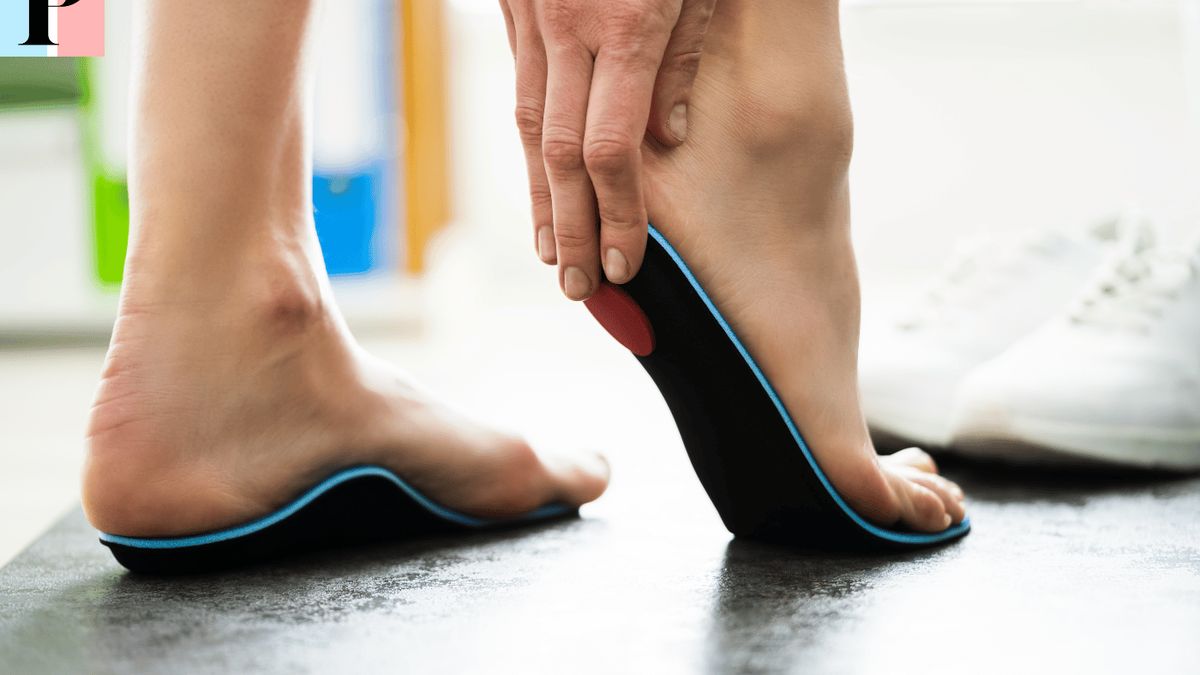
orthopedic insoles, also known as
foot orthotics, are custom devices that fit into your shoes to help correct, support and improve the functionality of your foot and overall posture.
They are generally prescribed by a podiatrist or orthopedist.
Advantages of orthopedic insoles:
Pain relief : Orthotic insoles can help relieve pain caused by various foot problems, including plantar fasciitis, arthritis, diabetic foot and other conditions.
Correction of imbalances : They can correct structural or functional imbalances of the foot, thus improving the biomechanics of the foot and leg.
Support and comfort : Orthopedic insoles provide additional support to the arch of the foot and increase comfort when walking or running, especially over long distances.
Prevention : They can prevent the development of certain foot conditions by improving pressure distribution, minimizing impact and providing additional support.
Disadvantages:
Fit and comfort : It can be difficult to get an orthotic insole that fits your foot and shoe perfectly. There may be an adjustment period during which the insoles may be uncomfortable.
Cost : Custom orthotic insoles can be expensive and are not always covered by insurance.
Dependence : Long-term use of orthotic insoles can potentially lead to dependence, in the sense that your feet may become accustomed to the support and may feel uncomfortable without them.
Non-curative : Although they can help relieve the symptoms of many foot conditions, they do not cure the underlying cause of the problem.
It is important to note that not everyone benefits. The decision to use orthotic insoles should be made in consultation with a qualified healthcare professional.
Here are some other things to consider about orthotic insoles:
Read also:
What is a health supplement?
Additional benefits:
Improved athletic performance : For athletes, orthotic insoles can help improve performance by increasing stride efficiency and minimizing the risk of injury.
Improved posture : Orthotic insoles can help correct broader postural issues, reducing pain and discomfort in the back, hips and knees, for example.
Injury prevention : By providing better support and correcting imbalances, they can also help prevent future injuries.
Read also:
Consume CBD: oil, e-liquid, infusion or CBD care product?
Additional disadvantages:
Adaptation time : The time it takes to get used to wearing orthotic insoles can be quite long, which can discourage some people.
Shoe Limitations : They may not be suitable for all types of shoes, especially high heels or very narrow shoes. This may limit your choice of shoes.
Interview : Orthopedic insoles require regular maintenance and should be replaced every few years, depending on frequency of use and material.
It is important to remember that each person is unique and the benefits and harms may vary depending on the specific condition, individual needs and lifestyle of each person.
A
podiatrist or another healthcare professional can help determine if orthotic insoles are a good option for you.
Read also:
Calm your period pain with the Organic Painful Period product from Naturactive
Frequently asked questions about orthotic insoles:
What is an orthopedic insole?
Orthopedic insoles are custom devices inserted into shoes to correct, support and improve foot functions and overall posture. They are generally prescribed by a health professional such as a podiatrist or orthopedist.
How can orthopedic insoles help relieve pain?
They can help relieve pain by correcting structural or functional imbalances in the foot. They help distribute pressure more evenly across the foot, minimize impact and provide additional support, which can reduce pain.
Are orthopedic insoles effective for treating plantar fasciitis?
Yes, they are often recommended in the treatment of plantar fasciitis. They provide support to the arch of the foot and can help reduce tension on the plantar fascia, which can relieve pain and inflammation.
How much do orthopedic insoles cost?
Their cost can vary greatly depending on factors such as the healthcare professional you see, the type of
orthopedic insole necessary and the fact that it is a custom sole or not.
Custom insoles generally cost more than pre-made versions, with prices that can range from a few dozen to several hundred euros.
Are orthopedic insoles reimbursed by health insurance?
Their coverage depends on your insurance policy. Certain insurances such as
social security CPAM Or
mutual health insurance can cover all or part of the cost of the devices, especially if prescribed by a doctor. It is advisable to check directly with your insurance company, your mutual or the
social security CPAM
How to get used to wearing them?
There may be an adaptation period when first using orthotic insoles. Start by wearing them for a few hours a day and gradually increase the duration of wear. If you experience persistent discomfort, consult the healthcare professional who prescribed them for you.
Can they improve athletic performance?
Orthopedic insoles can improve athletic performance by optimizing the biomechanics of the foot. They can help improve alignment, reduce the risk of injury and increase stride efficiency, which can improve overall performance.
How to maintain them?
Orthopedic insoles
should be cleaned regularly with a damp cloth and mild soap. Do not soak them in water and avoid exposing them to direct heat. Over time, they can wear out and will need to be replaced, usually every 1 to 2 years, depending on usage and material.
If you notice excessive wear or experience discomfort, it's time to have them evaluated by a healthcare professional to see if they need to be replaced.
Additionally, even if they appear to be in good condition, it is recommended to have them checked by a professional at least once a year to ensure they are still providing the proper support.