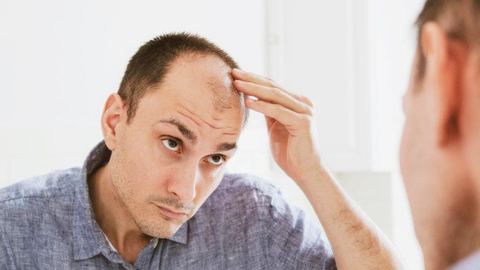
The sign of baldness: How to recognize it?
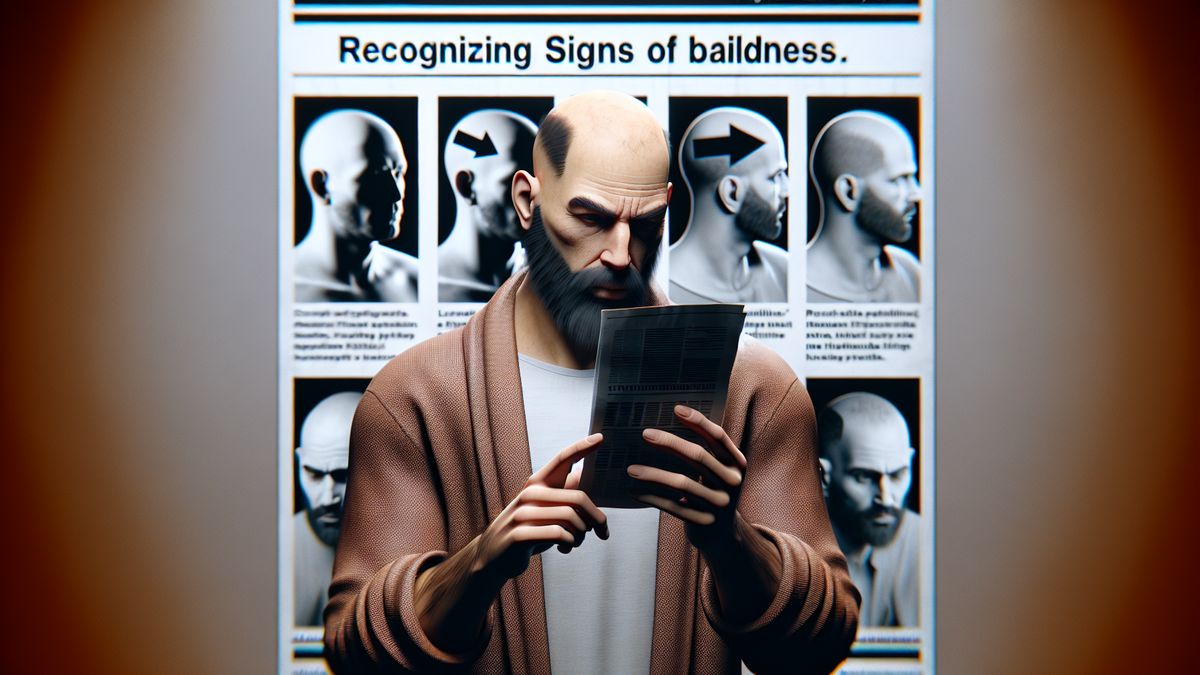
The different signs of baldness
Baldness is a hair problem that affects many people, both men and women. It can start as early as adolescence or appear later in life. It is important to recognize the signs of baldness so that you can treat it early. Here are the different signs to watch out for:
Thinning hair
One of the first signs of baldness is thinning hair. You may notice that your hair becomes thinner and less dense. They may also appear more fragile and break easily. You may find that your hair appears less voluminous and that it is more difficult to achieve the same style or hairstyle as before.
The bare gulfs
Balding hairlines are another common sign of baldness. This is the recession of the frontal hairline, forming bald areas on the sides of the forehead. Men are more likely to develop receding hairlines than women, but it can affect both sexes equally.
Hair loss
Excessive hair loss is a clear sign of baldness. You may notice that your hair falls out more easily and in greater amounts when brushing or washing. If you notice significant hair loss, it is important to consult a hair specialist to determine the cause and develop an appropriate treatment plan.
Decrease in hair density
Another sign of baldness is decreased hair density. You may notice that you have fewer hairs on your scalp, creating thinning areas. This can make your scalp more visible and give the appearance of lighter, less dense hair.
Bald areas
Bald spots are the ultimate consequence of baldness. These are areas where the hair has completely disappeared, leaving the scalp bare. These bald spots can grow gradually over time and can become increasingly larger if left untreated.
If you notice any of these signs of baldness, it is essential to consult a hair specialist as soon as possible. There are several treatment options available, such as medications, lotions, hair transplants, etc. Early treatment can often slow the progression of baldness and help preserve fuller hair.
In conclusion, it is important to be alert to the signs of baldness so that you can treat it in time. Thinning hair, receding hairlines, hair loss, decreased hair density and bald patches are the main signs to look out for. Do not hesitate to consult a hair specialist to obtain a precise diagnosis and solutions adapted to your situation.
Risk factors
Baldness, also known as alopecia, is a common hair problem that can affect both men and women. Although it is often considered a hereditary condition, there are also several risk factors that can contribute to the development of baldness. In this article, we will review these risk factors to better understand their implications.
Genetic risk factor
The main cause of baldness is often linked to genetic factors. If you have close family members who have suffered from baldness, you are more likely to suffer from it as well. Inherited genes can influence how your hair follicles respond to certain hormones, which can lead to excessive hair loss.
Hormonal factor
Hormones play an important role in the health of your hair. Hormonal fluctuations such as those that occur during pregnancy, menopause or due to thyroid problems can increase the risk of baldness. Male sex hormones, called androgens, can also impact hair health in both men and women. In particular, the hormone dihydrotestosterone (DHT) can attack hair follicles, making them weaker and more prone to hair loss.
Age factor
Aging is a common risk factor for baldness. As we age, our hair follicles can deteriorate, leading to progressive hair loss. Age-related baldness is more common in men, but can also affect women.
Stress factor
Stress can have a big impact on the health of our hair. Stressful events such as the death of a loved one, illness, or trauma can trigger a form of hair loss called alopecia areata. This condition causes clumps of hair to suddenly fall out and can potentially lead to baldness.
Lifestyle factor
Unhealthy lifestyle habits can also increase the risk of baldness. Poor diet, deficiency of essential nutrients such as vitamins and minerals, smoking and excessive use of alcohol can all contribute to hair problems, including hair loss.
Medical factor
Certain underlying health conditions can also increase the risk of baldness. Conditions such as anemia, autoimmune disorders, and scalp infections can all cause hair loss. It is important to see a healthcare professional if you notice excessive hair loss in order to diagnose and treat any underlying medical conditions.
In conclusion, baldness can be caused by a combination of genetic, hormonal, age-related factors, stress, lifestyle and underlying health conditions. It is important to understand these risk factors in order to take appropriate steps to prevent and treat baldness.
How to recognize and manage baldness
Baldness is a common hair problem that affects many people, both men and women, at different stages of their lives. It is important to recognize the early signs of baldness in order to take the necessary steps to manage it effectively. In this article, we will explain how to recognize baldness and share practical tips for managing it.
Signs of baldness
1. Excessive hair loss: Progressively greater hair loss is often the first sign of baldness. This can show up as more hair being left on your pillow, in your hairbrush, or in the sink after shampooing.
2. Thinning hair: Hair that becomes increasingly thin and brittle can be an indicator of baldness. You may notice that your hair seems less dense or that it no longer appears as thick as before.
3. Receding Hairline: A gradual receding hairline can be a sign of male pattern baldness. It is usually noticed at the temples or forehead, where the hair gradually thins and recedes.
4. Thinning Areas: Some people may notice thinning areas on their scalp, where the hair is lighter and less dense. These areas may gradually become larger over time.
Different Types of Baldness
Baldness can come in different forms. Here are the most common ones:
1. Androgenetic Alopecia: This form of baldness is also known as pattern baldness. It is the result of a genetic predisposition and is more common in men than women. Androgenetic alopecia is characterized by progressive hair loss and can begin as early as adolescence.
2. Alopecia areata: This form of baldness is characterized by hair loss in circular patches on the scalp or other parts of the body. It can be partial or complete hair loss, and can sometimes be accompanied by itching or irritation.
3. Scarring alopecia: This form of baldness is caused by damage to the scalp that results in scarring. Hair cannot grow back from the scarred areas, resulting in permanent hair loss.
Managing baldness
There are different options for managing baldness, depending on the cause and how far it has progressed. Here are some common options:
1. Medications: Certain medications, such as minoxidil and finasteride, can help slow hair loss and promote regrowth. These medications must be prescribed by a healthcare professional.
2. Hair Transplant: For more advanced cases of baldness, a hair transplant may be an option to consider. This involves transplanting healthy hair follicles from a donor area to the balding areas.
3. Wigs and Hair Extensions: For those with more severe hair loss, wigs or hair extensions may be a temporary solution to regaining a full head of hair.
4. Hair Care and Supplements: A balanced diet and proper hair care can help maintain the health and vitality of your hair. Some specially formulated supplements may also support hair growth.
Baldness is a common problem that can affect your self-confidence and overall well-being. It is important to recognize the early signs of baldness and take prompt action to take care of it. Whether you choose medical options, hair treatments, or temporary solutions, there are many ways to manage baldness and regain your beautiful hair. Consult a healthcare professional for personalized advice on managing your baldness.