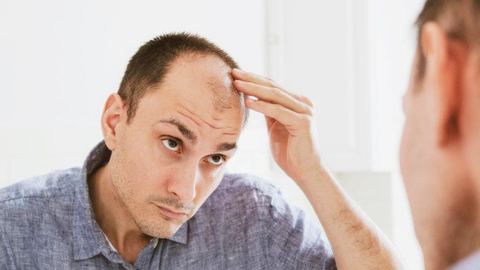
How to identify and manage the beginnings of baldness?
Understanding the warning signs of baldness
Baldness, also known as alopecia, is a hair problem that affects many people, both men and women. It can be the result of various factors such as heredity, age, health conditions or hormonal changes. When it occurs, baldness can have a significant impact on self-esteem and self-confidence. This is why it is important to recognize the warning signs of baldness, so that you can take preventive measures or seek suitable solutions. In this article, we will give you an overview of the warning signs of baldness and what steps you can take to prevent or manage this hair problem.
Thinning hair
One of the first warning signs of baldness is thinning hair. You may notice that your hair becomes less dense, your scalp is more visible, or your hair breaks easily. If you notice a reduction in hair mass, it is important to consult a dermatologist or trichologist for an accurate diagnosis and recommendations tailored to your case.
Excessive hair loss
Excessive hair loss can also be a warning sign of baldness. If you notice that your hair is falling out in greater quantities when brushing, washing, or simply when touched, this may indicate an underlying baldness problem. It is important to differentiate between normal hair loss and excessive hair loss, which can be an early symptom of baldness.
The formation of bare areas
Another indication of baldness is the formation of bald patches on the scalp. These hairless areas may appear gradually or suddenly, and may be most visible on the forehead, temples, crown of the head, or other parts of the scalp. If you notice balding areas, it is important to consult a specialist for an accurate diagnosis and to discuss available treatment options.
Changes in hair texture
Changes in hair texture can also be warning signs of baldness. For example, you may notice that your hair is becoming thinner, drier, more brittle, or losing its natural shine. These changes can be gradual or sudden, and may indicate an ongoing baldness problem.
Itchy and irritated scalp
If you experience itchy or irritated scalp, this may also be a warning sign of baldness. Itching and irritation can be caused by inflammation of the scalp due to the presence of damaged hair follicles. If you experience these symptoms, it is important to consult a specialist for an accurate diagnosis and to discuss appropriate treatment options.
Recognizing the warning signs of baldness is essential to being able to take preventive measures or to seek solutions adapted to your situation. If you notice signs such as thinning hair, excessive shedding, bald patches, changes in hair texture, itchy or irritated scalp, it is important to consult a hair health professional to obtain an accurate diagnosis and appropriate advice. Remember that each case of baldness is unique, so it is essential to find the best solution for you.
The causes of baldness and how to prevent them
Baldness, also known as alopecia, is a common problem that affects many men and women across the world. This hair loss can have a significant impact on self-confidence and physical appearance. It is therefore essential to understand the underlying causes of baldness and look for ways to prevent it. In this article, we will look at the main causes of baldness and share some tips for preventing it.
Hereditary factors
Family history plays a major role in baldness, especially in men. Male pattern baldness, known as androgenetic alopecia, is often inherited on both sides of the family. If you have family members who are bald, you are more likely to develop baldness. Unfortunately, it is difficult to prevent genetically induced baldness. However, there are treatments available that can slow or stop the progression of baldness.
Hormonal imbalance
Hormonal imbalance can also contribute to baldness. Sex hormones, such as testosterone, play an important role in hair growth and loss. In men, excess testosterone can be converted to dihydrotestosterone (DHT), which attacks hair follicles and leads to hair loss. In women, hormonal imbalances related to menopause, pregnancy, or other medical conditions can also cause baldness. To prevent baldness due to hormonal imbalance, it is important to consult a doctor for an accurate diagnosis and appropriate treatment.
Poor diet and nutritional deficiencies
An unbalanced, nutrient-poor diet can also contribute to baldness. Deficiencies of essential vitamins and minerals such as iron, zinc, vitamins A, B, C and E can weaken hair and lead to premature hair loss. It is therefore important to adopt a balanced and nutritious diet to maintain healthy hair. Regularly consuming foods rich in these nutrients, such as green vegetables, fruits, legumes, nuts and oily fish, can help prevent baldness.
Stress and environmental factors
Chronic stress can also contribute to baldness. Stress causes an increase in stress hormones in the body, which can disrupt the hair growth cycle and lead to premature hair loss. Additionally, exposure to environmental factors such as pollution, harsh chemicals, sun, and excessive heat can damage hair follicles and lead to baldness. To prevent baldness linked to stress and environmental factors, it is important to manage stress effectively, protect hair from environmental damage and follow a suitable hair care routine.
Baldness can be caused by several factors, including genetic predispositions, hormonal imbalances, nutritional deficiencies, stress and environmental factors. Although it is not always possible to completely prevent baldness, there are steps you can take to slow the progression and maintain hair health. It is important to consult a healthcare professional for an accurate diagnosis and recommendations on appropriate treatments. By eating a balanced diet, managing stress and taking care of our hair, we can help maintain healthy hair and prevent baldness to some extent.
Methods for diagnosing baldness
Baldness, also known as hair loss or alopecia, can be a frustrating and disconcerting problem for many men and women. There are several diagnostic methods that doctors use to determine the cause of baldness and develop an appropriate treatment plan. Here is an overview of the main methods used:
1. Visual examination and medical history
During the initial consultation, the doctor will perform a thorough visual examination of the scalp and hair. He will look for signs of baldness, such as areas of thinning hair, brittle or weak hair, itching or redness. The doctor will also take a complete medical history, focusing on family history of baldness, underlying illnesses, medications taken, and hair care habits.
2. Hair pull test
A hair pull test may be performed to assess hair fragility. The doctor will gently grab a small handful of hair and use gentle traction to see how much hair comes loose. If an excessive number of hairs are shedding, it may be a sign of excessive hair loss.
3. Blood tests
When an underlying cause of baldness is suspected, blood tests may be ordered to look for hormonal imbalances, nutritional deficiencies or other health problems that could be contributing to hair loss. Blood tests may include measurements of iron, zinc, vitamins, thyroid hormones, sex hormones, etc.
4. Scalp biopsy
In some cases, a scalp biopsy may be necessary to determine the exact cause of the baldness. A small section of the scalp is removed and examined under a microscope to look for abnormalities or infections.
5. Pull test tests
The pull test involves gently pulling on the hair to assess its health. If the hair sheds easily or is brittle, this may indicate excessive hair loss.
6. Medical imaging
In some cases, medical imaging tests, such as computed tomography (CT) or magnetic resonance imaging (MRI), may be used to evaluate the scalp and hair follicles in depth. This can be helpful in diagnosing more complex disorders or ruling out other medical conditions.
It is important to note that diagnosing baldness can be a complex process and sometimes multiple diagnostic methods must be used to obtain an accurate diagnosis. It is recommended to consult a health professional specializing in dermatology or trichology to establish a diagnosis and treatment plan adapted to your situation.
Managing baldness: treatment options and practical tips
Baldness, or alopecia, is a common problem that affects many men and women at some point in their lives. It can have different impacts on physical and mental health, so it is important to know how to manage it. In this article, we will look at the treatment options available and provide you with practical tips for dealing with baldness.
Treatment Options for Baldness
There are several treatment options for managing baldness, depending on the underlying cause and severity of the hair loss. Here are some of the most commonly used solutions:
1. Drug treatments
Medications such as minoxidil and finasteride are commonly used to treat baldness. Minoxidil is a topical vasodilator that increases blood circulation to the scalp and promotes hair regrowth. Finasteride is an oral medication that blocks the production of dihydrotestosterone (DHT), a hormone linked to baldness. It is important to note that these medications require long-term use to maintain results.
2. Hair transplant
Hair transplantation is another popular treatment option for advanced baldness. This procedure involves taking healthy hair follicles from a donor area and transplanting them into balding areas. Hair transplantation can provide natural and long-lasting results, but it can be expensive and require several sessions to achieve a satisfactory result.
3. Laser treatments
Laser treatments, such as low-level laser therapy (LLLT) or platelet-rich plasma (PRP) therapy, can help stimulate hair growth. These procedures use specific technologies to target hair follicles and promote hair regrowth. However, their effectiveness may vary from person to person, and regular sessions are often necessary.
Practical tips for dealing with baldness
In addition to treatment options, there are also practical tips to help deal with baldness on a daily basis. Here are some recommendations:
1. Eat a balanced diet
A balanced, nutrient-rich diet can help maintain healthy hair. Make sure you're getting enough vitamins (including biotin and vitamin D), minerals (like zinc and iron), and protein to promote hair growth. Foods such as fruits, vegetables, whole grains, eggs and fish rich in omega-3 fatty acids are particularly beneficial for hair health.
2. Take care of your scalp
A healthy scalp promotes optimal hair growth. Make sure to keep your scalp clean by using a mild shampoo suitable for your hair type. Also avoid using harsh hair products or styling your hair excessively, as this can damage hair follicles and worsen baldness.
3. Manage your stress
Stress can have a negative impact on the health of your hair. Try to find ways to manage stress, such as practicing relaxation techniques, meditating, exercising regularly, or participating in activities you enjoy. Proper stress management can help prevent further hair loss.
4. Consult a healthcare professional
If you are suffering from baldness, it is recommended that you consult a healthcare professional, such as a dermatologist or trichologist, for an accurate diagnosis and treatment recommendations tailored to your specific situation. They will be able to assess the underlying cause of your hair loss and provide you with the best treatment options.
In conclusion, managing baldness requires a holistic approach, combining effective treatment options and practical advice. It's important to know that there is no one-size-fits-all solution for baldness, and results may vary from person to person. With a good understanding of your options and the right approach, you can minimize the impact of baldness on your life and regain your confidence.