How to effectively combat baldness?

Causes of baldness
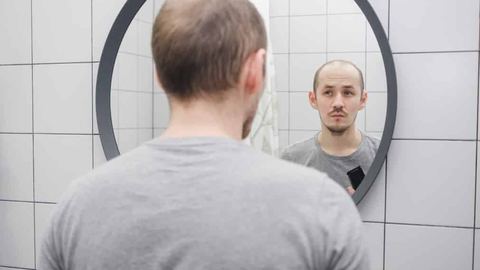
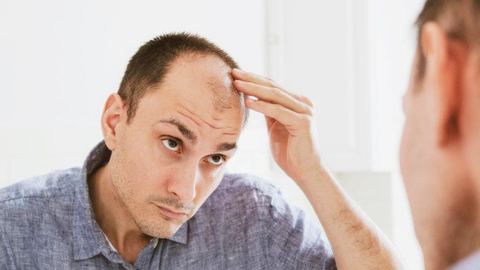
Baldness, also known as alopecia, is a common problem that affects many people, both men and women, across the world. This condition can be very frustrating and have a significant impact on self-confidence and self-esteem. Understanding the causes of baldness is essential to finding effective solutions. Here are some of the main causes of baldness.
Genetic predisposition
The most common cause of baldness is genetic predisposition. So-called “androgenetic” baldness is inherited on both sides of the family and is often called “hereditary alopecia”. This form of baldness is more common in men, but can also affect women. It is caused by increased sensitivity of hair follicles to a hormone called dihydrotestosterone (DHT), which leads to gradual thinning of hair and loss.
Hormonal imbalance
Hormonal changes can also play a big role in hair loss. In women, baldness can be caused by hormonal fluctuations related to pregnancy, menopause, or certain medical conditions such as polycystic ovarian syndrome (PCOS). In men, high DHT levels can also be caused by hormonal fluctuations.
Poor diet
A poor diet can also contribute to baldness. A deficiency in certain essential nutrients such as vitamins B, C, D and E, as well as minerals such as zinc, iron and magnesium, can weaken hair follicles and lead to hair loss. It is essential to have a balanced diet rich in these nutrients to maintain strong and healthy hair.
Stress
Stress can be a contributing factor to baldness. Chronic stress can disrupt the natural hair growth cycle and lead to excessive hair loss. It is important to find effective ways to manage stress, such as regular exercise, yoga, meditation or relaxation techniques.
Diseases and medical conditions
Certain illnesses and medical conditions can also cause hair loss. Conditions such as lupus, hypothyroidism, diabetes, and autoimmune disorders can affect hair health and lead to hair loss. It is important to see a doctor if you notice excessive hair loss to find out the underlying cause.
Using harsh hair products
Using harsh hair products such as chemical hair dyes, heat styling products, and chemical treatments can also contribute to hair loss. These products can damage hair follicles and lead to hair loss. It is best to use natural and gentle hair products to maintain hair health.
It is important to remember that baldness can be caused by a combination of factors. It is essential to consult a doctor or hair specialist to determine the exact cause of baldness and develop a suitable treatment plan.
Prevention methods
Hair loss is a common problem that affects many people, both men and women. Fortunately, today there are effective prevention methods to combat this phenomenon. In this article, we will discuss the different techniques and tips to prevent hair loss and maintain healthy, voluminous hair.
Adopt a balanced diet
A balanced diet plays a crucial role in the health of our hair. Certain nutrients, such as vitamins B, C, D and E, zinc, iron and omega-3 fatty acids, are particularly important for promoting hair growth. So be sure to include foods rich in these nutrients in your diet, such as fruits and vegetables, oily fish, eggs and legumes.
Furthermore, it is essential to drink enough water to maintain optimal hydration of the hair and scalp. Also avoid drastic diets which can lead to nutritional deficiencies and weaken your hair.
Take proper care of your hair
Improper use of hair products and inappropriate actions can damage the structure of the hair and contribute to hair loss. Here are some tips to prevent damage:
- Avoid harsh hair products containing sulfates and silicones. Choose gentle, natural shampoos and conditioners, suited to your hair type.
- Limit the use of heating appliances such as hair dryers, straighteners or curling irons. If you need to, always use heat protection to minimize damage.
- Avoid rubbing your hair vigorously with a towel after washing it. Instead, dab them gently to absorb excess water.
- Avoid hairstyles that are too tight which can pull on the hair and weaken it. Opt for softer hairstyles and avoid tight ponytails and buns.
Manage stress and adopt a healthy lifestyle
Stress is often an aggravating factor in hair loss. To prevent this phenomenon, it is important to find stress management techniques that suit you, such as meditation, yoga, or regular physical activity. Restful sleep is also essential to maintain proper hormonal balance and promote hair growth.
Additionally, avoid bad habits that can harm the health of your hair, such as smoking and excessive alcohol consumption. Instead, opt for a healthy lifestyle, with a balanced diet, regular physical activity and an exemplary lifestyle.
Consult a specialist if necessary
If you notice abnormal hair loss or if you are concerned about the condition of your hair, do not hesitate to consult a specialist. A dermatologist or trichologist will be able to assess the situation and offer you solutions adapted to your case, such as drug treatments, food supplements or even hair transplant techniques.
In conclusion, by adopting a balanced diet, taking appropriate care of your hair, managing stress and adopting a healthy lifestyle, you can effectively prevent hair loss and maintain healthy, dense hair. Do not hesitate to consult a specialist if you have any specific concerns or questions. Take care of your hair, it deserves it!
Medical treatments
Hair loss can be a frustrating and embarrassing problem for many people. Fortunately, today there are several medical treatments that can help prevent baldness and even promote hair regrowth. Here is an overview of the most popular treatment options:
1. Hair Loss Medications
Medications are often the first line of defense in treating hair loss. There are two medications approved by the FDA (Food and Drug Administration) to treat baldness:
- Finasteride (Propecia): This medication is an inhibitor of 5-alpha-reductase, an enzyme that converts testosterone into dihydrotestosterone (DHT), a hormone that contributes to male pattern baldness. Finasteride helps block this conversion, which can slow hair loss and promote regrowth.
- Minoxidil (Rogaine): Minoxidil is a topical medication that can be applied directly to the scalp. It works by increasing blood flow to hair follicles, which may promote hair growth and delay hair loss.
These medications can be effective, but they require continued use to maintain results. Potential side effects should also be considered, so it is important to consult a doctor before starting any medical treatment.
2. Hair transplant
Hair transplantation is a more invasive but often more permanent option for treating hair loss. This surgical procedure involves taking hair follicles from a donor area (usually the back of the neck or sides of the head) and implanting them into balding areas.
There are several hair transplant techniques, including:
- FUT (Follicular Unit Transplantation): This technique involves taking a strip of skin containing hair follicles from the donor area, then individually implanting the follicles into the bald areas
- FUE (Follicular Unit Extraction): With this technique, hair follicles are removed one by one using a specialized instrument and then implanted into areas of baldness.
Hair transplantation can be an expensive option, but it can provide natural, long-lasting results. However, it is important to choose an experienced surgeon and understand the risks and expectations associated with the procedure.
3. Laser and light therapy
Light and laser therapy is another medical treatment option for hair loss. This technique uses laser or LED diode-based devices to stimulate hair follicles and promote hair growth.
Light therapy can be performed in a clinic or at home using portable devices. It is often used in addition to other medical treatments to improve results.
4. Hormonal treatments
In some cases, hair loss can be caused by hormonal imbalances. In these situations, specific hormonal treatments may be recommended to treat baldness.
For example, women suffering from hair loss linked to high androgen levels may benefit from treatments such as oral contraceptives or antiandrogens.
It is important to consult a medical specialist to determine the underlying cause of hair loss and develop an appropriate treatment plan.
If you are dealing with hair loss, it is reassuring to know that there are several medical treatment options available today. From medications to hair transplants to light therapy, it's important to speak with a healthcare professional to determine which treatment option is best for your needs.
Remember that everyone is different and results may vary. Be patient and persistent in your quest to regain healthy, abundant hair.
Aesthetic solutions
Aesthetic solutions to improve your appearance
Nowadays, there are many aesthetic solutions to improve your appearance and feel better about yourself. Whether you want to camouflage a flaw or simply highlight certain features, there is sure to be an option suited to your needs. In this article, we will review some of the most popular aesthetic solutions.
1. Cosmetic surgery
Cosmetic surgery is a commonly used solution to change the appearance of the body or face. It can be used to correct imperfections or improve overall aesthetics. Some of the most common procedures include rhinoplasty, liposuction, blepharoplasty and breast augmentation. It is important to note that cosmetic surgery carries risks and prior consultation with a qualified surgeon is essential.
2. Aesthetic injections
Cosmetic injections are a popular non-surgical alternative to reduce signs of aging or to enhance certain facial features. Botox injections, for example, can reduce the appearance of fine lines and wrinkles. Filler injections, on the other hand, can add volume to the lips or cheeks. These procedures are generally quick, minimally invasive and offer immediate results, which explains their growing popularity.
3. Hair treatments
Hair loss is a common problem among both men and women, and can be stressful for some people. Fortunately, today there are many hair treatments to combat baldness and promote hair regrowth. Among these treatments, we find lotions and tablets against hair loss, hair transplants or even microneedles which stimulate blood circulation in the scalp. It is important to consult a specialist before choosing the treatment best suited to your situation.
4. Permanent makeup
Permanent makeup is a lasting aesthetic solution for those who want to save time on a daily basis. This technique involves implanting pigments under the skin to enhance certain facial features, such as eyebrows, lips or eye contours. With this solution, you will no longer need to apply your makeup every day, which can save you a lot of time.
5. Skin and body care
Finally, skin and body care are essential to maintaining an aesthetic appearance. A good skincare routine, including cleansing, exfoliation and moisturizing, can improve the radiance and texture of your skin. Additionally, specific treatments, such as chemical peels or pulsed light treatments, can help reduce skin problems such as acne or age spots. Also, don't neglect the importance of a balanced diet and physical exercise to take care of your body overall.
In conclusion, there are many aesthetic solutions to improve your appearance. Whether you opt for cosmetic surgery, injections, hair treatments, permanent makeup or simply skin and body care, it is important to choose an option that suits your needs and consult a qualified professional to get the best possible results.