The Academy of Medicine warns of the proliferation of rats
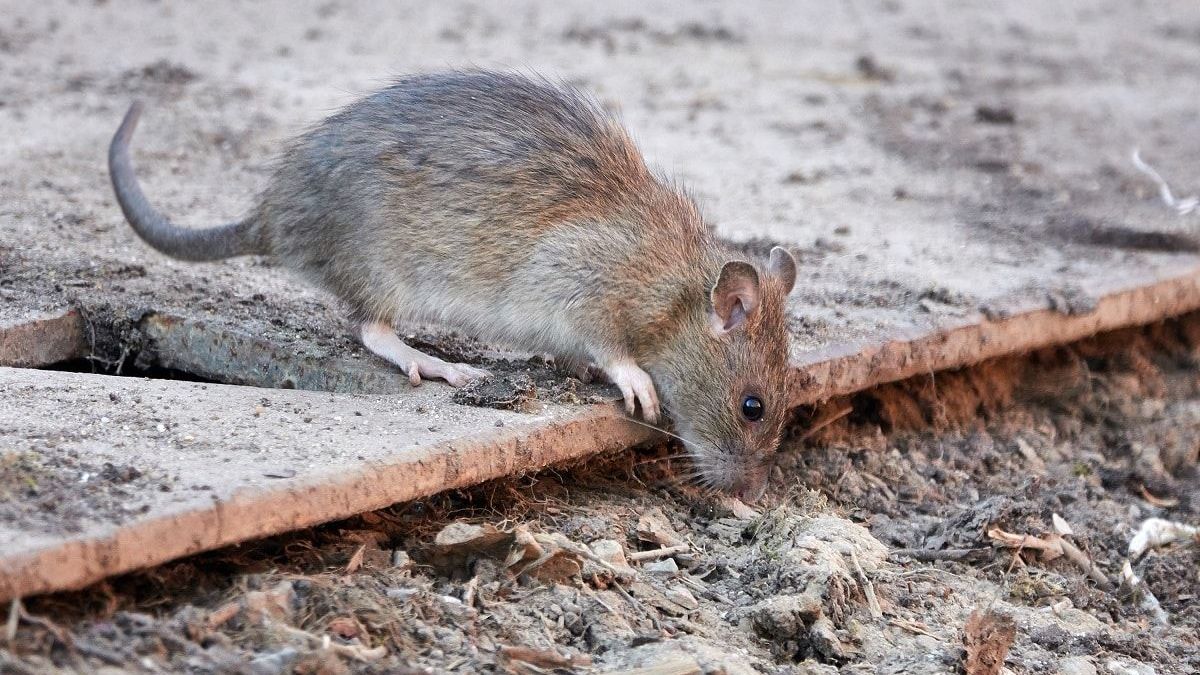
If you walk the streets of major French cities, you have probably already come across sewer rats. Indeed, these rodents, also called brown rats or Norway rats, easily find the means to proliferate in large cities.
In a press release dated July 15, 2022, theAcademy of Medicine believes that the proliferation of rats in cities is worrying and sounds the alarm on the risks of bacterial, viral and parasitic diseases incurred by the inhabitants of affected cities.
Read also: Bedbugs: the exponential evolution of bedbug bites in France
A health problem
This press release follows the comments of Douchka Markovic, Paris councilor and co-president of the Animalist Party, who affirmed that rats were "necessary for sewer management" and that they were "auxiliaries in waste control" in cities. She suggested calling them brown rats "to avoid stigmatizing them" and to stop killing them in the name of animal welfare. Whether we call them rats, brown rats or brown rats, theAcademy of Medicine recalls that its proliferation must be combated. It remains a threat to the health of city dwellers "because of the many zoonoses transmitted by its exoparasites, its droppings, its bites or its scratches" explain the scientists. Indeed, the sewer rat is proliferating in a worrying way in large cities, particularly in the capital. It is the most harmful rodent species for humans because of its great adaptability, its dietary requirements, its ability to reproduce very quickly and, above all, the bacterial, viral and parasitic diseases that it can spread. According to theAcademy, there would be between 1.5 and 1.75 rats per inhabitant in Paris and Marseille, the two French cities most affected, which ranks them among the 10 most infested cities in the world. With this ratio, rodents, normally living at night, now come out in broad daylight in the streets, parks and gardens, and more generally in all places where they find food and hydration (gutters, trash cans, picnic areas, markets, homes, etc.). L'Academy of Medicine therefore recommends that town halls quickly take public health measures. Read also: The different methods to get rid of bedbugs yourselfCall for a rigorous health plan
The Academy of Medicine asks town halls to act quickly by establishing “a rigorous and sustainable urban cleanliness plan” in order to eliminate food waste accessible to rodents. Roads, parks and gardens must be cleaned more and household waste collected even more frequently. To complete, campaigns of rat treatment must be undertaken, at the instigation of town halls, with co-ownership trustees and real estate landlords. Alongside these measures, the Academy recommends carrying out regular captures of sewer rats in order to monitor the carriage of pathogens and detect possible emerging diseases. Finally, scientists propose establishing information campaigns on communicable diseases, particularly for owners of NAC (new pets). Read also: Participating in a survival course: is it necessary?Carriers of bacterial, viral and parasitic diseases
It is essential to remember that the rat remains a threat to the health of populations due to the numerous diseases transmitted by its droppings, its bites, its scratches or by the parasites it carries. L'Academy of Medicine reminds us that bubonic plague, murine typhus and bartonellosis are transmitted by rat fleas. Rodent urine can also contaminate the environment and cause leptospirosis, a dreaded disease which can lead to kidney failure in humans, or even death in 5 to 20% of cases. THE droppings rat can also contaminate our food with salmonella and its bite, via a bacteria present in its saliva, can cause fatal septicemia in the absence of early antibiotic therapy. The rat also hosts many other bacteria that are pathogenic for humans and thus represents an important vector of bacteria resistant to human antibiotics. Finally, several other viral diseases are attributable to rats such as hemorrhagic fever with renal syndrome,hepatitis E and lymphocytic choriomeningitis. Rats can also be healthy carriers ofOrthopoxvirus. In France, they are also involved in certain parasitic and mycotic diseases. (trichinellosis, toxoplasmosis, capillariasis, cryptosporidiosis, ringworm). The list is not exhaustive. The mayors of the cities concerned must now act quickly before it is too late. Read also: Electronic cigarette: how to choose the right nicotine level?Articles similaires


Education