
Shrinkage-swelling of clay soils RGA: The risks of drought on real estate are increasing
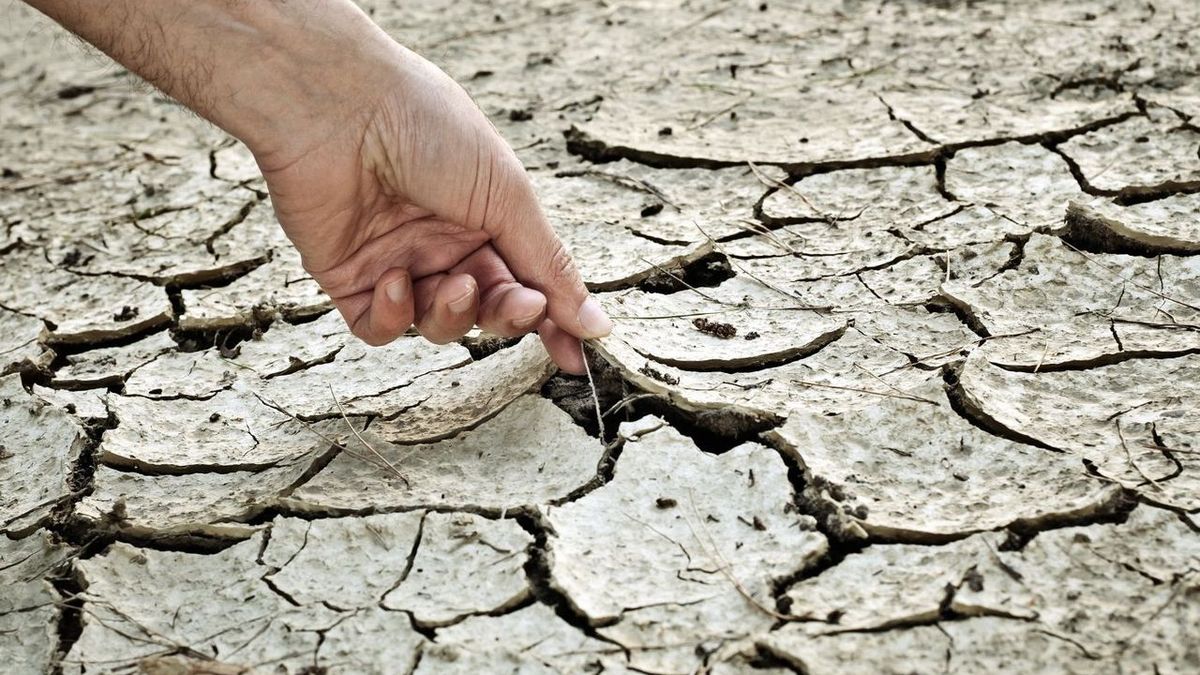
Drought is a climatic phenomenon characterized by a prolonged deficit of precipitation, leading to a reduction in the level of groundwater, rivers and water reservoirs. Drought can have adverse consequences on the environment, agriculture, health and the economy.
Drought can also affect real estate, especially those built on clay soils. In fact, these floors have the particularity of expanding when they are wet and contracting when they are dry.
This phenomenon, called shrinkage-swelling of clay soils (RGA), can cause deformations, cracks or sagging of the foundations, walls or paving of houses.
According to the Cerema, THE RGA is responsible for 20% of claims declared under the ten-year guarantee and 40% of natural disaster orders issued in France between 1989 and 2019.
To prevent or repair damage caused by drought to real estate, there are several solutions, such as:
• choose land adapted to the nature of the soil and the regulations in force; • carry out a geotechnical study before construction to determine the appropriate type of foundation; • respect the rules of the art and technical standards during the design and construction of the building; • regularly monitor the condition of the building and report any anomalies; • water the soil around the building in the event of prolonged drought to limit soil shrinkage; • reinforce or stabilize the foundations in the event of significant cracks or ground movements; • take out structural damage insurance and natural disaster guarantee to be compensated in the event of a disaster.How do I know if my property is built on clay soil?
For find out if your property is built on clay soil, you can consult the map of areas exposed to the phenomenon of shrinkage-swelling of clay soils, available on the Georisks portal. This map allows you to know the level of exposure of your plot to the risk of differential ground movement following the RGA drought and the rehydration of clay soils. There are four exposure levels: very high, high, medium and low.You can access the map by following these steps:
• Use the Data entry in the main menu • Then Interactive map • The map is displayed • On the right panel click on Show additional layers • The layer catalog is displayed • Check the checkbox in front of Clays • The map is displayed. You can also generate a risk report on your plot using the ERRIAL tool, which provides this information in its appendix. If you notice that your real estate is located in an area with high or very high exposure, it is recommended to take preventive measures to limit the effects of shrinkage-swelling of clay soils, such as watering the ground around the building in case of prolonged drought or reinforcing the foundations in case of significant cracks. You can also take out construction damage insurance and one natural disaster guarantee to be compensated in the event of a disaster.What to do in the event of a disaster caused by drought?
In the event of a disaster caused by drought, you must follow the following steps: • Report the loss to your insurer within 10 days following the publication of the interministerial decree recognizing the state of natural disaster for your municipality in the Official Journal. You can send a registered letter with acknowledgment of receipt, attaching photos of the damage and an estimate of the losses suffered. • Wait for the visit of the expert appointed by your insurer to observe and assess the problems. He may ask you to provide additional documents, such as plans, invoices or quotes. • Receive a compensation proposal from your insurer within 3 months following the date of declaration of the loss or the date of publication of the natural disaster order, whichever is later. You can accept or refuse this proposal, or request a second opinion if you do not agree with the damage assessment. • Receive compensation within 15 days of signing the memorandum of understanding with your insurer. The amount of compensation depends on the insurance contract you have taken out and the legal excess which applies in the event of a natural disaster. There excess is set at €1,520 for damage caused by drought, but it can be modulated depending on the number of findings of thestate of natural disaster intervened for the same risk during the previous five years. If you want to get more information on damage compensation caused by drought, you can consult the website of the Ministry of Ecological Transition or the website Lyanne, which offers a personalized support service for victims of this phenomenon.What should I do if I do not agree with my insurance's compensation proposal?
If you do not agree with your insurer's compensation proposal, you have several options to contest: • You can send a letter of dispute by registered mail with acknowledgment of receipt to your insurer, explaining your reasons, questions and misunderstandings. You can ask them to review their proposal or provide you with detailed explanations on how the compensation is calculated. • You can request a second opinion, that is, call upon an independent expert of your choice, who will examine the damage and assess the amount of the repairs. You will have to bear the costs of this counter-expertise, unless your insurance contract provides for coverage or if you win your case. • You can contact the mediator of your insurance company, who is an impartial third party responsible for finding an amicable solution to the dispute. You must comply with the conditions and deadlines provided for in your insurance contract to use the mediator. The mediator will issue an opinion within 90 days of being notified. This opinion is not binding, you can refuse it and take legal action. • You can take legal action, before the judicial court or the administrative court as the case may be, to assert your rights. You must comply with the limitation period, which is two years from the date of publication of the natural disaster order. You must also provide sufficient evidence to support your claim. It is advisable to seek assistance from a lawyer specializing in insurance law. Before contesting the compensation proposal, it is important to carefully check the clauses and guarantees of your insurance contract, as well as the terms and criteria used by the interministerial commission to recognize the state of natural disaster. You can consult the website of the Ministry of Ecological Transition or the COOVER website to obtain more information on compensation for damage caused by drought.Articles similaires



Real estate