Should you fear baldness when letting your hair grow?

The causes of baldness
Genetic factors
Male pattern baldness
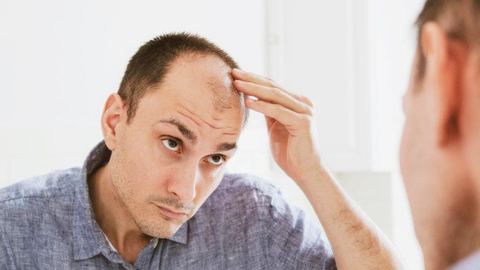
One of the main factors of baldness is heredity. Male pattern baldness, also known as androgenic alopecia, is usually inherited from previous generations. It is caused by genetic and hormonal factors that lead to increased sensitivity of hair follicles to a hormone called dihydrotestosterone (DHT). DHT shrinks hair follicles, thereby leading to a shorter life cycle of hair and its gradual thinning. This form of baldness generally manifests itself as a receding hairline, receding hairline at the temples and baldness at the top of the head.
Female baldness
Although less common than male pattern baldness, female pattern baldness can also be influenced by genetic factors. It is characterized by diffuse thinning of hair across the entire head, rather than localized hair loss. Women can inherit sensitivity to hormones that contribute to female pattern baldness, although genetic factors are not always the only causes of this problem.
Hormonal imbalance
Hormones play a crucial role in hair health. Hormonal imbalance can disrupt the hair growth cycle, leading to excessive shedding. Certain medical conditions such as polycystic ovary syndrome (PCOS) can cause hormonal changes that lead to baldness in women. Similarly, in men, high levels of androgen hormones such as DHT can lead to premature baldness.
Stress
Stress is known to cause many health problems, including hair loss. When you are under intense stress, your body releases stress hormones that can disrupt the hair growth cycle, leading to temporary loss. This form of hair loss, known as telogen effluvium, is usually reversible once stress is reduced.
Diseases and medical treatments
Certain illnesses and medical treatments can contribute to baldness. For example, cancer patients undergoing chemotherapy may lose their hair due to the medication's effects on the body's fast-growing cells, including hair follicles. Additionally, certain autoimmune diseases can cause hair loss, such as alopecia areata, which is characterized by localized bald patches on the scalp.
Baldness can have many different causes, ranging from genetic factors and hormonal imbalances to stress and illness. It is important to consult a healthcare professional if you notice excessive hair loss so that you can make an accurate diagnosis and determine the best treatment approach. By understanding the underlying causes of baldness, you can take preventative measures to maintain the health of your hair for as long as possible.
The risks of letting your hair grow
Growing your hair may seem like a risk-free decision. However, it is important to understand that this can cause certain hair problems. In this article, we'll look at the potential risks of growing your hair and the precautions you can take to avoid them.
Volume loss
When hair is allowed to grow long, it can begin to lose volume. This is due to the weight of the hair pulling on the roots, gradually weakening them. This loss of volume is often more noticeable in people with fine hair. To avoid this, it is recommended to trim the ends regularly in order to maintain a reasonable length and preserve the volume of your hair.
Hair breakage
Long hair is more prone to breakage because it is more fragile. External factors such as rubbing against clothing, using unsuitable combs and brushes, and harsh hair treatments can all contribute to hair breakage. It is therefore essential to take care of your hair by using suitable products, avoiding styling it too aggressively and limiting the excessive use of heating appliances.
Scalp problems
Growing your hair can also lead to scalp problems. Long hair tends to trap heat and humidity, which creates an environment conducive to the growth of bacteria and fungus. This can cause itching, dandruff, and other scalp conditions. To avoid this, it is important to maintain good hair hygiene by washing your hair regularly and using products suited to your scalp type.
Poor blood circulation
When hair is long, it can weigh down the head and restrict blood flow to the hair follicles. Poor blood circulation can lead to poor hair growth, loss of density and even early baldness. To promote good blood circulation, it is recommended to massage the scalp regularly, engage in regular physical activity and adopt a balanced diet.
Difficult maintenance
Finally, you must take into account that long hair requires more maintenance than short hair. They are more prone to knots, tangles and frizz. Long locks also require more time to wash, dry and style. If you don't have the time or patience to take care of your hair on a regular basis, it may be best to opt for a shorter cut.
In conclusion, growing your hair has certain risks, such as loss of volume, hair breakage, scalp problems, poor blood circulation and more difficult maintenance. However, by taking proper precautions, such as trimming the ends regularly, using the right hair products and maintaining good hair hygiene, it is possible to minimize these risks and enjoy the aesthetic benefits of long hair.