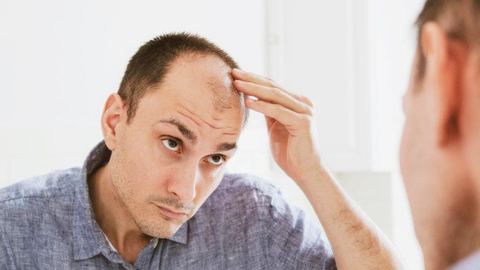
Baldness in men: myth or reality?
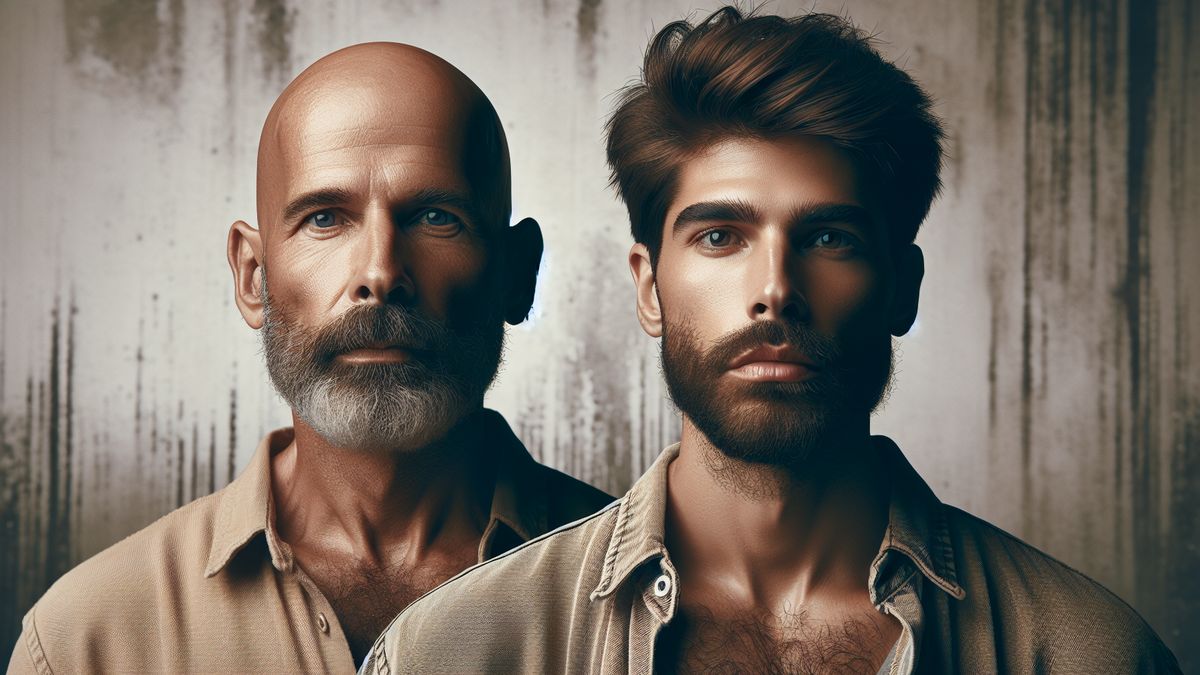
Causes of Male Pattern Baldness
1. Hereditary Factors
The main cause of male pattern baldness is heredity. In fact, male pattern baldness, also known as androgenetic alopecia, is often passed down from generation to generation. It is estimated that nearly 80% of baldness cases are due to genetic factors. This type of baldness is caused by an increased sensitivity of the hair follicles to a hormone called dihydrotestosterone (DHT). DHT causes a shortening of the hair life cycle, leading to miniaturization and premature hair loss.
2. Hormones
Hormones play an important role in male pattern baldness. In addition to DHT, other hormones such as thyroid hormone, growth hormone, and insulin can also contribute to hair loss. Hormonal imbalances, such as those that occur during menopause in women or with age in men, can accelerate the balding process.
3. Stress
Stress is an increasingly recognized factor in hair loss in men. Chronic or acute stress can disrupt the hair growth cycle, leading to excessive hair loss. Stress can also cause blood vessels in the scalp to constrict, which restricts blood flow and can harm the health of hair follicles.
4. Lifestyle
Certain aspects of lifestyle can also contribute to baldness in men. For example, an unbalanced diet that is low in nutrients essential for healthy hair can contribute to hair loss. Similarly, smoking, excessive alcohol consumption, and taking certain medications can negatively impact hair health and contribute to baldness.
5. Diseases
Certain medical conditions can also cause hair loss in men. For example, conditions such as alopecia areata, an autoimmune disease, can cause hair loss in patches. Similarly, thyroid disorders, scalp infections, or immune system diseases can contribute to male pattern baldness.
6. Medical Treatments
Certain medical treatments, such as chemotherapy, can cause temporary or permanent hair loss. The use of certain medications, such as steroids, can also cause baldness in some men.
Male pattern baldness is a common problem that can be caused by a variety of factors, including hereditary factors, hormonal imbalances, stress, lifestyle, illnesses, and medical treatments. It is important to consult a dermatologist to make an accurate diagnosis and determine the best treatment approach for each individual case.
The Different Stages of Male Pattern Baldness
Baldness is a common problem among men, usually affecting the majority of them at some point in their lives. There are different stages of male pattern baldness, ranging from mild hair loss to advanced baldness. Understanding these stages can help you better manage your baldness and choose the right treatment options. In this article, we will look at the different stages of male pattern baldness and discuss their characteristics.
Stage 1: Receding Hairline
The first stage of male pattern baldness is characterized by a slight receding of the hairline. The hair begins to recede slightly at the temples, forming an inverted “M” shape. At this stage, the hair loss may not be very noticeable and can be easily hidden with a proper haircut.
Stage 2: Crown Thinning
In stage 2, baldness progresses and thinning of the hair is most pronounced at the crown, at the back of the head. The hairline continues to recede slightly, but the main distinguishing feature of this stage is the visible thinning of the hair at the top of the head.
Stage 3: More Heavier Hair Loss
Stage 3 is characterized by more hair loss at both the crown and the hairline. The baldness becomes more visible and the hair begins to thin significantly. At this stage, it may be difficult to hide the baldness with a haircut and some men choose to wear hats or shave their heads.
Stage 4: Advanced Baldness
In stage 4, hair loss is advanced. A large portion of the crown is bald and the hairline continues to recede. The baldness is more visible and non-surgical treatment options may no longer be as effective. Many men at this stage opt for a hair transplant to restore their hair density.
Stage 5: Extensive Baldness
Stage 5 is characterized by more extensive baldness on the top of the head and crown. The hairline continues to recede, leaving a thinner band of hair around the sides and back of the head. At this stage, hair transplantation may be a common option to restore hair.
Stage 6: Advanced Baldness with a Remaining Band of Hair
In stage 6, there is usually only a band of hair remaining at the back of the head, while baldness is very extensive on the top and front. The band of hair may be thin and not enough to hide the baldness. A hair transplant may be difficult to perform at this stage, as it can be difficult to obtain enough donor hair.
Stage 7: Total advanced baldness
Stage 7 is the final stage of male pattern baldness. At this stage, there are usually no hairs remaining on the crown and front of the head. Only a strip of hair at the back may be present, but it may be very thin. For men who want to cover their baldness, treatment options are usually limited to wigs or a more radical approach, such as shaving the entire head.
In conclusion, male pattern baldness comes in different stages, ranging from a slight recession of the forehead line to advanced baldness. Understanding these stages is essential for choosing appropriate treatment options. If you are concerned about your hair loss, it is recommended to consult a healthcare professional who can advise you on the best treatment options based on your stage of baldness.
Treatments available to combat baldness
Baldness is a problem that affects many men around the world. It can have a significant impact on self-confidence and self-esteem. Fortunately, there are several treatments available to combat baldness and slow hair loss. In this article, we'll review the most common options and their potential benefits.
Minoxidil
Minoxidil is a widely used topical treatment for male pattern baldness. It works by dilating blood vessels in the scalp, which promotes blood circulation and hair growth. Minoxidil is available as a solution or foam to apply directly to the scalp. It is generally recommended to use minoxidil twice daily for best results. It is important to emphasize that minoxidil must be used continuously to maintain its effects.
Finasteride
Finasteride is an oral medication that works by blocking the conversion of testosterone to dihydrotestosterone (DHT), a hormone that plays a key role in male pattern baldness. By reducing DHT levels, finasteride helps slow hair loss and promote regrowth. This medication is usually taken daily and results may take several months to appear. It is important to note that finasteride can have side effects and should be prescribed by a doctor.
Hair transplantation
Hair transplantation is a more invasive option for treating baldness. It involves taking hair follicles from a donor area (usually the back or sides of the head) and transplanting them into balding areas. This technique allows permanent hair regrowth, but it requires surgery and recovery time. Hair transplantation can be an expensive option, but it offers long-lasting results for many men affected by baldness.
Wigs and hair prostheses
For those who prefer a quick, non-invasive solution, wigs and hair prostheses may be an attractive option. Today there are many models of wigs and hair prostheses that resemble natural hair and can be customized according to preferences. They offer a temporary solution to cover balding areas and can be worn every day or on special occasions.
Baldness can be a source of concern for many men, but there are several treatments available today to combat this problem. Whether you opt for minoxidil, finasteride, hair transplantation or wigs, it is important to consult a healthcare professional to determine the best option for you. Every person is different and what works for one may not work for another. It is essential to consider all factors before making an informed decision on how to combat baldness.
The psychological impacts of baldness in men
Baldness in men can have significant psychological consequences. Hair loss can affect self-esteem and confidence, and can even cause emotional distress. In this article, we will look at the different psychological impacts of male pattern baldness and how to deal with these problems.
1. Loss of self-confidence:
Baldness can lead to loss of self-confidence in men. Hair loss can be seen as a sign of aging or poor health, which can affect one's self-image. Some men may feel less attractive or less virile because of their baldness, which can impact their self-esteem and confidence.
2. Feelings of shame and embarrassment:
Baldness can also lead to feelings of shame and embarrassment. Some men may feel judged by others because of their hair loss, which may cause them to avoid social situations or withdraw socially. These negative feelings can impact quality of life and overall well-being.
3. Impact on social relations:
Baldness can also impact social relationships. Some men may avoid meeting new people or social activities for fear of judgment from others. This can lead to social isolation and difficulty maintaining healthy, fulfilling relationships.
4. Development of psychological disorders:
In some cases, baldness can lead to the development of psychological disorders such as depression and anxiety. Negative feelings associated with hair loss can become concerning and affect the individual's mental health. It is important to recognize these signs and seek help if necessary.
5. Strategies to deal with baldness:
Fortunately, there are ways to deal with the psychological impacts of baldness. Here are some strategies that can help:
- Talk about your feelings: Expressing your feelings and concerns to friends, a therapist or a support group can be beneficial in relieving emotional burden.
- Self-acceptance: Accepting your baldness and learning to love yourself as you are is an important first step in developing better self-esteem.
- Explore hair solutions: Certain hair solutions such as hair implants, wigs or hair products can help regain a satisfactory hair appearance and thus improve self-confidence.
- Learn to value yourself differently: Focusing on other qualities and achievements rather than physical appearance can help strengthen self-esteem and self-confidence.
In conclusion, baldness in men can have significant psychological impacts. It is important to recognize these impacts and look for ways to deal with this situation. Talking about your feelings, accepting your baldness, exploring hair solutions and learning to value yourself differently are different strategies that can help improve self-esteem and deal with the psychological impacts of baldness in men.