Should you consult your doctor before using hair implants?

What is the consultation with the attending physician before resorting to hair implants?
Understanding hair implants
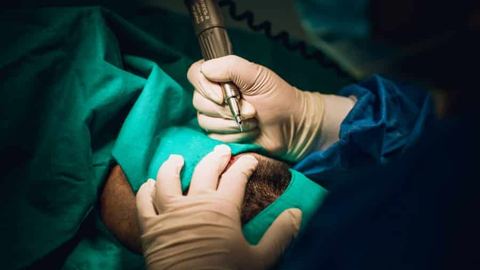
Hair implants are a common option for people facing hair loss. This surgical procedure involves implanting hair follicles into areas where hair is thinning or has completely disappeared. This helps restore hair density and regain a more youthful appearance.
The benefits of hair implants
Hair implants offer many benefits. They allow you to have natural and permanent results. Unlike other temporary solutions like wigs or hair products, implants do not require daily use and are not prone to adhesion or allergic reaction issues. Additionally, hair implants are a safe and effective procedure with a high success rate.
Why consult a GP before making a decision?
It is essential to consult your doctor before making the decision to have hair implants. The treating physician is the best person to evaluate your overall health and determine whether you are an appropriate candidate for this procedure. He will be able to advise you on the feasibility of hair implants based on your general health, the extent of your hair loss and your personal expectations.
Assessment of your state of health
During the consultation, your treating physician will assess your overall health to ensure that you are in good physical condition for the procedure. He will review your medical history, history of illnesses and surgeries, and any medications you are currently taking. Certain health conditions, such as autoimmune diseases, bleeding disorders, or scalp infections, may make hair implants less recommended.
Discuss your expectations and obtain personalized information
Your treating physician is the ideal person to discuss your expectations regarding the procedure and to provide you with personalized information. He can explain in detail the different hair implantation techniques, the risks and possible complications, as well as the post-operative care required. The treating physician may also discuss alternatives to hair implants, such as medical treatments or other surgical procedures.
Coordinate with other specialists
In some cases, your treating physician may recommend that you consult other specialists before deciding on the hair implant procedure. For example, if your hair loss is due to hormonal issues, you may be referred to an endocrinologist. If your hair loss is caused by a psychological factor, a consultation with a psychologist may be recommended. Coordinating with other specialists allows you to obtain a comprehensive assessment of your condition and explore all available treatment options.
Consultation with the treating physician before resorting to hair implants is essential to assess your eligibility and to discuss your expectations and treatment options. The attending physician will be able to provide you with personalized information and coordinate with other specialists if necessary. Take the time to consult your primary care physician to make an informed decision regarding hair implants and achieve the best possible results.
Why is it important to consult your doctor before using hair implants?
Hair loss can be a cause for concern for many people, affecting not only their appearance but also their self-confidence. For those considering hair implants as a solution, it is essential to consult their treating physician before making any decision. This article explains why it is so important to do so.
Establishing the cause of hair loss
Hair loss can be caused by many different factors, such as aging, stress, hormonal imbalances or underlying medical conditions. Before deciding to get hair implants, it is essential to determine the exact cause of hair loss. Your attending physician will be able to carry out in-depth examinations to determine the cause of your hair loss, which will allow you to choose the best solution suited to your situation.
Assess your eligibility for hair implants
Not everyone is an eligible candidate for hair implants. It is essential to consult your treating physician to assess your eligibility for this procedure. Your doctor will review your general health, medical history, and expectations to ensure that you are a suitable candidate for hair implants. Since hair implants are a surgical procedure, it is important to ensure that you are in good health to minimize risks and possible complications.
Explain the advantages and disadvantages of hair implants
Hair implants may seem like a miraculous solution to regaining hair, but it is essential to understand the pros and cons of this procedure before making a decision. Your attending physician can explain in detail the different hair implantation techniques, the expected results, potential complications and the precautions to take after the procedure. They will also be able to inform you about the alternatives available and the results they offer.
Consider potential risks
As with any surgical procedure, hair implants carry potential risks. Your treating physician will be able to advise you of any specific risks associated with this procedure, such as infection, bleeding, scarring, or changes in scalp sensation. By being well informed about these risks, you will be able to make an informed decision and evaluate whether the potential benefits of hair implants outweigh the risks involved.
Set your realistic expectations
It is important to set realistic expectations before undergoing surgery such as hair implants. Your treating physician can help you understand expected results and adjust your expectations based on your situation. It is crucial to understand that hair implants do not guarantee complete hair regrowth and that multiple sessions may be necessary to achieve satisfactory results.
Consulting your doctor before resorting to hair implants is essential to make an informed decision, taking into account your health, your expectations and the potential risks. Your doctor can guide you in choosing the best solution for your situation and help you set realistic expectations to achieve the results you want.
The advantages of consulting your doctor before using hair implants
When it comes to finding solutions for hair loss, many people consider hair implants as a viable option. However, it is essential to consult your doctor before making an informed decision. Here are the main advantages of this prior consultation:
1. Accurate diagnosis of the cause of hair loss
Hair loss can be caused by a variety of factors, such as stress, nutritional deficiency, hormonal issues, or an underlying illness. It is important to consult a primary care physician to obtain an accurate diagnosis of the cause of hair loss. This precise assessment will help determine whether hair implants are the best solution or whether other treatments are more appropriate.
2. Adequate medical monitoring
By consulting your doctor, you benefit from adequate medical monitoring throughout the process. Hair implants are a surgical procedure and it is important to have medical monitoring to ensure that everything goes well. The doctor will be able to monitor progress, answer questions and provide advice on post-operative care.
3. Detailed information about hair implant process
A treating physician can explain the hair implant process in detail, including the benefits, risks, and realistic expectations. He will be able to discuss the different techniques available, the associated costs and the expected results. This detailed information will allow the patient to make an informed decision and understand all the implications of the intervention.
4. Personalized recommendations
Every person is unique and has specific needs when it comes to hair loss. A treating physician will be able to provide personalized recommendations based on the patient's individual situation. He or she will be able to discuss non-surgical options, medical treatments or other alternatives that may be more appropriate before resorting to hair implants.
5. Comprehensive health care
By consulting your doctor, you benefit from comprehensive health care. The doctor may take into account the patient's medical history, current medications, and other factors related to the patient's general health. This will ensure that hair implants are a safe and suitable option for the patient and prevent possible complications.
In conclusion, consulting a doctor before resorting to hair implants has many advantages. It provides a precise diagnosis, adequate medical monitoring, detailed information, personalized recommendations and overall health care. It is essential to make an informed decision and have an overall vision of your health before embarking on any hair treatment.
The risks associated with not consulting the treating physician before using hair implants
Are you considering hair implants to correct your baldness? Before making a decision, it is essential to consult your doctor. Indeed, the absence of prior medical consultation can lead to certain risks and complications. Here are the main risks associated with not consulting the treating physician before resorting to hair implants.
1. Insufficient donor hair
During the medical consultation, your doctor will assess the quality and quantity of donor hair available on your scalp. This step is crucial in determining whether you are a good candidate for hair implants. In the absence of consultation, you could be faced with an insufficient number of donor hairs, which would make the intervention ineffective or even useless.
2. Risks of infection and allergic reactions
Hair implant placement is a surgical procedure that carries risks of infection and allergic reactions. Your attending physician will check your general health, your medical history and any allergies before advising or against this procedure. By avoiding seeing a doctor, you increase the risk of post-operative infection and allergic reactions, which can be dangerous for your health.
3. Lack of assessing the condition of your scalp
A medical consultation will allow you to obtain an accurate assessment of the condition of your scalp. Your doctor will examine the quality of your skin, the density of the remaining hair, and the presence of possible dermatological conditions that could affect the success of the hair implant procedure. By not consulting your treating physician, you run the risk of ignoring underlying health problems that could compromise the results of the procedure.
4. Undesirable side effects
Having hair implants placed may cause some unwanted side effects, such as pain, bruising, swelling, or bleeding. Your treating physician will inform you about the potential side effects of the procedure and give you recommendations for mitigating and managing them. By not consulting your doctor, you may not be prepared for these unwanted side effects, which could alter your post-operative experience.
5. Lack of appropriate medical monitoring
After the procedure, it is essential to carry out appropriate medical follow-up to assess the progress of hair regrowth and ensure the absence of complications. By avoiding seeing a doctor, you are missing out on this much-needed follow-up, which could delay early detection of any possible problems. Appropriate medical monitoring also guarantees optimal results and long-term satisfaction.
In conclusion, consulting your treating physician before resorting to hair implants is essential to assess your suitability for this procedure, reduce the risk of infection and allergic reactions, assess the condition of your scalp, know the potential side effects and benefit from appropriate medical monitoring. Do not hesitate to make an appointment with your doctor to discuss your expectations and obtain the advice and information necessary to make an informed decision.