Hair transplant: the advantages and disadvantages, Before After
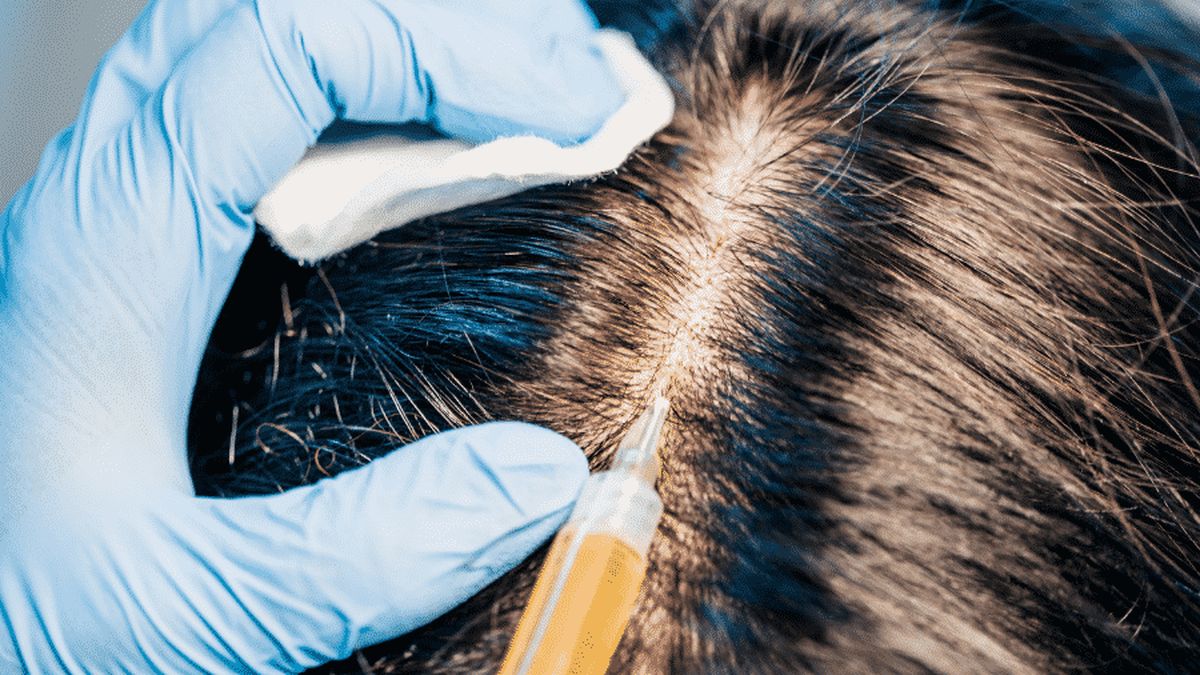
If you are tired of losing your hair in times of stress, or you can no longer stand your baldness, there hair transplant could be an interesting solution. L'hair implant has been on the rise for several years because it allows you to benefit from numerous advantages. Find out everything you need to know about hair transplantation, its advantages and disadvantages.
What is a hair transplant used for?
Hair transplantation makes it possible to fill in bald areas of the scalp. To do this, grafts are taken from healthy areas before being re-implanted in areas without hair. There are two methods of hair transplantation, namely:- There follicular extraction transplant (FUE): micro-grafts are taken to replenish the areas without hair. More than 1000 grafts can be implanted in a single session of 3 to 5 hours. The healing is discreet and above all very rapid.
- There strip graft: which is the most used technique for people suffering from alopecia really important. A strip of scalp is entirely removed to fill a very bald part of the skull with stitches. It is a fairly painful operation, but it allows you to obtain quality results in just a few sessions.
Who can perform an FUE hair transplant?
All people suffering from alopecia moderate can achieve a FUE hair transplant. However, they must have healthy hair growth on the back and sides of the head (which are the donor areas). In these areas, they must have a sufficient volume of hair so as not to thin them out during the procedures.The advantages of FUE hair transplantation
There hair transplant by follicular extraction is very recent but very effective. Here are the advantages of this hair implant:- The scars left by the procedure are microscopic and practically invisible to the naked eye, regardless of the size of the hair
- The small perforations made during the collection of follicular units in the occipital and temporal regions heal in just a few days without leaving any visible traces
- It is a relatively painless procedure, unlike strip hair transplantation. No stitches are performed, allowing for a quick and safe recovery
- A very natural appearance thanks to the finesse of the implants
- A very effective technique for properly replenishing a thinning scalp
- An ideal technique for precisely hiding a scar on the scalp
- This hair transplant is permanent, which will allow you to enjoy it for many years
- It is the technique with the lowest failure rate with more than 99.5% success, which makes it an effective hair implant technique
The disadvantages of FUE hair transplant
Even if this type of hair implant has many advantages, some disadvantages should be noted:- The quality of the graft may be of lower quality than a classic hair transplant. This may be due to a risk of transection of the graft during extraction using a motorized punch With each intervention performed, new scars appear on the scalp. For example, with a graft of 2000 hairs, 2000 micro-scars will therefore be present.
- You may feel itching or see swelling appear in the re-filled area. However, these problems are quite rare and are not really serious
- The area where the hair is taken will remain bare after the procedure. This is why the donor area must be well preserved, thanks to a therapeutic protocol followed to the letter
- Despite these drawbacks, the
A hair transplant can significantly transform a person's appearance and self-confidence.
Before the transplant , baldness or thinning hair can cause feelings of insecurity.After the intervention , the transplanted hair begins to grow back gradually, with visible results generally between six to twelve months. The appearance becomes more natural, the hairline is restored, and hair density is improved. This transformation often brings a boost in self-esteem and increased personal satisfaction. If you need more details, you can see an example in the article "hair transplant before after" ofDoctor Paul Benet .Trust real professionalsTo achieve this
FUE hair transplant , it is essential to contact real professionals. Also, you can trustHair Palace, specialist in hair implants by follicular extraction. You will benefit from the best know-how for a quality result.Articles similaires
electronic cigarette