
How to protect your home from flooding: Practical guide
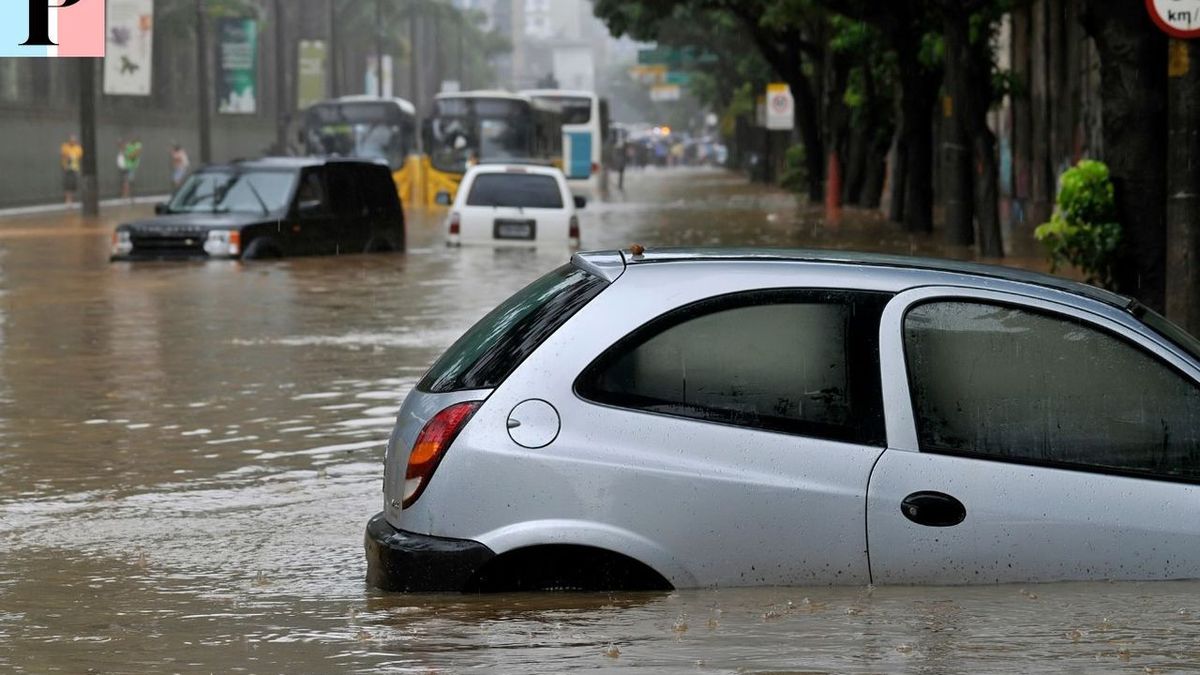
Flooding represents a major risk for many homes located in flood-prone areas. The establishment of preventive measures can greatly reduce material damage and ensure the occupant safety. This article guides you through the main strategies and improvements to make to limit your home's vulnerability to flooding.
Assess flood risk
Before taking any action, it is essential to assess the flood risk to which your property is exposed.Consult the town planning documents
Check if your land is in a flood zone by consulting the town planning documents of your municipality, in particular the Flood Risk Prevention Plan (PPRI). You can obtain your personalized risk exposure diagnosis by carrying out a home insurance price simulation on the Generali.fr websiteVulnerability diagnosis
It may be beneficial to have a vulnerability diagnosis by a professional. The latter will assess the risks specific to your property and propose appropriate solutions to protect it.Measures to limit the entry of water
Install temporary protection devices
Consider installing flood barriers removable in front of doors and windows. These barriers must allow easy access in the event of an emergency while limiting the entry of water.- Door barriers
- Window protection panels
- Plugs for lower openings
- Non-return valves on buried drainage networks.
Seal potential entry points
Make sure all cracks and faulty joints in exterior walls are repaired. Also seal around external network penetrations to prevent water from infiltrating.Use of water-resistant materials
Depending on the characteristics of your home, replacing certain materials can significantly reduce damage in the event of flooding.Floors and walls
Opt for water resistant floor coverings such as tiles instead of parquet or carpet. For walls, prefer non-sensitive materials such as stone or waterproof panels.Furniture and equipment
Choose metal furniture or plastic rather than wood, which are more water resistant. Place electronics and appliances elevated or in non-flooding rooms.Protection of valuables and securing of installations
Valuables
Store them precious objects, THE important documents and medications protected from water, ideally in waterproof boxes located high up.Electrical installations
To avoid electrical hazards during a flood:- Separate them electrical circuits of exposed and non-exposed parts
- Install electrical panels at height
- Prefer outlets located high up where possible
- Turn off the power supply before a flood and only restore it after professional inspection.
Heating and gas installations
Raise heating systems and locate them in non-flooding locations when possible. Secure and anchor oil or gas tanks securely to prevent them from floating or polluting.Emergency plan and first aid kit
Have a emergency plan in place and a accessible first aid kit proves crucial in the event of flooding. Also plan a place of refuge at height, accessible from the inside, to allow safe evacuation upon the arrival of emergency services.72H first aid kit
This kit should contain:- Of the essential medicines
- From thedrinking water and non-perishable food
- A battery operated radio
- Of the flashlights and batteries.
Refuge area
Setting up a refuge area high up in your house will allow occupants to find safety while waiting for help.After the flood: actions to take
Once the flood has passed, returning to normal requires certain priority steps to ensure the security and thehabitability of your home.Water drainage
Use submersible pumps powered by a secure power source to evacuate water from basements more quickly.Dry and air
Open the lower ventilation grilles as soon as possible to help renew the air and allow the interior of the house to dry.Inspection and restoration of services
Inspect them electrical installations and gas by professionals before restoring services. Thoroughly clean and disinfect surfaces touched by water to prevent mold and infections. In conclusion, reducing your home's vulnerability to floods requires a series of preparations and appropriate modifications. By taking these steps, you will not only protect your property but also ensure the safety of your family.Articles similaires



electronic cigarette