
Rainwater collector: what are the advantages and disadvantages
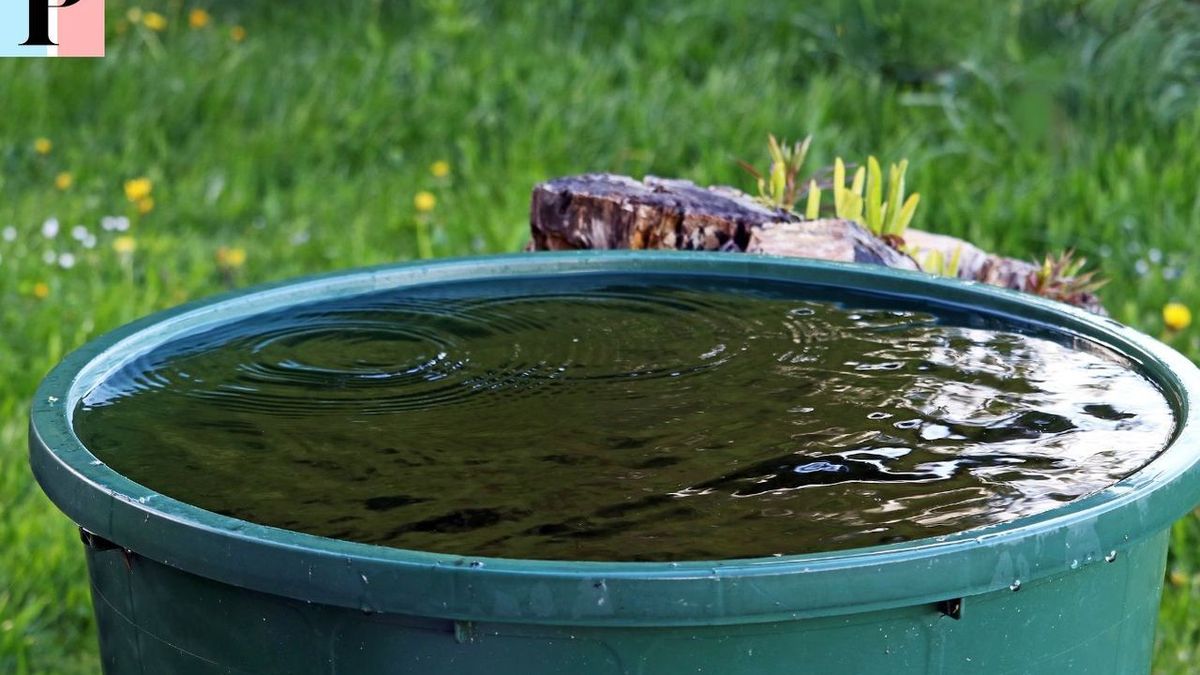
THE rainwater collectors popular lately. Water is a precious resource whose sustainable management is essential to preserve our environment and ensure a sufficient supply for future generations. Faced with this reality, interest in rainwater collectors continues to grow.
In this article, find out why you should buy a rainwater collector and how it can contribute to responsible and ecological use of water.
Environmental benefits
Rainwater harvesting has many ecological advantages. First of all, it allows preserve drinking water by reducing the consumption of water from groundwater and rivers. In fact, the use of rainwater for certain non-potable uses limits the withdrawal from these natural sources. Additionally, rainwater harvesting also contributes to limit flooding by retaining part of the rainwater which generally flows towards the sewers. This phenomenon is particularly beneficial in urban areas where the concentration of impermeable surfaces increases runoff and the risk of flooding.The savings made
One of the main benefits of using a rainwater harvester is the savings on your water consumption. According to some estimates, a household equipped with an efficient water recovery system can reduce its consumption by up to 50%, which translates into a significant reduction in water bill. Additionally, purchasing a rainwater collector can be considered a long-term investment. Indeed, despite a relatively high initial cost, the savings made on the water bill generally make this purchase profitable in just a few years.The different types of rainwater collectors
There are several types of rainwater collectors, adapted to different needs and constraints:Above-ground skimmers
Above-ground recuperators are the most common and easiest to install. Usually made of plastic or metal, they can be placed near gutters and connected directly to them to collect rainwater. Their storage capacity generally varies between 200 and 1000 liters.Buried skimmers
Buried collectors, often made of concrete or reinforced plastic, offer greater storage capacity than above-ground models. However, they require more extensive and costly installation work.Decorative recuperators
These recuperators combine aesthetics and functionality by integrating decorative elements such as planters, fountains or sculptures. They are particularly suitable for small outdoor spaces.Installation and maintenance
Installing a rainwater collector requires a few key steps:Choice of location
It is important to choose a suitable location for your skimmer, taking into account the constraints linked to size, weight and access to gutters.Connection to the gutter
Connecting the collector to the gutter is generally done using a specific kit including a pipe and a suitable downspout. It is essential to ensure the tightness of the system to avoid leaks.Regular maintenance
Regular maintenance is necessary to ensure the proper functioning and durability of your skimmer. This includes cleaning filters, checking seals and monitoring the quality of the stored water.Regulations and subsidies
In France, there is no legal obligation regarding the use of rainwater collectors. However, some municipalities offer financial aid to encourage their installation. Ask your town hall or consult the service-public.fr website for more information on the steps to take.Examples of using reclaimed water
Here are some concrete ideas for using collected rainwater in your daily life:Garden watering
Rainwater is particularly suitable for watering plants and lawns, as it is free of chlorine and limescale.Cleaning of exteriors
The recovered water can be used to clean terraces, garden furniture or even vehicles.Use in toilets
It is possible to use rainwater to flush toilets, which represents a significant saving in drinking water. In conclusion, purchasing a rainwater collector offers many advantages both environmentally and economically. Don't wait any longer to invest in this ecological and responsible solution, and thus help preserve our precious water resource. Read also: The 5 best tips for an eco-friendly homeArticles similaires

Rainwater collector
Collect rainwater: installation, maintenance and daily water savings
Rainwater collector