
The flexible tank to collect rainwater: economy and ecology within reach
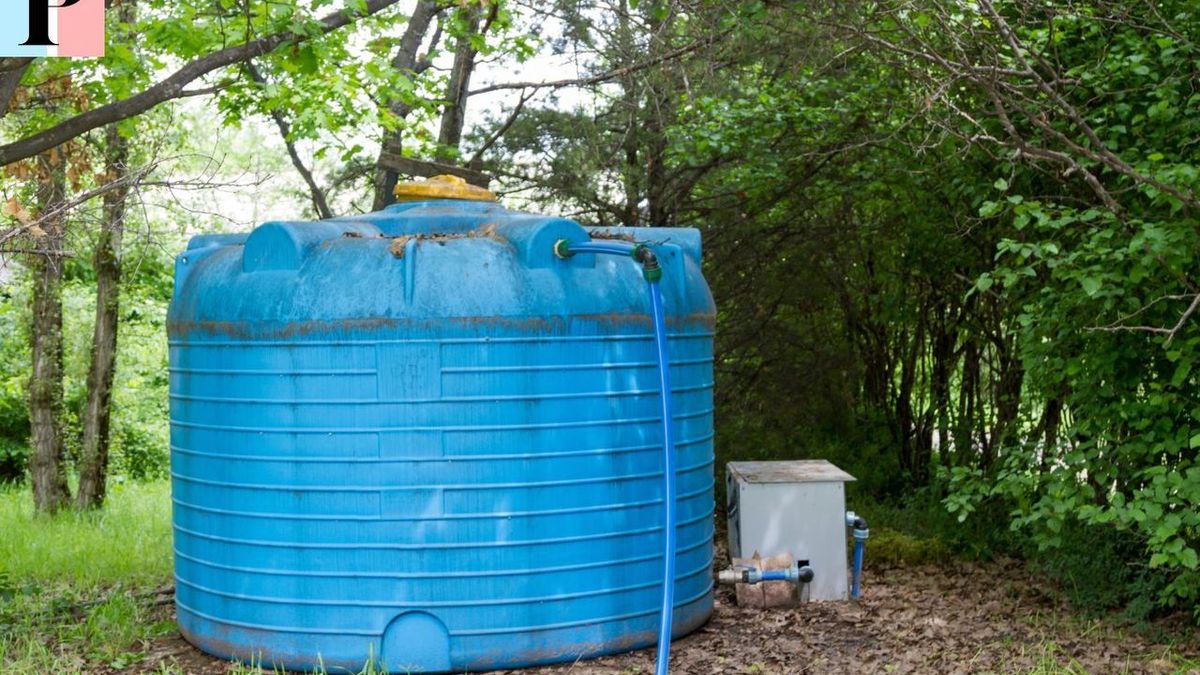
There flexible tank is an innovative and ecological solution for collecting rainwater. They offer many advantages over traditional rigid tanks, including water and cost savings, ease of installation and flexibility.
In this article, we will explore in detail the benefits of flexible tanks and guide you through their installation.
Read also: Collecting rainwater: installation, maintenance and daily water savings
Advantages of flexible tanks
Saving water and money
Flexible tanks allow you to store rainwater and use it for various needs (watering, toilets, etc.), which reduces your consumption of drinking water and lowers your bills. In addition, they are generally less expensive to purchase than rigid tanks.Ease of installation
Installing a flexible tank is much simpler than that of a rigid tank. In fact, it does not require major work or specific skills, which makes it accessible to all owners.Flexibility and adaptability of the flexible tank
Thanks to their flexible material, flexible tanks easily adapt to different spaces and terrains. In addition, they are available in several sizes and volumes to meet the specific needs of each user.Types of flexible tanks
There are different sizes and dimensions of flexible tanks on the market, ranging from a few hundred to several thousand liters. Formats also vary to accommodate space constraints or aesthetic preferences. Read also: Complete guide to the rainwater collector: economy, installation and available modelsInstallation and maintenance of the flexible tank
Choice of location
The ideal location for your flexible tank must be near a gutter or rainwater collector, on flat and stable ground. Also be sure to choose an easily accessible location for the interview.Preparing the ground for your flexible tank
Before installation, it is important to prepare the floor by leveling the surface and removing any stones or sharp objects. Then, lay down a layer of filtering geotextile to protect the flexible tank from possible perforations.Installation of accessories for your flexible tank
Finally, install the necessary accessories such as the rainwater collector, the filtration system and the connections to the flexible tank. Read also: Rainwater collector: what are the advantages and disadvantagesRegulations and subsidies
Ask your town hall or region about the regulations regarding rainwater recovery and any grants available to help you finance your project.Testimonials and experiences
Several owners and businesses have already adopted the flexible tank for their rainwater recovery. They highlight in particular the ease of installation, the savings made and the satisfaction of contributing to the preservation of the environment. In summary, flexible tanks represent a practical, economical and ecological solution for collecting rainwater. Please consider this option for your water needs and inquire about models and grants available in your area.Articles similaires
Rainwater collector
Rainwater collector: what are the advantages and disadvantages


Rainwater collector