Muscle pain after exercise, how to relieve it effectively? tips and techniques
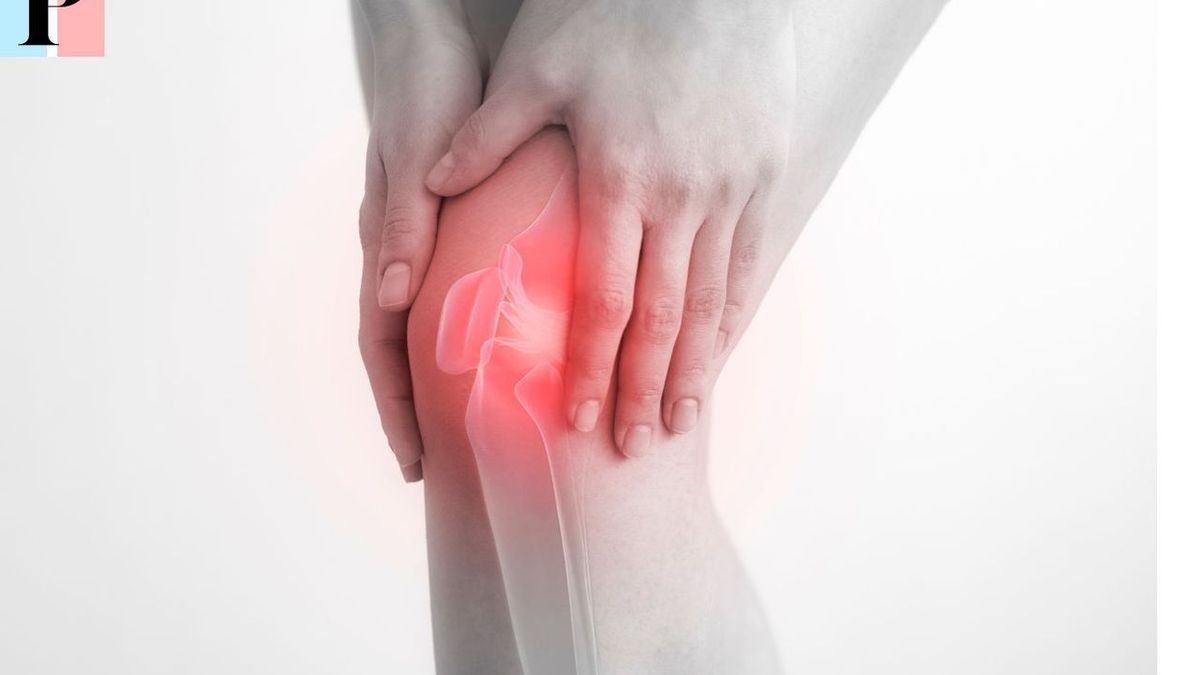
Have you ever felt that feeling of pain and stiffness after an intense sports session? You are not alone. Post-exercise muscle pain affects a large number of athletes, whether beginners or experienced.
Fortunately, there are effective ways to relieve this pain and promote muscle recovery. In this article, we'll explore the causes of muscle soreness, preventative strategies, and treatment techniques to help you get back into shape quickly.
Understanding muscle pain after exercise
THE muscle pain generally occur after intense sporting activity, particularly when returning to sport or practicing new movements. They are mainly due to microtrauma caused by physical effort on muscle fibers and connective tissues. These lesions cause inflammation, leading to pain, stiffness and a temporary reduction in performance.Prevention of muscle pain
To prevent muscle pain, it is essential to adopt a few good habits before each sports session:- Warm-up: A proper warm-up prepares the body for exercise and reduces the risk of injury.
- Stretching: Regular stretching helps improve flexibility and joint mobility.
- Progress: Gradually increase the intensity of your workouts to avoid overloading your muscles.
Immediate Recovery Techniques
After an intense sports session, it is recommended to adopt the following actions to promote muscle recovery:- Cooling: A gradual return to calm helps the body readjust to resting conditions.
- Hydration: Drinking enough water or energy drinks after exercise helps compensate for losses in water and mineral salts.
Treatments to apply
To relieve muscle pain, several treatments can be considered:- Massage: A suitable massage can relax tense muscles and stimulate blood circulation.
- Thermotherapy: Applying heat to the painful area promotes blood circulation and the elimination of metabolic waste.
- Cryotherapy: Cold has an anti-inflammatory and analgesic effect, which can help reduce pain and swelling.
- Arnica, essential oils, and anti-inflammatory gels: These natural products can be applied topically to relieve pain and accelerate healing.
High-tech post-exercise muscle recovery devices
- Massage rollers and guns to eliminate muscle aches and tensions
- Pressotherapy boots (or compression boots)
- electro stimulators with their muscle electrostimulation programs (Compex, Bluetens...)
Role of diet and hydration
A balanced diet and adequate hydration are essential to support muscle recovery:- Proteins: Proteins are essential for repairing and strengthening damaged muscle fibers.
- Carbohydrates: Carbohydrates provide energy and help fill glycogen stores.
- Vitamins and minerals: Vitamins and minerals play a key role in the recovery process and prevention of cramps.
Importance of rest and sleep
Rest and sleep are two key elements for optimal recovery:- Active rest: Alternating days of intense training with light activities, such as walking or cycling, allows muscles to regenerate.
- Quality sleep: A sleep restorative promotes the renewal of muscle cells and the release of growth hormones.