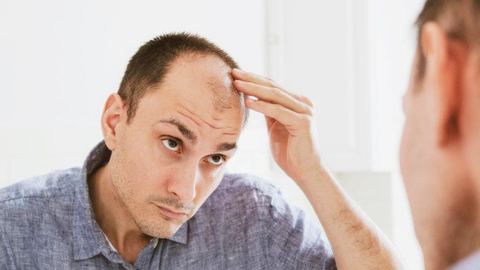
How to recognize the first signs of baldness?
The different causes of baldness
Baldness, also known as alopecia, is a hair problem that affects many people, both men and women. It is characterized by progressive hair loss, which can lead to a reduction in hair density. There are different underlying causes for this problem, with some being more common than others. Here is an overview of the main causes of baldness:
1. Heredity
Heredity is often considered the main cause of baldness. So-called “androgenetic” baldness is the most common form and is caused by genetic factors. Men are more likely to develop baldness if their father or other family members are also affected. In women, hereditary pattern baldness can also occur, but is generally less common and less severe.
2. Hormonal imbalance
Hormonal imbalance can also lead to baldness. In men, high levels of dihydrotestosterone (DHT), a derivative of testosterone, can cause hair follicles to atrophy, leading to hair loss. In women, baldness can be caused by hormonal changes related to pregnancy, menopause or certain hormonal disorders.
3. Stress and emotional shock
Chronic stress and emotional shock can impact hair health. In some circumstances, strong emotions or excessive stress can lead to a condition called "telogen effluvium," where hair prematurely transitions from the growing phase to the resting phase, causing it to fall out.
4. Environmental factors
Exposure to certain environmental factors can also contribute to baldness. Exposure to harsh chemicals, such as certain medications, UV rays, air pollution or cigarette smoke, can damage hair follicles and cause hair loss. Additionally, certain harsh hair practices, such as excessive use of heat or styling products, can also weaken hair and lead to hair loss.
5. Diseases and medical treatments
Certain illnesses and medical treatments can also cause temporary or permanent baldness. Health conditions such as hypothyroidism, lupus, scalp infections or chemotherapy can lead to hair loss. In these cases, hair regrowth may be possible after healing or completion of treatment.
It is important to note that each case of baldness is unique and can be caused by a combination of factors. If you notice excessive or unexplained hair loss, it is recommended to consult a dermatologist who can make an accurate diagnosis and recommend appropriate treatments to prevent or slow down baldness.
The first signs of hair loss
Hair loss can be a frustrating and disconcerting problem for many people. It is important to recognize the early signs of baldness so you can react quickly and take the necessary steps to slow or prevent further hair loss. Here are some of the most common signs to look out for:
Thinning hair
One of the first signs of baldness is thinning hair. You may notice that your hair becomes less voluminous and appears finer than before. It is common for hair to also become more fragile and more prone to breakage. If you start to notice that your hair appears less dense and less healthy, it is important to consult a hair health professional for an accurate diagnosis.
Receding hairline
Another early sign of baldness in men is receding hairline. You may notice that your forehead appears larger, as the hairline gradually recedes. In women, volume loss and lightening of the crown area may be observed. This sign may indicate impending baldness and the need to consult a dermatologist for possible solutions.
Excessive hair loss when brushing or washing hair
If you notice excessive hair loss when you brush or wash your hair, this may be an early sign of baldness. It is normal to lose a few hairs every day, but if you notice significant hair loss, it is best to consult a hair health professional. They will be able to assess your situation and recommend appropriate treatments.
The appearance of bald areas
Balding areas are a clear sign of baldness that requires immediate attention. You may notice areas where hair is significantly thinning or completely absent. These areas may gradually develop and become more and more visible over time. If you notice the appearance of bald spots, it is essential to consult a hair health professional to discuss treatment and management options for hair loss.
Recognizing the early signs of hair loss is crucial to taking preventive measures and stopping baldness as soon as possible. If you notice thinning hair, receding hairline, excessive hair loss when brushing or washing, or the appearance of bald areas, it is recommended to consult a hair expert. They will be able to guide you to the best treatment options to slow or further prevent hair loss. Remember that it is important to take care of your hair and scalp to maintain healthy and strong hair.
Symptoms of incipient baldness
Excessive hair loss
One of the first signs of incipient baldness is excessive hair loss. You may start to notice that you are losing more hair than usual when you comb your hair, brush your hair, or take a shower. Hair may also build up around the edges of your brush or shower, indicating abnormal hair loss.
Hair thinning
Another common symptom of incipient baldness is thinning hair. You may notice that your hair becomes less dense and your scalp becomes more visible, especially at the parting area. Hair may appear thinner and less voluminous, making it appear as if your hair is thinning.
Receding hairline
A clear sign of incipient baldness in men is a receding hairline. You may begin to observe that your forehead becomes larger as the hairline recedes. This may be particularly evident at the temples, forming characteristic “peaks” or inverted “M” shapes.
Hair loss in clumps
It is also possible to notice hair loss in clumps when you suffer from incipient baldness. You may notice that handfuls of hair come off easily when you touch or comb it. This can make your hair appear to be falling out in strands.
Irritated scalp
In addition to hair loss and thinning, some men may also experience signs of scalp irritation when they begin to lose their hair. The scalp may become dry, itchy and tender to the touch. This is often accompanied by dandruff, which makes incipient baldness even more visible.
If you notice one or more of these symptoms, it is important to consult a dermatologist or hair specialist. They will be able to assess your condition, determine the cause of hair loss and offer you solutions adapted to your situation. It is important to treat emerging baldness as early as possible to increase the chances of successful hair loss treatment.
Steps to take to prevent baldness
Baldness is a common hair problem that affects many people, both men and women, around the world. It can have a significant impact on self-esteem and self-confidence. Fortunately, there are steps one can take to prevent baldness or at least slow its progression. In this article, we will introduce you to some of these effective measures.
Adopt a balanced diet
A balanced, nutrient-rich diet is essential to maintaining the health of your hair. Make sure you're getting enough protein, vitamins (including vitamins A, B, C and E) and minerals (such as zinc, iron and copper) to promote hair growth and maintain hair health. Recommended foods include green vegetables, fresh fruits, oily fish, nuts and seeds.
Avoid stress
Excessive and prolonged stress can contribute to hair loss. Try to reduce stress in your life by practicing relaxation techniques like meditation, yoga, or deep breathing. You may also consider seeing a mental health professional if stress becomes too much to handle.
Protect your hair
Take care of your hair by avoiding tight styles, harsh chemical treatments, such as perms and straighteners, and excessive use of heated hair products, such as straighteners and hair dryers. These factors can weaken hair and lead to premature loss. Choose soft, natural hairstyles, use quality hair products and limit the use of heat on your hair.
Consult a dermatologist
If you notice signs of baldness, it is important to consult a dermatologist who specializes in hair problems. The dermatologist will be able to assess the condition of your scalp, identify the possible causes of baldness and recommend the best treatments to prevent or slow it down. These may include medications, topical treatments, or even hair transplant techniques.
Baldness can be prevented or slowed down by adopting some simple but effective measures. By following a balanced diet, reducing stress, protecting your hair and consulting a dermatologist, you can take care of your scalp and promote the health and growth of your hair. Remember that every person is different and results may vary, so it is important to be patient and persistent in your efforts to prevent baldness.