How to recognize the first signs of baldness?
Baldness: a common problem
Baldness is a hair health problem that affects many people, both men and women, around the world. It can have a considerable impact on the self-esteem and self-confidence of people who suffer from it. This condition, which is characterized by progressive hair loss, can be difficult to live with, but it is important to understand that it is common and that there are solutions to manage it.
The causes of baldness
Baldness can have several causes, including genetics, hormones, stress, medications and illnesses. The most common cause of male pattern baldness is androgenetic alopecia, also known as hereditary pattern baldness. This form of baldness is linked to genes inherited from parents and results in progressive hair loss over time.
In women, baldness can also be linked to hormonal factors, such as menopause or post-pregnancy changes. Health issues, such as hormonal imbalance, lack of certain essential nutrients, or thyroid diseases, can also contribute to baldness in women.
Signs of baldness
Baldness can manifest itself in different ways in men and women. In men, baldness usually begins with a reduction in hair density at the temples and crown of the head, forming an inverted "M" shape or bald crown. In women, female pattern baldness is characterized by diffuse hair loss across the entire scalp, without the formation of distinct bald areas.
Treatments for baldness
There are several treatments for baldness, including medications, topical treatments, and surgical procedures. Medications such as minoxidil and finasteride can help slow hair loss and promote hair regrowth. Topical treatments, such as lotions and foams that contain active ingredients to stimulate hair follicle growth, are also popular.
For more advanced cases of baldness, hair transplantation is a viable option. This surgical procedure involves harvesting hair from a donor area on the scalp and implanting it into the balding areas. This allows for permanent hair regrowth and can provide natural-looking, long-lasting results.
Hair Care for Baldness
In addition to medical treatments, it is important to have a proper hair care routine to manage baldness. Using gentle hair products and avoiding harsh chemicals can help preserve the health of existing hair. It is also recommended to protect yourself from the sun by wearing a hat or using a hair sunscreen to prevent damage from UV rays.
In addition, a balanced diet rich in essential nutrients, such as vitamins B, C, D and E, as well as minerals such as iron and zinc, can promote healthy hair. Drinking enough water and avoiding stress can also help prevent baldness.
Baldness is a common problem that can affect both men and women. It is important to understand that baldness is not a shameful condition and that there are solutions to manage it. From medical treatments to surgical procedures to proper hair care, it is possible to take steps to lessen the effects of baldness and regain self-confidence. It is also important to remember that each person is unique and treatments may vary depending on individual needs. Support and understanding from those around you can be essential to living comfortably with baldness.
The first signs of baldness in men
Baldness, also called hair loss, is a common problem among men. It can start at any age and has many causes, including genetics and environmental factors. Recognizing early signs of baldness can allow for early intervention and effective treatment. In this article, we will explore the early signs of male pattern baldness and the treatment options available.
Retreating frontal line
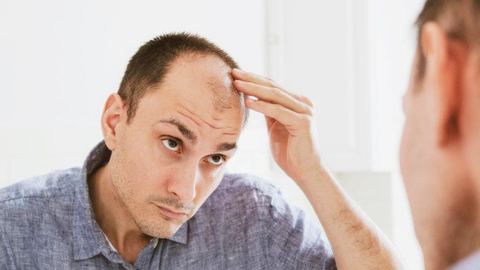
One of the first visible signs of baldness in men is a receding hairline. Hair begins to gradually recede from the base of the forehead, creating a higher hairline. It can sometimes be subtle and gradual, but it can be more obvious in some men. Receding hairline can be seen at an early stage of baldness.
Hair thinning
Another early sign of male pattern baldness is thinning hair. Hair becomes thinner and thinner, and hair density gradually decreases. This hair loss can be seen on the upper part of the head, leaving an area of thinning or balding hair. It can also be noticed when hair is wet or after drying.
Excessive hair loss
Excessive hair loss is also an early sign of male pattern baldness. It's normal to lose up to 100 hairs per day, but if you notice significant hair loss that doesn't seem to be growing back, it may be a sign of baldness. You may find that your hair falls out easily when brushing, washing, or even just running your fingers through your hair.
Formation of gulfs
The hairlines, or temples, may also begin to recede in men with baldness. Hair thins on the sides of the head, creating balding areas that can connect with the receding hairline. The gaps may become more pronounced as baldness progresses.
Treatment options
If you notice the first signs of baldness, it is important to consult a hair health professional. There are different treatment options available to slow or reverse male pattern baldness. These options include medications, such as minoxidil, that stimulate hair growth. There are also surgical treatments, such as hair transplantation, that can restore hair density to balding areas.
Recognizing the early signs of male pattern baldness is crucial for early intervention and effective treatment. If you notice changes in your hairline, thinning hair, excessive hair loss or the formation of hairlines, it is important to consult a hair health professional. They will be able to assess your situation, offer you an accurate diagnosis and recommend the best treatment options to slow or reverse baldness. Taking early action can make all the difference in managing male pattern baldness.
The first signs of baldness in women
Baldness, often associated with men, can also affect women. Although less common, hair loss in women can be a source of frustration and stress. It is therefore important to recognize the first signs of baldness in women in order to act quickly and find suitable solutions.
1. Hair thinning
One of the first signs of female pattern baldness is general thinning of the hair. Hair becomes finer and less dense, which can give the appearance of thinning hair. This phenomenon can be observed in particular at the central parting, the temples and the top of the head.
2. Excessive hair loss
Excessive hair loss is another sign of female pattern baldness. It is normal to lose a certain amount of hair every day, but when this loss becomes more significant and thinning areas appear, it is time to take action.
3. Widening of the line
A widening of the part is a common sign of female pattern baldness. The part appears wider and wider and may begin to extend toward the back of the head. This form of baldness is often called androgenetic alopecia and is usually inherited genetically.
4. Brittle and brittle hair
Hair affected by female pattern baldness can become more brittle and brittle. It can break easily and appear dull and damaged. Harsh styling techniques, such as heat styling or frequent coloring, can also contribute to hair brittleness.
5. Spotty hair loss
Female pattern baldness can also present as spotty hair loss. These can be small areas of hairlessness on the scalp, called bald spots or bald patches. These areas can vary in size and shape and can sometimes itch or feel like a burning sensation.
6. Slower Hair Growth
Another sign of female pattern baldness is slower hair growth. Hair may take longer to grow and reach its usual length. If you notice that your hair does not seem to grow as quickly as it used to, this may indicate a baldness problem.
What to do if you notice these signs?
If you notice these early signs of female pattern baldness, it is advisable to consult a dermatologist or hair specialist. These professionals will be able to assess the situation and recommend the best treatments for your case. Today, there are many options for treating female pattern baldness, ranging from medications to specific hair treatments. The important thing is not to ignore the signs and to take steps as soon as possible to slow or stop the progression of baldness.
In conclusion, the first signs of female pattern baldness may include thinning hair, excessive shedding, widening of the parting, weak and brittle hair, localized loss and slower hair growth. If you observe these signs, consult a professional for an accurate diagnosis and personalized advice.
How to act at the first signs of baldness?
When you start to notice signs of baldness, it is important to act quickly to minimize hair loss and prevent possible permanent baldness. Here are some steps you can take at the first signs of baldness:
1. Consult a hair health professional:
The first step to taking action against baldness is to consult a hair health professional, such as a dermatologist or hair health specialist. They will be able to assess the extent of hair loss, determine the underlying cause and suggest treatment tailored to your condition.
2. Eat a balanced diet:
A healthy, balanced diet is essential to maintaining the health of your hair. Make sure you're getting enough protein, vitamins (including vitamins A, C, D and E) and minerals such as iron and zinc. Also opt for foods rich in omega-3 fatty acids, such as oily fish, nuts and seeds, which promote hair growth and help keep it healthy.
3. Limit the use of harsh styling tools:
Frequent use of styling tools such as straighteners, curling irons and hair dryers can damage your hair and worsen baldness. Avoid using them daily, favor lower temperatures and use thermal protection products before use.
4. Avoid stress:
Stress has been linked to baldness and hair loss. It is therefore important to find effective ways to manage your stress. Practice relaxation techniques, such as meditation, yoga, or deep breathing. Regular exercise can also help reduce stress.
5. Use anti-hair loss products:
There are many products on the market specifically designed to slow hair loss and promote hair regrowth. These products include shampoos, lotions and dietary supplements containing ingredients such as minoxidil, finasteride, vitamins and herbal extracts. Consult your hair health professional to find out which product is best suited to you.
6. Opt for non-surgical hair treatments:
If you are concerned about your incipient baldness, but do not want to undergo surgery, you have other options. Non-surgical treatments, such as laser therapy, hair microtransplantation, and platelet-rich plasma (PRP) injections, can help prevent hair loss and stimulate regrowth. Talk to your hair health professional to find out which treatment would be most appropriate for you.
By following these steps at the first signs of baldness, you can preserve the health of your hair and act quickly to minimize hair loss. Remember that it is important to consult a hair health professional to obtain an accurate diagnosis and treatment tailored to your situation.