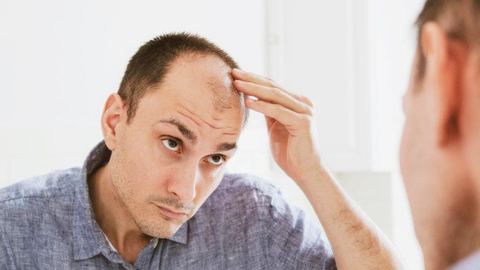
How to recognize and act on the onset of baldness in men?
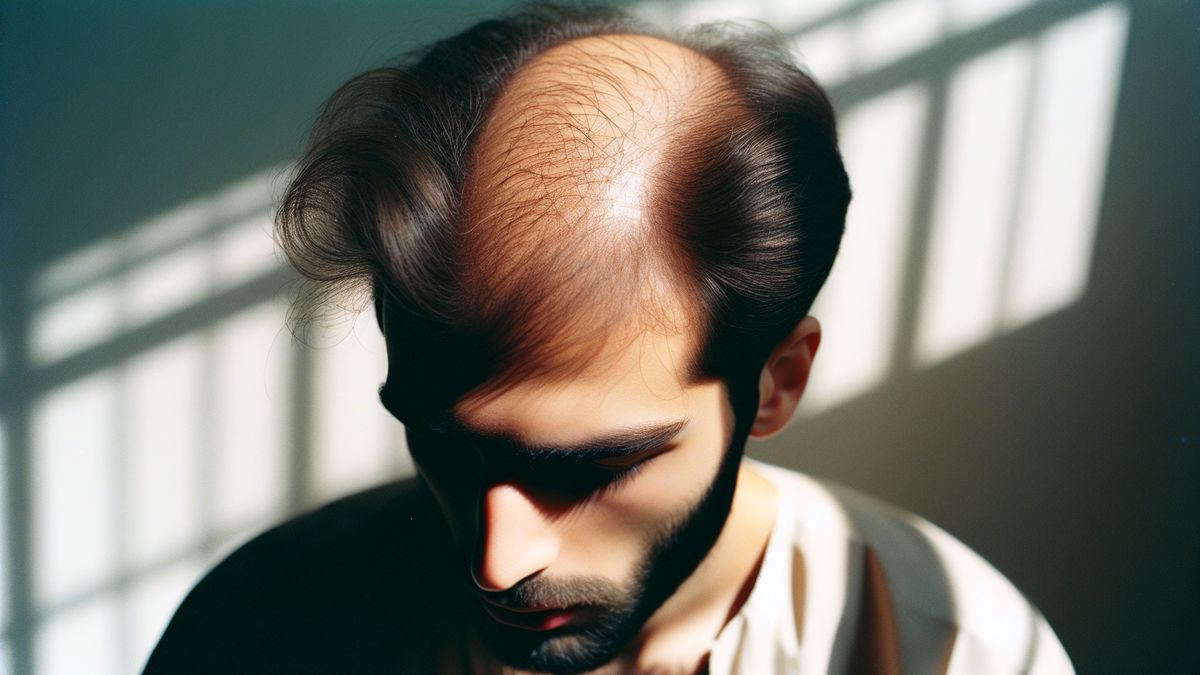
What is male pattern baldness?
Male pattern baldness, also known as androgenetic alopecia, is a common problem that can affect men of any age. Hair loss is often seen as a sign of aging and can have a significant impact on self-confidence and self-esteem. Understanding the causes, symptoms and possible solutions of male pattern baldness is essential for those looking to treat this problem.
The causes of baldness in men
Male pattern baldness is mainly caused by a combination of genetic and hormonal factors. Heredity is often a determining factor, with a family history of baldness significantly increasing the chances of developing this problem. Hormones, particularly dihydrotestosterone (DHT), also play a key role in male pattern baldness. When DHT binds to hair follicles, it can cause them to miniaturize and ultimately fall out.
Symptoms of baldness in men
Male pattern baldness usually manifests itself as progressive hair loss - often as receding hairlines, a bald area at the top of the head, or a thinning crown. As hair loss progresses, these balding areas may eventually come together, leaving only a fringe of hair around the sides and back of the head. Male pattern baldness can also be accompanied by symptoms such as thinner, weaker hair, as well as hair that sheds more easily when combed or washed.
Solutions for baldness in men
Although there is no definitive cure for male pattern baldness, many treatment options are available. Medications such as minoxidil and finasteride can help slow the progression of hair loss and promote hair regrowth. Platelet-rich plasma (PRP) treatments are also increasingly popular and can stimulate hair growth using the patient's own blood cells.
Aside from medical treatments, many people also opt for cosmetic solutions to hide their baldness, such as wearing wigs, using hair thickening products, or practicing hair styling techniques that help give the illusion of hair. thicker.
Male pattern baldness is a widespread problem that can have a significant impact on self-esteem. Understanding the causes, symptoms and available treatment options is essential for those looking to treat this problem. Whether you choose medications, PRP treatments, or cosmetic solutions, it is important to consult with a hair health professional to determine the best options for you. Remember, there's no shame in being bald, but there are solutions that can help you regain your confidence and feel good about yourself.
Warning signs of baldness in men
Baldness is a common problem among men, and recognizing the warning signs is key to acting quickly and breaking the cycle of hair loss. Hair loss can have a significant impact on self-confidence and self-esteem, so it is important to take steps as soon as possible to slow or reverse this process. Here are the warning signs of baldness to watch out for:
1. Gradual receding of the hairline
One of the first signs of baldness in men is the gradual receding of the hairline. You may notice that your forehead gradually clears, forming a higher line and leaving the skin on your scalp more visible. It is important to be attentive to these changes so that you can act quickly.
2. Thinning hair at the top of the head
Another warning sign of baldness in men is thinning hair at the top of the head. You may notice your hair becoming thinner and your scalp becoming more visible. This can progress to complete baldness in this area if no action is taken.
3. Excessive hair loss
Excessive hair loss is also a warning sign of male pattern baldness. If you notice that you are losing more hair than usual when brushing or washing, it is important to consult a hair specialist for a thorough examination.
4. Formation of temporal gulfs
The temporal gulfs are the areas located on either side of the forehead and can be another warning sign of baldness in men. If you notice that these areas are becoming wider and your hair is thinning in this area, it is important to act quickly to prevent baldness.
5. Thinner and more fragile hair
Thinner, weaker hair can also indicate impending male pattern baldness. If you notice that your hair is becoming thinner and breaking easily, it is important to consult a hair specialist to determine the cause of this problem and find suitable solutions.
6. Family history of baldness
Another warning sign of baldness in men is a family history of baldness. If members of your close family, such as your father or brothers, have experienced early-onset baldness, it is more likely that you will experience it as well. In this case, it is important to be vigilant and take preventive measures as soon as possible.
In conclusion, recognizing the warning signs of baldness in men is essential to act quickly and take the necessary measures. If you notice any of these signs, it is advisable to consult a hair specialist who can provide you with an accurate diagnosis and tailored recommendations to slow or reverse hair loss. Remember, the sooner you take action, the better your chances of preventing baldness.
How to recognize incipient baldness?
Baldness is a common problem among men, affecting around 50% of them at some point in their lives. Although some men are genetically predisposed to hair loss, it is important to recognize early signs of baldness in order to take appropriate action and prevent excessive hair loss. Here are some tips for recognizing incipient baldness:
1. Excessive hair loss
Losing a few hairs per day is normal, but if you notice that you are losing a significant amount of hair when brushing or washing, it could be a sign of incipient baldness. Keep an eye on your hair density and note any significant decreases.
2. Lightening Hair on the Crown
One of the first signs of baldness in men is thinning hair on the crown of the head. If you notice that your hair is getting thinner in this area and you can see your scalp, it is very likely that you are losing your hair.
3. Shrinkage of the frontal hairline
Another common sign of baldness in men is shrinking of the frontal hairline. If you notice that your hairline is receding or you have "spikes" on either side, this may be a sign of incipient baldness. It is important to pay attention to these changes to act quickly.
4. Thinner, Shorter Hair
Another characteristic of incipient baldness is a decrease in hair quality. If you notice that your hair has become thinner and shorter, this may be a sign of baldness. Loss of hair density and volume is usually an early indicator of this problem.
5. Family history of baldness
If you have close family members who have suffered from baldness, there is a good chance that you are also predisposed to this condition. It is important to consider your family history when assessing your risk of incipient baldness.
6. Consultation with a health professional
If you experience one or more of these signs of incipient baldness, it is recommended that you consult a healthcare professional who specializes in hair problems. A dermatologist or trichologist will be able to assess the condition of your hair and recommend the best treatment options available.
In conclusion, incipient baldness can be recognized through signs such as excessive hair loss, thinning of hair on the crown, shrinkage of the frontal hairline, thinning of hair and family history of baldness. If you notice these signs, it is important to consult a healthcare professional to get an accurate diagnosis and begin appropriate treatment.
Treatment options to deal with baldness
Baldness is a common concern for many men, but fortunately there are several treatment options to deal with it. Whether you want to prevent hair loss, strengthen your existing hair, or restore the hair you've lost, there are solutions available. In this article, we will explore different treatment options to help men deal with baldness.
1. Medications for baldness
One of the most common options for treating baldness is the use of medications specifically designed for this problem. Two popular medications are minoxidil and finasteride.
- Minoxidil is a topical medication that can be applied directly to the scalp. It helps stimulate hair growth by dilating blood vessels and increasing blood circulation to hair follicles. Minoxidil is often used in the treatment of androgenetic alopecia, the most common type of hair loss in men.
- Finasteride is an oral medication that works by blocking the conversion of testosterone to dihydrotestosterone (DHT). DHT is responsible for the miniaturization of hair follicles in men with baldness. Finasteride may help reduce hair loss and even stimulate hair regrowth in some cases.
2. Topical treatments
Besides minoxidil, other topical treatments can be used to treat baldness. Some of them contain active ingredients such as caffeine, which can stimulate hair growth. These treatments can be applied directly to the scalp according to the manufacturer's instructions.
3. Hair transplantation
Hair transplantation is a more invasive treatment option, but one that can provide long-lasting results for men suffering from advanced baldness. In this procedure, hair follicles are taken from the donor areas of the head (where hair is still present) and transplanted into the bald areas. This can create the appearance of fuller hair and fill in any balding areas.
4. Wigs and hair prostheses
For those who want to cover their baldness non-permanently, wigs and hair extensions offer a temporary solution. These products are designed to look like natural hair and can be worn with confidence. It is essential to choose a high-quality wig or hair prosthesis and fit it well for a natural look.
5. Hair care and lifestyle
In addition to the treatments mentioned above, it is important to take care of your hair and scalp every day. A good diet, healthy lifestyle, using the right shampoos and conditioners, and gentle brushing can all help maintain strong, healthy hair.
In conclusion, there are many treatment options for dealing with baldness. Whether you opt for medication, topical treatments, hair transplantation or temporary solutions like wigs, it is essential to choose the method that best suits your needs and preferences. Do not hesitate to consult a hair health professional for personalized advice and recommendations tailored to your situation.