How to prevent and treat insect bites on children
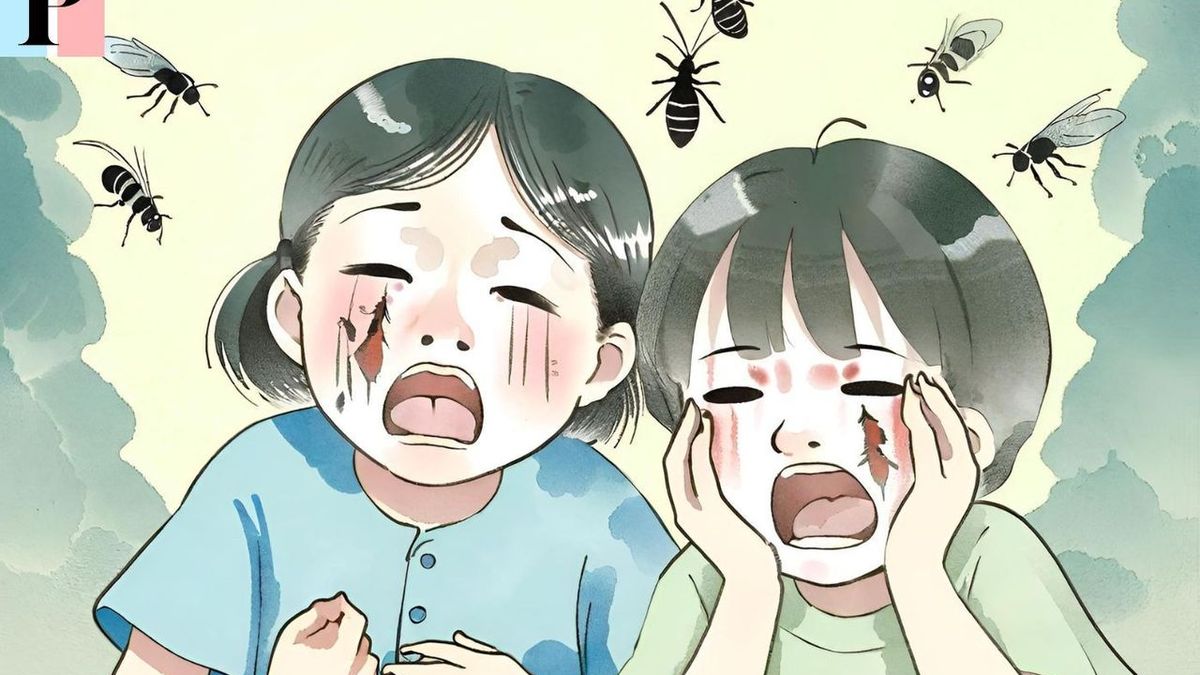
Between 2000 and 2015, 237 people lost their lives following bee or hornet stings. Insect bites are often painful and sometimes dangerous, even for adults. It is therefore right that parents often worry about their grandchildren.
In their state of ignorance and innocence, they are not yet able to protect themselves and even less to treat themselves in the event of a sting. If you also have small children at home, here is a guide that tells you how to prevent and treat insect bites.

Which insects bite?
First of all, it is essential for parents to find out which insect is likely to bite their children. Many insects can appear on this list. But, in general, it is often a hornet sting, a bee sting, an ant sting, a mosquito bite or a wasp sting.Other insects such as bedbugs, horseflies, fleas, harvest mites, crab louse and spiders are also likely to bother you. At the moment, bedbugs are bothering many families in France. You should also know that some insects such as mosquitoes are attracted by the chemical signal reflecting the nature of your blood type. On the other hand, other insects such as wasps or hornets only attack when they feel in danger. How to prevent and treat bites
There are repellents and insecticides to repel and protect against insects. However, they are considered toxic and are often unsuitable for small children who still have tender skin.
It is therefore necessary for parents to take steps and adopt harmless, effective solutions to repel insects. Here are some tips to put into practice to prevent insect bites. Avoid insects when possibleThe best way to protect children from bites is to keep them away from insects. Insects often breed in water. So avoid keeping your children in a place where water is stagnant. At home, eliminate all sources of stagnant water. Do not play with children near ponds and marshes.
So don't let your children go near an insect nest. Better yet, destroy all the wasp and hornet nests that build inside your house. Small children may try to hit the nest with an object or hand at any time. They will certainly get stung in the process. When walking in the forest, please avoid tall grass. Instead, stay on the trails. Teach your children to stay calm when a bee, wasp or hornet appears. Other measuresIf, despite everything, you have to go to a place where there are a lot of
insects, make your children wear a hat, closed shoes and long clothes. It may also be interesting to place an ultrasound device on the child's stroller. These tech gadgets keep critters at bay. You can also use awasp trap not and homemade. At home, you can also plug in a fan. Insects do not have the strength to resist the force of the air. They will therefore stay away from your children's play area. Also avoid scented products and sweet smells which have the ability to attract insects. Finally, some essential oils would have the ability to keep insects at bay. We can cite, among others, soy essential oil, lemongrass essential oil and even lavender essential oil. However, these should never be applied to the child's skin or in the air in their presence. If this solution interests you, spray the essential oil at least an hour before the child returns to the area. How to treat insect bites in children?Despite all these precautions, it can still happen that one of your children is bitten by an insect. Reactions may vary depending on the number of bites, the type of insect and the sensitivity of the little one's skin. But rest assured!
The vast majority of insect bites can be treated at home. Here's how to do it: Reassure the child and try to calm him or her;- Ask the child or look for the stung area yourself;
- Use soap and water to wash the part;
- Place an ice cube wrapped in a damp cloth on the area for 15 minutes (the cold relieves pain, reduces inflammation and itching).
- If necessary, elevate the limb (arm, foot or leg) that was stung. This helps reduce swelling at the sting site.
- Finally, you can give the child painkiller if he has pain where he was stung.