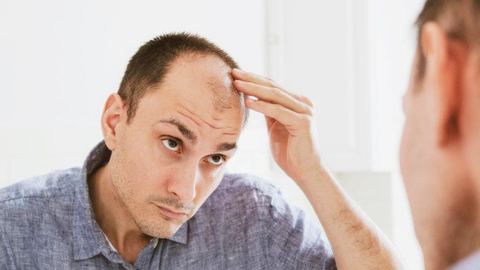
How to manage baldness while maintaining long hair?

The different causes of baldness
Baldness, also known as alopecia, is a common problem that affects many people, both men and women, at different stages of their lives. Several factors can contribute to hair loss, whether genetic, hormonal or related to health conditions. Here is an overview of the main causes of baldness:
1. Hereditary baldness
The main cause of baldness in men is androgenetic alopecia, which is inherited from parents' genes. It is characterized by progressive hair loss, starting at the temples and the top of the head. In women, hereditary baldness manifests itself as a decrease in hair density throughout the scalp.
2. Hormonal imbalance
Hormonal fluctuations can also play a role in hair loss. Sex hormones, such as androgens, can affect hair growth by causing thinning of hair follicles and a reduction in the hair life cycle. Women may experience postpartum hair loss or menopause-related baldness due to the hormonal changes that occur at these times.
3. Stress and illnesses
Physical or emotional stress can lead to temporary hair loss, known as telogen effluvium. This condition usually occurs during a period of intense stress, serious illness, or major surgery. Once the trigger is removed, hair growth resumes normally.
Certain autoimmune diseases, such as alopecia areata, can also cause localized or widespread hair loss. In this case, the immune system attacks the hair follicles, causing hair loss.
4. Poor diet and nutrient deficiencies
A poor diet, including a lack of certain essential nutrients such as protein, B vitamins and minerals like iron, can contribute to hair loss. Hair needs these nutrients to stay strong and healthy. A balanced diet rich in fruits, vegetables, lean proteins and whole grains can promote hair growth.
5. Physical trauma
Physical trauma, such as burns, scars, or scalp injuries, can lead to permanent hair loss. When hair follicles are damaged, they cannot produce new hair.
So there are different factors that can contribute to baldness, whether they are genetic, hormonal or related to health problems. It is important to consult a dermatologist to determine the underlying cause of hair loss and develop an appropriate treatment plan.
Tips for Managing Baldness and Keeping Long Hair
Choosing the Right Haircut Style
When you start to notice hair loss, it is important to choose a cutting style that suits your incipient baldness. Opt for a haircut that is shorter on the sides and back, while still maintaining more length on top. This technique allows you to hide thinning areas and create the illusion of denser hair.
Use suitable products
To prevent baldness and promote hair growth, it is essential to use specific products. Look for shampoos and conditioners that contain hair-beneficial ingredients, such as biotin, salicylic acid, and menthol. These products strengthen the remaining hair and stimulate blood circulation to the scalp, thereby promoting hair growth.
Taking care of your scalp
A healthy scalp is essential for maintaining long hair despite baldness. Massage your scalp regularly with coconut oil or argan oil to stimulate blood circulation and strengthen hair follicles. Avoid harsh hair products and opt for natural care to prevent irritation and itching.
Avoid hairstyles that pull on the hair
Tight hairstyles, such as ponytails or high buns, can worsen baldness by pulling on hair and causing it to fall out faster. Choose looser hairstyles and avoid pulling your hair too much to avoid weakening it even more.
Opt for hair supplements
If you want to keep long hair despite baldness, hair supplements can be an effective solution. There are different types of hair supplements, such as wigs, hairpieces and hair extensions, that can be used to camouflage thinning areas and create the illusion of long, voluminous hair.
Consult a healthcare professional
If you are concerned about your baldness and would like specific advice, do not hesitate to consult a health specialist, such as a dermatologist or trichologist. They will be able to assess the cause of your baldness and recommend the treatments best suited to your situation.
By following these tips, you will be able to manage baldness while keeping long hair. Remember that it's important to accept your baldness and find solutions that make you comfortable and confident in your appearance. Baldness doesn't have to be a hindrance to your lifestyle, so continue to take care of your hair and adopt the mechanisms that suit you best.
Care and treatments to prevent hair loss and promote growth
Hair loss is a common problem that affects many people, both men and women, across the world. Fortunately, there are many treatments and treatments available to help prevent hair loss and promote growth. Here are some practical tips:
1. Eat a balanced diet
A diet rich in essential nutrients is essential for maintaining strong, healthy hair. Make sure you're getting enough protein, vitamins (including A, C, and E), as well as minerals like iron and zinc. Also favor foods rich in omega-3 fatty acids, such as fatty fish, nuts and seeds.
2. Avoid Harsh Chemicals
Excessive use of hair products containing harsh chemicals can damage hair and lead to hair loss. Avoid frequent chemical coloring, perming and straightening. Opt for natural and gentle products, adapted to your hair type.
3. Massage your scalp regularly
Scalp massage stimulates blood circulation, thereby promoting hair growth. Use your fingers to gently massage your scalp for a few minutes each day. You can also use essential oils like peppermint oil or rosemary oil to further increase the benefits of the massage.
4. Protect your hair from external aggressions
Exposed to the sun's UV rays, pollution, wind and other external aggressions, your hair can weaken and fall out more easily. Avoid exposing your hair too much to the sun, wear a hat or use a sunscreen spray for your hair when you're outside. Also avoid using heating tools such as hair straighteners or hair dryers at high temperatures excessively.
5. Use Specific Hair Growth Products
There are many products on the market today that are specifically designed to help prevent hair loss and promote hair growth. Look for products with ingredients like biotin, caffeine, minoxidil, B vitamins, collagen, and keratin. They can help nourish hair follicles and strengthen hair.
6. Consult a healthcare professional
If you are concerned about excessive hair loss, it is recommended to consult a healthcare professional, such as a dermatologist or trichologist. They will be able to determine the underlying cause of the hair loss and recommend appropriate treatment, such as medications, injections or surgery.
Hair loss can be concerning, but there are many steps you can take to prevent hair loss and promote hair growth. Adopting a balanced diet, avoiding harsh chemicals, massaging your scalp regularly, protecting your hair from external aggressions, using specific products and consulting a health professional are all tips to follow to maintain healthy hair. .