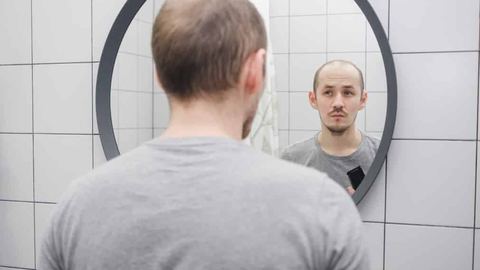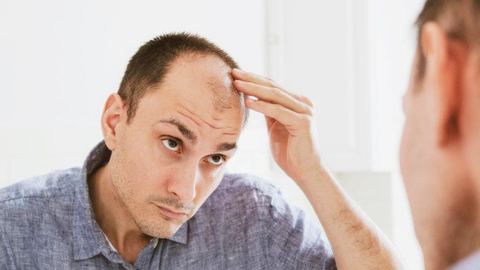
How to effectively combat baldness?

The causes of baldness
Baldness, also known as alopecia, is a problem that affects many people, both men and women. It is characterized by progressive hair loss and can have a significant impact on self-confidence and self-esteem. Understanding the causes of baldness is essential to finding effective solutions. Here are the main causes to take into account:
1. Genetic factors
One of the most common factors that contribute to baldness is genetics. If you have a family history of baldness, there's a good chance you're predisposed to experiencing it as well. Genetically induced pattern baldness is often referred to as “male pattern baldness” in men because it typically manifests as hair loss at the temples and crown of the head. In women, it can manifest as thinning hair on the top of the head.
2. Hormonal imbalance
Hormonal imbalances can also contribute to baldness. As levels of certain hormones, such as testosterone, increase or decrease, it can impact the hair growth cycle. In some cases, this can lead to a decrease in new hair production and an increase in hair loss.
3. Stress
Stress is another factor that can contribute to baldness. High levels of stress can disrupt the hair growth cycle and lead to increased hair loss. Chronic stress can also worsen other hair problems, such as dry scalp and dandruff, which can make baldness more visible.
4. Bad hair habits
Bad hair habits, such as excessive use of hot styling tools, aggressive brushing, and frequent use of harsh chemicals, can also contribute to baldness. These habits can damage hair follicles and lead to gradual hair loss.
5. Diseases and medical treatments
Certain diseases, such as lupus and Hashimoto's thyroiditis, as well as certain medical treatments, such as chemotherapy, can also cause temporary or permanent hair loss. In these cases, baldness is often an unwanted side effect of the treatment or medical condition.
Baldness can have many different causes, and understanding these causes is essential to finding the best possible solution. Whether it's consulting a dermatologist, undergoing medical treatment, adopting good hair habits, or using hair products specifically designed for hair loss, there are many options available to combat baldness. It is important to remember that each person is unique and what works for one person may not work for another. It is therefore recommended to consult a healthcare professional to obtain personalized advice tailored to your specific situation.
Existing treatments
Baldness is a problem that affects many people, both men and women. Fortunately, today there are several treatments to combat this problem and promote hair regrowth. Here is an overview of existing treatments:
1. Minoxidil
Minoxidil is one of the most commonly used treatments for baldness. It is available in the form of lotion or foam to apply directly to the scalp. Minoxidil works by dilating blood vessels in the scalp, which promotes blood flow and stimulates hair regrowth. It is important to note that minoxidil must be used regularly to achieve visible results, and its use must be continued indefinitely to maintain results.
2. Finasteride
Finasteride is a medication that works by blocking the action of the enzyme responsible for converting testosterone into dihydrotestosterone (DHT), a hormone that contributes to the miniaturization of hair follicles. Finasteride is usually taken in tablet form and must be prescribed by a doctor. It is important to note that finasteride is not suitable for women, especially women who are pregnant or who may be pregnant, as it may cause malformations in the fetus.
3. Hair transplantation
Hair transplantation is a surgical solution to treat baldness. This procedure involves taking hair follicles from a donor area (usually the back of the head) and implanting them into balding areas of the scalp. Hair transplantation allows natural and permanent hair regrowth. However, this method may require several sessions and can be expensive.
4. Therapeutic laser
Laser therapy is a relatively new technology used to stimulate hair growth. It uses low-intensity laser diodes to penetrate the scalp and stimulate hair follicles. Laser treatment is painless and can be performed at home using a portable device. However, it is important to note that results may vary from person to person and the treatment must be followed regularly for several months to achieve visible results.
5. Shampoos and hair lotions
In addition to the treatments mentioned above, there are a variety of shampoos and hair lotions specially formulated to stimulate hair growth and strengthen hair follicles. These products may contain ingredients such as vitamins, herbal extracts and substances that promote blood circulation. It is important to note that these products can be used in addition to other treatments, but are generally not sufficient as a sole treatment.
In conclusion, there are several treatments available to combat baldness. It is important to consult a healthcare professional or hair specialist to determine the most appropriate treatment based on your situation. It is also essential to understand that hair treatments often require some time before showing visible results, so it is important to be patient and regular in their use.
Natural treatments to prevent baldness
Baldness is a common problem that can affect both men and women, and can have consequences on self-confidence and self-esteem. Although there are many medical treatments to combat baldness, some prefer to opt for natural treatments to prevent hair loss. In this article, we will introduce you to some of the best natural treatments to help prevent baldness.
Balanced diet
A balanced, nutrient-rich diet is essential for maintaining hair health. Some important nutrients to prevent baldness are vitamins A, B, C and E, as well as minerals such as iron, zinc and magnesium. You can get these nutrients by consuming foods such as green vegetables, fresh fruits, legumes, nuts and oily fish. Remember to drink enough water to maintain proper scalp hydration.
Coconut oil
Coconut oil is one of the best natural treatments to prevent baldness. By regularly massaging your scalp with coconut oil, you can stimulate blood circulation in this area and nourish your hair follicles. Coconut oil is also known for its antibacterial and antifungal properties, which can help fight scalp infections. Apply coconut oil all over your scalp and leave it on for a few hours before washing your hair.
Castor oil
Castor oil is another very effective natural remedy for preventing baldness. Like coconut oil, it improves blood circulation to the scalp and nourishes hair follicles, thereby promoting hair growth. Castor oil is also rich in essential fatty acids that help strengthen hair and prevent breakage. Massage your scalp with castor oil and leave it on overnight before washing your hair the next morning.
Onion juice
Onion juice is a natural ingredient that has antioxidant and antibacterial properties. By applying onion juice to your scalp regularly, you can stimulate blood circulation, promote hair growth and reduce hair loss. You can make onion juice by blending some onions and using a sieve to extract the juice. Apply onion juice all over the scalp and leave it on for 30 minutes before washing your hair.
Preventing baldness can be a challenge, but by using these natural treatments you can boost the health of your hair and prevent excessive shedding. It is important to note that these natural treatments take time to show results, so patience is essential. If you notice persistent or excessive hair loss, it is recommended to consult a specialist for a professional diagnosis. Take care of your scalp and hair with these natural treatments and find healthy, abundant hair.
Practical advice for better coping with baldness
Accept your baldness
The first step to better coping with your baldness is to accept change. It is important to understand that baldness is a natural condition that can affect men of any age. Accepting your baldness allows you to live better with it and take steps to mitigate its impact.
Adopt good hair hygiene
Even if you have gone bald, it is essential to take care of your scalp and remaining hair. Wash your scalp regularly with a mild shampoo and moisturize it with a suitable conditioner. Avoid excessive use of styling products that can weigh hair down and accentuate the appearance of baldness.
Opt for a suitable cut
Choosing a suitable haircut can help you better manage your baldness. Consult a professional hairstylist who can advise you on the best cut for your hair type and face shape. Sometimes a shorter or completely shaved cut can be more advantageous and give a more modern look.
Use suitable hair products
There are hair products specifically designed for men with baldness. Hair powders and thickening sprays can give the appearance of greater hair density by camouflaging bald areas. Additionally, strengthening and anti-hair loss products can help prevent remaining hair from falling out and strengthen those that are already present.
Protect your scalp from the sun
As the scalp is exposed to the sun's UV rays, it is important to protect it adequately. Use a hat, beanie or cap when you are exposed to the sun. You can also apply a suitable sunscreen to your scalp to prevent sunburn and UV damage.
Consider medical treatments
If you are really concerned about your hair loss, there are medical treatments that can help slow down hair loss or encourage hair regrowth. Consult a dermatologist who can offer solutions tailored to your situation, such as prescribing specific medications or recommending surgical treatments such as hair transplants.
Eat a balanced diet
A balanced diet rich in essential nutrients is beneficial for the health of your hair. Make sure you are getting enough protein, vitamins (especially vitamins A, B, C, and E), minerals (such as iron and zinc), and essential fatty acids. These elements promote hair growth and contribute to overall health.
Take care of your overall health
Taking care of your overall health is important for maintaining the beauty of your hair. Avoid excessive stress, which can contribute to hair loss. Exercise regularly, get enough sleep, and avoid toxic behaviors such as smoking and excessive alcohol consumption. All of these healthy lifestyle habits have a positive impact on the condition of your hair.
Finding Support
Coming to terms with your baldness can be difficult at times. If you feel the need to talk about your concerns and share your experiences with others in the same situation, don't hesitate to look for online support groups or associations that are dedicated to baldness. Interacting with other people can help you live better with your baldness and find solutions that are tailored to your individual needs.
Feeling good about yourself
Self-confidence is the key to better coping with baldness. Take care of yourself, adopt a positive attitude and value your other qualities and personal assets. Baldness should not define your self-esteem. Be proud of who you are, hair or not, and find ways to feel good about yourself.
With these practical tips, you can better cope and live with your baldness. Accept yourself as you are and remember that beauty is not limited to hair. Find your unique style and build your confidence, while taking care of your scalp and remaining hair. By doing this, you can continue to feel good about yourself, despite baldness.