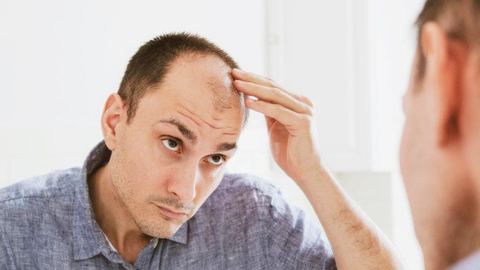
How to effectively combat baldness in men?
Causes of baldness in men
Baldness is a common problem among men, affecting around 50% of them at some point in their lives. It can be caused by several factors, including genetic, hormonal and environmental. Understanding the causes of baldness can help find effective solutions to prevent and treat it.
Genetic factor
The main cause of baldness in men is heredity. Specifically, a genetic sensitivity to a hormone called dihydrotestosterone (DHT) is often involved. This hormone is derived from testosterone and can cause miniaturization of the hair follicle, leading to reduced hair growth.
If you have a family history of baldness, it is very likely that you are genetically predisposed to male pattern baldness. However, it is important to note that genetics are not the only factor at play and other factors can also contribute to hair loss.
Hormonal imbalance
Hormones play a crucial role in regulating hair growth. Hormonal imbalance can lead to hair loss in men. For example, overproduction of DHT can inhibit hair growth and cause baldness.
Other hormones, such as testosterone and estradiol, may also play a role in hair loss. Therefore, hormonal disorders such as polycystic ovarian syndrome in women, or certain thyroid disorders in men, can cause baldness.
Environmental factors
Environmental factors can also play a role in male pattern baldness. Exposure to certain chemicals, such as lead, mercury, and pesticides, can damage hair follicles and lead to hair loss.
Additionally, lifestyle habits, such as smoking, excessive alcohol consumption, and an unbalanced diet, can also contribute to baldness. A poor diet can lead to a deficiency in essential nutrients for hair health, such as B vitamins, zinc and iron.
Stress and psychological factors
Emotional stress and psychological factors can also contribute to male pattern baldness. Chronic stress can disrupt hormonal balance and lead to hair loss.
Additionally, certain stress-related behaviors, such as hair pulling or excessive scalp scratching, can damage hair follicles and lead to baldness.
Baldness in men can be caused by several factors, including genetic, hormonal, environmental and psychological. It is important to understand the causes of baldness in order to be able to choose the most suitable solutions to prevent and treat this problem.
If you are genetically predisposed to baldness, it is recommended to consult a hair specialist or dermatologist to discuss treatment options, such as medications, herbal treatments, hair transplants or laser therapy. Additionally, adopting healthy lifestyle habits, such as a balanced diet, regular exercise, and stress management, can also help maintain hair health.
Medical treatments available
Topical medications
Topical medications are one of the most commonly used methods to combat male pattern baldness. These products are applied directly to the scalp and can help stimulate hair growth and slow hair loss.
Minoxidil is one of the most popular topical medications for treating male pattern baldness. It is available as a lotion or foam to be applied twice a day. Minoxidil is effective in slowing hair loss and stimulating regrowth. It can be used at any stage of baldness.
Finasteride is another topical medication commonly prescribed to combat male pattern baldness. It is taken in tablet form once a day. Finasteride works by inhibiting the production of DHT, a hormone linked to baldness. It may help slow hair loss and promote hair growth in some men. However, it should be noted that finasteride may have unwanted side effects in some patients.
Laser therapy
Laser therapy is a non-invasive method that uses light to stimulate hair regrowth. This procedure can be performed in-clinic or at home using an FDA-approved laser therapy device.
Laser treatment stimulates inactive hair follicles and improves blood circulation to the scalp, which promotes hair growth. Laser therapy has been shown to be effective in slowing the progression of baldness and stimulating hair regrowth in some men. However, results may vary from person to person and regular treatment is necessary to maintain results.
Hair transplant
Hair transplantation is a more invasive but very effective option for treating male pattern baldness. This procedure involves taking hair follicles from a donor area (usually the back of the head) and transplanting them onto the balding areas.
Hair transplantation creates natural and permanent results. However, it requires surgery and may take several sessions to achieve the desired results. It is important to consult an experienced professional to ensure you get the best results.
There are several medical treatment options available to combat baldness in men. Whether you opt for topical medications, laser therapy, or hair transplantation, it is important to consult a healthcare professional to determine the best treatment for you. Everyone responds differently to treatments and it is therefore essential to find the one that best suits your condition.
By combining these medical treatments with healthy lifestyle changes, such as a balanced diet, stress management and proper hair care, you can maximize results and maintain healthy, thick hair.
Aesthetic solutions to hide baldness
Wigs and hair extensions
If you are looking for a quick and effective solution to hide your baldness, wigs and hair extensions are an option to consider. Wigs come in a variety of colors and styles, allowing you to choose a look that suits your style and personality. Hair extensions, on the other hand, are used to add length or volume to existing hair. They can be fixed permanently or temporarily, depending on your preferences and needs.
Hair camouflage
Hair camouflage is a method of concealing baldness that uses specially designed products to thicken existing hair and hide thinning areas. These products are usually in the form of sprays, powders, or colored creams, and are applied directly to the scalp or hair to create the illusion of more hair. Hair camouflage is a temporary solution and must be reapplied regularly to maintain the desired effect.
Scalp Micropigmentation
Scalp micropigmentation, also known as hair tattooing, is a technique that involves mimicking hair follicles using special pigments to create the appearance of shaved hair or hair density. In this process, pigments are injected into the upper layers of the scalp skin, giving the illusion of short hair or hair. This method is ideal for those who prefer a permanent solution and want a more shaved or trimmed look.
Hair Transplant
Hair transplantation is a more invasive but highly effective solution to mask baldness. This surgical procedure involves harvesting hair follicles from a donor area (usually the back or sides of the head) and implanting them into the balding areas. The transplanted hair follicles will continue to produce hair naturally, giving the appearance of full, natural hair growth. Hair transplantation is a permanent solution and requires a recovery period, but the results are often very satisfactory.
Medications and Topical Treatments
Some people choose to treat baldness with medications and topical treatments. Finasteride, for example, is an oral medication that can slow hair loss in some men. Topical lotions containing minoxidil are also commonly used to stimulate hair growth. It is important to note that these treatments may vary in effectiveness from person to person, and they generally require continued use to maintain results.
In conclusion, there are many aesthetic solutions to hide baldness. Whether you opt for wigs, hair extensions, hair camouflage, dermopigmentation, hair transplantation or medical treatments, it is important to find the solution that best suits your needs, your lifestyle and your needs. your budget. With technological and medical advances, it is possible to regain a confident and aesthetic hair appearance.
Tips to prevent baldness
Baldness is a common problem among men and can be a source of aesthetic and psychological concerns. However, there are ways to prevent baldness or at least slow its progression. Here are some effective tips for maintaining thick, healthy hair.
1. Adopt a balanced diet
What you eat can have a significant impact on the health of your hair. A diet rich in essential nutrients such as vitamins A, B, C, D, and E, as well as minerals and omega-3 fatty acids, stimulates hair growth and maintains hair health. Recommended foods include green vegetables, fruits, nuts, seeds, oily fish, and eggs. It is also important to limit your intake of sugars and saturated fats that can harm your scalp and hair follicles.
2. Avoid stress
Stress is often linked to hair loss. During times of high stress, your body releases hormones that can affect the life cycle of your hair, leading to premature hair loss. To minimize the effects of stress, incorporate relaxing activities into your daily routine, such as meditation, yoga, walking, or any other leisure activity that helps you relax.
3. Protect your hair from the sun
Excessive exposure to the sun can damage hair and cause hair loss. It is therefore essential to protect your scalp and hair from UV rays by wearing a hat or using a sunscreen spray specially designed for hair. Also, make sure not to expose your head to the sun for long periods of time.
4. Use the right hair care products
Choosing the right hair products can help prevent baldness. Opt for gentle shampoos and conditioners that are gentle on the scalp. Avoid products that contain harsh chemicals, such as sulfates and parabens, which can damage hair and hair follicles. Also, use moisturizing conditioners and masks to nourish and strengthen your hair.
5. Avoid tight hairstyles and harsh styling products
Tight hairstyles, braids, buns and ponytails can put excessive traction on hair follicles and cause them to weaken. Likewise, styling products such as gels and hairsprays that contain harsh ingredients can damage hair. Favor looser hairstyles and use natural, gentle styling products.
6. Consult a specialist in case of excessive hair loss
If you notice excessive hair loss or signs of baldness, it is essential to consult a specialist, such as a dermatologist or trichologist. These professionals will be able to assess the underlying cause of hair loss and recommend appropriate treatment, such as medication, hair transplantation, or other available options.
By following these simple but effective tips, you can prevent baldness and maintain healthy, thick hair. Remember that patience is key, as results may take time to show. Take care of your hair and scalp, and don't hesitate to seek advice from a hair health professional for personalized recommendations.