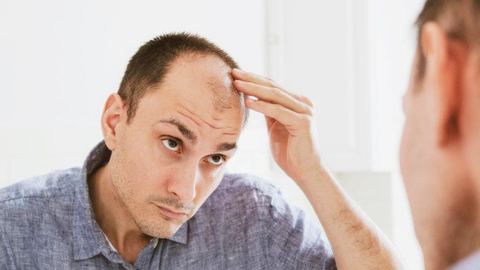
How to effectively combat baldness?

The causes of baldness
Genetic
The most common cause of baldness, known as androgenetic alopecia, is largely attributed to genetic factors. If your parents or grandparents experienced hair loss, it's likely that you will experience it too. This form of baldness is linked to hormonal changes and the sensitivity of hair follicles to a hormone called dihydrotestosterone (DHT). Men are more likely to be affected by this form of baldness, but it can also affect women.
Hormonal imbalance
Hormonal imbalances can also contribute to baldness. Hormones such as estrogen, progesterone and testosterone play a crucial role in hair health. When these hormones are out of balance, it can lead to hair loss. Certain medical conditions such as polycystic ovarian syndrome in women and excessive testosterone production in men can cause hormonal imbalance and lead to baldness.
Stress and trauma
Physical and emotional stress can impact hair health and potentially cause baldness. Stressful situations, such as serious accidents, major surgeries, significant emotional losses, or prolonged periods of stress, can trigger a phenomenon called telogen effluvium. It is essentially a prolonged resting phase of the hair follicles, which can lead to significant hair loss.
Poor diet
An unbalanced diet low in essential nutrients can also contribute to baldness. Deficiencies in iron, zinc, B vitamins, protein and essential fatty acids can weaken hair and lead to excessive shedding. Excessive consumption of saturated fats and sugars can also make the condition worse by disrupting hormones and promoting inflammation, which can damage hair follicles.
Medicines and medical treatments
Certain medications and medical treatments can cause hair loss. Treatments such as chemotherapy, radiation therapy, and certain medications used to treat conditions like arthritis, depression, and heart problems can lead to temporary or permanent alopecia. It is important to discuss the potential side effects of any medical treatment with your doctor.
Diseases and medical conditions
Certain illnesses and medical conditions can also cause baldness. Conditions such as thyroiditis, lupus, scalp infections, seborrheic dermatitis, and autoimmune diseases can impact hair health and lead to hair loss. In these cases, it is important to treat the underlying medical condition to reduce hair loss and promote hair growth.
Bad hair practices
Excessive use of harsh hair products, such as hair dyes, perms or straighteners, as well as wearing tight hairstyles like braids or buns, can damage hair follicles and lead to traction baldness. It is essential to take care of your hair and minimize the use of products and techniques that could weaken it.
In conclusion, baldness can have many causes, ranging from genetic factors and hormonal imbalances to stress and diet. It is important to identify the underlying cause of baldness so that it can be treated appropriately. If you are concerned about hair loss, it is recommended to consult a hair health professional for an accurate diagnosis and personalized recommendations.
Existing treatments
Baldness, whether male or female, can be a source of concern and embarrassment for many people. Fortunately, today there are various treatments that can slow down or even stop hair loss and promote its regrowth. Here is an overview of the main solutions available:
1. Minoxidil
Minoxidil is one of the most commonly used treatments to combat baldness. It is available in the form of lotion or foam to apply directly to the scalp. Minoxidil works by dilating blood vessels, which promotes blood circulation to the hair follicle and thus stimulates hair regrowth. It is typically used twice daily and may take several months to show visible results.
2. Finasteride
Finasteride is a medication that works by blocking the action of an enzyme responsible for converting testosterone to dihydrotestosterone (DHT). DHT is strongly linked to baldness as it tends to shrink hair follicles, thereby leading to hair loss. Finasteride therefore helps reduce the effects of DHT, which helps maintain existing hair and promote its growth. It is usually taken in tablet form once a day.
3. Hair transplant
Hair transplantation is a surgical technique that involves removing hair follicles from a donor area (usually at the back of the head) and replanting them in balding areas. This procedure allows permanent hair regrowth and gives natural results. However, it is more invasive than other treatments and requires a longer recovery period.
4. Laser treatments
Laser treatments use low-level light to stimulate hair regrowth. This technique is painless and non-invasive. It works by increasing blood circulation to the scalp, which promotes hair growth. Laser treatments can be performed in a professional clinic or at home using portable devices.
5. Hair products
In addition to medical treatments, there are also many hair products available on the market that can help improve the appearance of thinning hair. Shampoos, lotions and serums containing ingredients such as caffeine, zinc, biotin or essential oils may have beneficial effects on scalp health and hair quality.
In conclusion, there are several treatments available to combat baldness. As each person is unique, it is recommended to consult a hair specialist or dermatologist to determine which treatment is best suited to your situation. Whether it's medications, surgery, or hair products, it's important to understand the benefits, risks, and expected results of each solution before making a choice. Remember that perseverance is often necessary, as treatments may take time to produce visible effects. Don't let baldness discourage you, there are solutions to help you regain healthy, abundant hair.
Tips to combat baldness
Baldness is a problem that affects many men and women around the world. Although it can be difficult to completely prevent hair loss, there are tips and approaches you can take to slow the process and stimulate hair regrowth. In this article, we will present some effective recommendations to combat baldness.
1. Eat a balanced diet
A good diet is essential for maintaining healthy hair. Be sure to eat a variety of foods rich in vitamins and minerals, such as fresh fruits and vegetables, lean proteins, whole grains, and healthy fats. Certain specific nutrients, like biotin, zinc, and B vitamins, can promote hair growth and prevent hair loss.
2. Avoid Harsh Hair Products
Many hair products, such as styling products that contain harsh chemical ingredients, can damage hair and cause premature hair loss. Avoid overloading your hair with harsh chemicals and opt for natural, gentle alternatives to maintain the health of your hair.
3. Wash your hair carefully
When washing your hair, make sure you do it gently. Use a mild shampoo and avoid scrubbing your scalp vigorously, as this can damage your hair follicles. Rinse thoroughly to remove any product residue and do not rub them too hard while drying them with a towel.
4. Massage your scalp regularly
Scalp massage can stimulate blood circulation and promote hair growth. You can gently massage your scalp with your fingers for a few minutes every day. This technique helps release tension and stimulate hair follicles for healthier regrowth.
5. Avoid excessive stress
Stress can have a negative impact on the health of your hair. Try to reduce your stress levels by doing relaxing activities like yoga, meditation, or walking outdoors. Stress management techniques can not only help you feel better mentally, but also help prevent hair loss.
6. Consult a specialist
If you are suffering from severe baldness or notice significant hair loss, it is best to consult a hair specialist. A professional will be able to assess the cause of your baldness and offer you appropriate treatments, such as medications, food supplements or hair transplant solutions.
Baldness can be frustrating, but there are steps you can take to combat this problem. By eating a healthy diet, avoiding harsh hair products, taking care of your scalp, and reducing stress, you can encourage hair regrowth and slow hair loss. Do not hesitate to consult a specialist to obtain personalized advice and consider treatments adapted to your situation.