How to choose the right emergency generator for your home?
Why have an emergency generator at home?
Why have an emergency generator at home?
In our modern society, where we are increasingly dependent on electricity for our daily comfort, it is important to prepare for a possible power outage. Whether due to natural disasters such as storms or hurricanes, or in the event of technical problems on the electricity network, a power outage can occur at any time and cause numerous inconveniences. This is why it is a good idea to have an emergency generator at home.
1. Ensure a continuous electricity supply
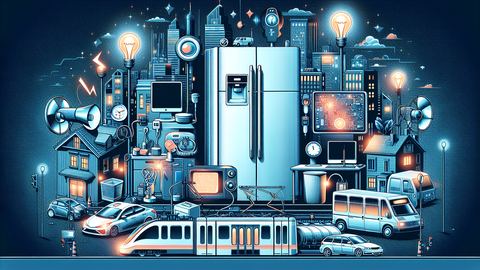
One of the main benefits of an emergency generator is that it helps keep electricity running in your home, even during a widespread power outage. This means you will be able to continue using your essential electrical appliances such as the refrigerator, water pump, heating system or air conditioning, as well as medical devices needed by some members of your family. In addition, you will be able to keep your food fresh and avoid any deterioration.
2. Guarantee your safety
In the event of a prolonged power outage, your home can become a dangerous environment. Without electricity, you could find yourself in complete darkness, increasing the risk of falls or accidents. By adding an emergency generator, you can avoid these dangerous situations by maintaining necessary lighting in your home. You will also be able to power security systems such as alarm systems or surveillance cameras, providing increased protection for you and your family.
3. Preserve your daily comfort
A power outage can quickly become very uncomfortable, especially if it happens in the middle of summer or winter. Without electricity, you could be without air conditioning or heating, which can make your home uninhabitable. An emergency generator will allow you to run these devices, ensuring optimal comfort no matter the conditions outside. You will also be able to continue to use your electrical devices such as your television, computer or phone chargers, which will allow you to stay connected and informed.
4. Flexibility and mobility
Some emergency generators are portable, which means that you can take them with you in the event of an evacuation or move to another location. This can be especially useful if you live in an area prone to natural disasters and need to leave your home temporarily. A portable generator will allow you to continue to power your essential devices no matter where you are.
In conclusion, having an emergency generator at home is a practical and effective solution to deal with power outages. It will allow you to maintain a continuous electricity supply, guarantee your safety, preserve your daily comfort and benefit from the necessary flexibility in the event of an evacuation. Make sure you choose a generator that is suited to your needs by learning about the different brands available on the market. Prepare yourself now and be ready to face any unforeseen situation.
The criteria to consider when choosing the right generator
The criteria to consider when choosing the right generator
When considering purchasing a generator for your home, it is important to consider some key criteria to ensure you choose the right equipment. A generator can be an effective solution in the event of a power outage or other emergency situations, but it is essential to choose the one that will best meet your specific needs. In this article, we will look at the main criteria to take into account to help you make an informed choice.
1. Power required
The first major consideration when choosing a generator is how much power you actually need. The power of a generator is measured in watts and should be enough to power all the equipment you want to use in the event of a power outage. To determine the power required, make a list of the devices you plan to power and check their power consumption. Be sure to take into account both the startup consumption and the operating consumption of each device. Once you have the numbers, add them up to get the total power needed for your generator.
2. Fuel type
Generators can run on different types of fuel, such as gasoline, diesel, or propane. The choice of fuel type will depend on personal preference, fuel availability in your area, and intended use. Gasoline is commonly used in small portable generators, while diesel is often used in larger models. Propane is also a popular option for its ease of long-term storage.
3. Autonomy
The runtime of a generator refers to the length of time it can run without needing to be refueled. Runtime will depend on the capacity of the fuel tank and the generator's consumption. If you plan on using it for extended periods of time during a power outage or emergency situations, it may be a good idea to choose a generator with a longer runtime.
4. Noise
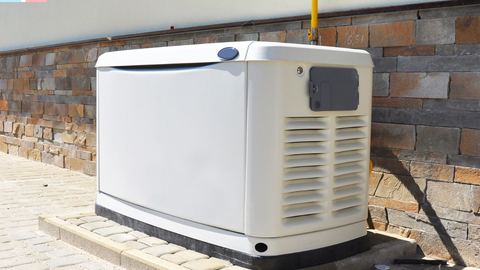
The noise level of a generator is an important factor to consider, especially if you plan on using it in a residential environment. Quieter generators often come with advanced soundproofing technologies, such as soundproof enclosures or noise barriers. It is important to check the manufacturer's noise level before purchasing a generator.
5. Ease of Start
How easy a generator is to start is another factor to consider. Some models are equipped with automatic start systems, which allow the generator to start automatically as soon as it detects a power outage. Other models may require manual starting, usually by pulling a starter cord. Choose a generator with a starting system that fits your skills and preferences.
6. Quality and Durability
The quality and durability of a generator are also important criteria to consider. It is essential to choose a generator made by a reputable and reliable brand, which guarantees high quality and a long service life. Check customer reviews and look for information on the manufacturer's warranty to ensure you make the right choice.
Conclusion
Choosing a generator for your home is not a task to be taken lightly. By taking into account key criteria such as power requirements, fuel type, range, noise level, ease of starting, quality and durability, you can be sure to choose the right equipment to meet your needs. specific needs. Remember to also consider your budget and make comparisons between different models before making a purchasing decision.
The different generator options available on the market
The different generator options available on the market
When you want to invest in a generator for your home, it is important to take into account the different options available on the market. Whether you need a backup power source in the event of a power outage or want to power electrical devices during outdoor activities, there are several types of generators to choose from. In this article, we'll review the main options and give you practical advice to help you make the right choice for your needs.
Gasoline generator
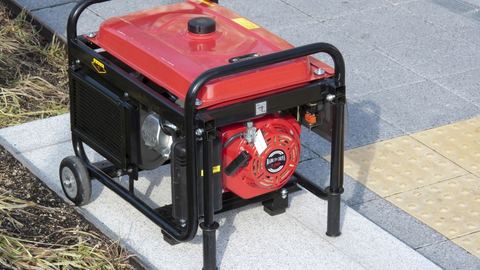
The gasoline generator is one of the most popular options on the market. It runs on gasoline and is generally more affordable than other types of generators. However, using gasoline may make this device less practical, as you will need to store and transport additional fuel. Additionally, gasoline generators tend to be noisier than other types, which can be a disadvantage if you need quiet during an emergency situation. For occasional use or for small energy needs, a gasoline generator can be an interesting option.
Diesel generator
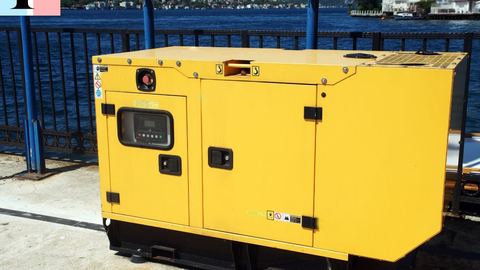
Diesel generators are known for their energy efficiency and reliability. They are often used in industrial and commercial sectors due to their ability to produce a large amount of electricity. Although diesel generators are more expensive to purchase, they are generally more cost effective in the long run due to their lower fuel consumption. In addition, they are often quieter than gasoline generators. If you need a durable and reliable source of backup power, a diesel generator may be an option to consider.
Solar generator
The solar generator is an eco-friendly option that uses the sun's energy to produce electricity. It is powered by solar panels that convert sunlight into electrical energy. This option is ideal if you want to reduce your carbon footprint and save on energy costs in the long term. However, it should be noted that solar electricity production is highly dependent on weather conditions. During sunny days you will benefit from a clean and free source of energy, but cloudy or rainy days can affect electricity production. If you live in an area with good sunlight, a solar generator may be an attractive option for you.
Inverter generator
The inverter generator is considered one of the most modern and advanced options on the market. It uses sophisticated technology that produces high quality power, without voltage fluctuations. This makes it ideal for sensitive electronic devices such as computers, televisions and smartphones. Additionally, inverter generators are generally more compact, lighter and quieter than other types of generators. However, they are also more expensive. If you want to protect your expensive electronics or need a portable generator, an inverter generator can meet your needs.
In conclusion, choosing a generator depends on your specific needs and your budget. Each type of generator has its own advantages and disadvantages. Take the time to assess your energy needs, geographic location and intended use in order to choose the generator that suits you best. Remember to consider factors such as power generation capacity, fuel consumption, noise level and model-specific features. Finally, do not hesitate to consult a professional for additional advice and to make an informed decision.
Practical advice for installing and using the generator
Practical advice for installing and using the generator
When a power outage occurs, a generator can be extremely useful in maintaining the power supply to your home. However, it is essential to correctly select and install this equipment to ensure safe and effective use. In this article, we provide you with practical advice to help you install and use your generator.
Choosing the right generator
The first step is to choose a generator that suits your needs. Here are some things to consider:
1. Power: Calculate the power required based on the devices you want to power. Be sure to choose a generator with enough power to support the total load.
2. Fuel type: Generators can run on gasoline, diesel, natural gas or propane. Take into consideration the availability and cost of fuel to make the best choice.
3. Autonomy: The operating time of the generator depends on its fuel capacity. Opt for a model with enough battery life to cover your needs during a prolonged power outage.
Installation of the generator
Once you have chosen your generator, it is important to install it correctly. Here are some recommendations to follow:
1. Location: Place the generator outside in a well-ventilated area to prevent carbon monoxide buildup. Make sure it is protected from the elements and resting on a stable, flat surface.
2. Electrical connections: Connect the generator to your electrical panel using a suitable cable or a quality extension cord. Remember to respect safety rules and properly insulate connections.
3. Start-up: Carefully follow the manufacturer's instructions to start your generator safely. Check oil and fuel levels regularly and perform recommended maintenance.
Use of the generator
Once your generator is correctly installed, here are some tips for using it:
1. Power priorities: Identify the essential devices you want to power first. It is recommended to prioritize heating, refrigeration, lighting and communication systems.
2. Load management: Distribute the devices to be powered so as not to exceed the maximum power of the generator. Use power strips with surge protection for better load management.
3. Regular maintenance: Perform regular maintenance on your generator following the manufacturer's instructions. Clean air filters, check spark plugs, and replace oil and filters as recommended.
By following these practical tips, you will be able to install and use your generator safely and efficiently. Do not hesitate to consult renowned brands like XYZ Or ABC to obtain quality and reliable products.
Remember, preparation is essential in the event of a power outage. So make sure you have a sufficient stock of fuel, spark plugs and spare parts for your generator.