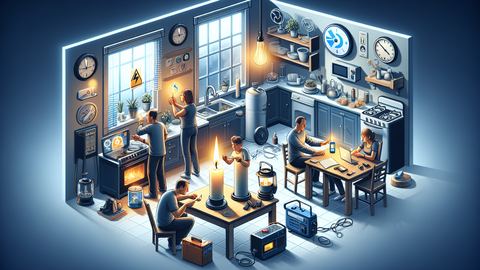
How does electrical power influence our daily lives?
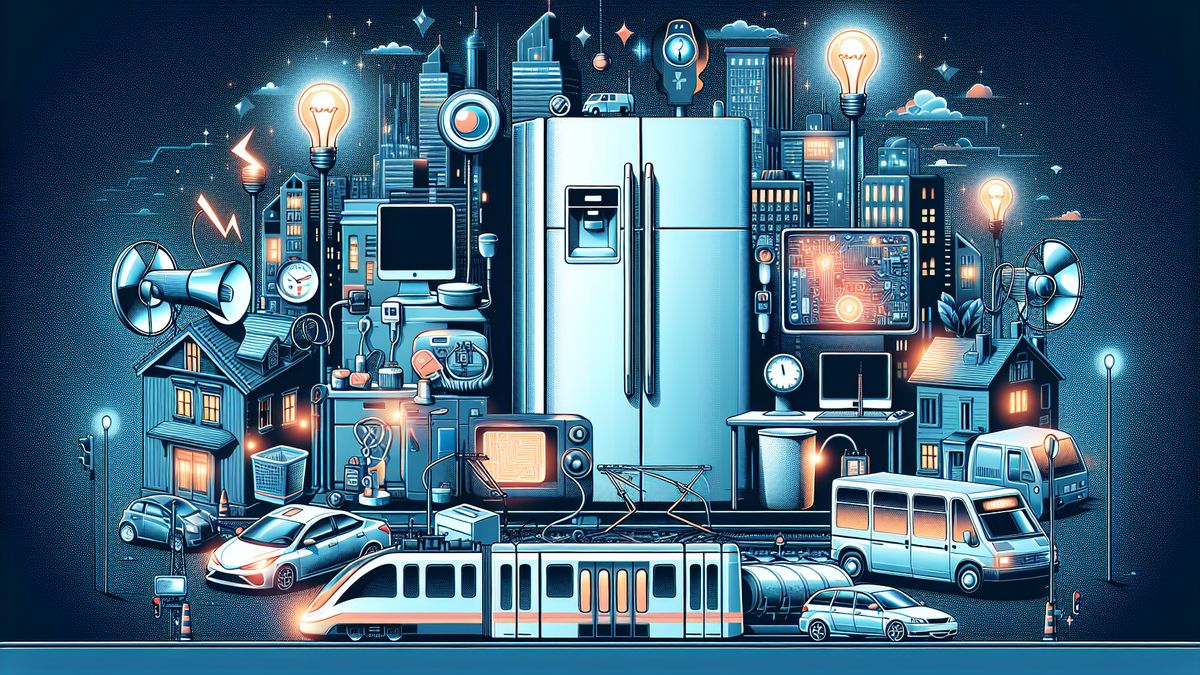
Electric power in our homes
Electric power in our homes
Electricity has become an essential element of our daily lives. Whether it's to light our homes, power our appliances, or charge our cell phones, we rely on electricity to lead our modern lives. The electrical power that enters our homes is a precious resource and its efficient use has become a major issue in reducing our impact on the environment.
The evolution of electricity consumption
Over the decades, electricity consumption in our homes has increased significantly. With the emergence of new technologies and the rise of electronic devices, our energy needs have grown exponentially. Previously, homes were primarily powered by electricity for lighting, but today we also use electricity for heating, cooling, cooking food, washing clothes and much more.
Electrical power management
In order to meet our growing electricity needs, it is essential to efficiently manage the electrical power in our homes. This includes measuring our consumption, optimizing our lifestyle habits and using energy-efficient appliances.
Simple steps to reduce our electricity consumption:
- Turn off lights and electronic devices when we are not using them.
- Use low energy consumption bulbs, such as LED lamps.
- Regulate the temperature of our thermostat to avoid energy waste.
- Use power strips with switches to easily turn off multiple devices at the same time.
- Insulate our homes to limit heat and air conditioning losses.
The benefits of renewable energy
To reduce our carbon footprint and protect our environment, it is also important to turn to renewable energy sources. By using solar panels, wind turbines or geothermal heating systems, we can produce our own electricity sustainably. Additionally, some energy providers offer green electricity deals that ensure that the electricity we consume is produced from renewable sources.
Brands that offer renewable energy solutions:
- Engie offers green electricity offers for individuals and businesses.
- Enercoop is a 100% renewable and cooperative electricity supplier.
- Direct Energy develops wind farms in France to provide ecological electricity to its customers.
The electric power of tomorrow
The transition to more responsible use of electricity in our homes is a trend that continues to grow. Governments, businesses and individuals are working together to find innovative solutions that will reduce our carbon footprint while enjoying the benefits that electricity can offer.
In conclusion, the electrical power in our homes is a vital resource that we must manage carefully. By reducing our electricity consumption, using renewable energy sources and adopting more sustainable lifestyle habits, we can help preserve the environment while enjoying the many benefits of electricity.
The impact of electrical power on our equipment
The impact of electrical power on our equipment
Electricity has become an essential component of our modern lives. We use it to power our household appliances, technology gadgets, work tools and many other equipment. However, electrical power can have a significant impact on the proper functioning of this equipment. In this article, we will explore the different aspects of this impact and how to take it into account to preserve our devices.
1. Electrical voltage
Electrical voltage, measured in volts (V), is one of the main factors determining the impact of electrical power on our equipment. Most electrical devices are designed to operate at a specific voltage. Too low or too high voltage can damage this equipment. It is therefore essential to ensure that the electrical voltage supplied by the network complies with the requirements of our equipment.
| Nominal voltage | Tolerated tension |
| 220V | ±10% |
| 110V | ±10% |
2. Power surges
Surges are brief, rapid spikes in electrical voltage that can occur in the electrical network. These power surges can damage sensitive equipment, such as computers, televisions and refrigerators. To protect these devices, it is recommended to use surge protection devices, such as surge protectors.
3. Starting currents
Some equipment, such as refrigerators, air conditioners and electric motors, require high starting current when turning on. This initial current, also called inrush current, can be several times higher than the rated current. Not all electrical devices are capable of handling these high starting currents, which can lead to malfunctions and premature aging of this equipment.
4. Frequency variations
Electrical frequency, measured in hertz (Hz), represents the number of cycles per second of alternating current. In many countries the frequency is 50 Hz, but there are countries where it is 60 Hz. Some sensitive equipment, such as electric clocks, timekeeping devices, and musical instruments, may be affected by frequency variations. It is important to check whether our equipment is suitable for the frequency of the local electricity network.
5. Electricity quality
In addition to the technical aspects mentioned above, the quality of electricity can also have an impact on our equipment. Phenomena such as voltage variations, frequency fluctuations, power outages and electromagnetic disturbances can cause operational problems and reduce the life of our equipment.
In conclusion, it is essential to take into account the different aspects of electrical power to preserve our equipment. Ensuring that the electrical voltage meets the requirements of our devices, using surge protection devices, accounting for high starting currents, checking frequency compatibility and monitoring power quality can help prolong the lifespan of our equipment. Be careful and protect your devices from the harmful effects of electrical power.
Challenges and opportunities related to electric power
Electric power is a major issue in our modern society. It is omnipresent in our daily lives and plays an essential role in many sectors such as industry, transport, and even the domestic domain. However, this electrical power also presents significant challenges, particularly in terms of supply, network management and environmental impact. Despite these challenges, it also offers numerous opportunities in terms of technological innovation and energy transition. In this article, we will explore the challenges and opportunities related to electric power.
The challenges of electric power
- Electricity supply
- Management of electrical networks
- Electricity storage
- Environmental impact
The opportunities of electric power
- Technological innovation
- Energy transition
- Energy efficiency
- Electrification of transport
In conclusion, electric power presents both major challenges and opportunities for our society. It is important to address the challenges related to supply, network management, storage and environmental impact, while seizing the many opportunities offered by technological innovation, energy transition, energy efficiency and the electrification of transport. It is essential to invest in sustainable solutions and promote responsible use of electrical power to help build a cleaner and more secure energy future.