What to do in the event of a power outage: the essential actions to adopt?

The most common causes of power outages
The most common causes of power outages
A power outage can occur at any time and can cause a lot of inconvenience. It is therefore important to understand the most common causes of these failures in order to be able to deal with them effectively. In this article, we will introduce you to the main reasons why a power outage can occur.
1. Bad weather
Adverse weather conditions are among the leading causes of power outages. Storms, high winds, heavy snow, intense rain and lightning can damage power lines and cause power outages. Trees toppled onto electrical wires or damaged poles can also cause these outages.
2. Problems on the electricity network
Power outages can also be caused by problems on the power grid itself. Overloads, short circuits, insulation faults or malfunctions in transformers can lead to power outages. In some cases, maintenance or repair work on the network can also cause planned outages.
3. Outages at the local level
Power outages may also be limited to a specific geographic area, due to local issues such as damaged wiring, blown fuses, or faulty circuit breakers. These faults are often resolved more quickly than general faults because they require less time and resources to repair.
4. Failures due to overload
Excessive use of electricity can also lead to power outages. When too many appliances are used simultaneously and the demand for electricity exceeds the capacity of the circuit, circuit breakers may trip to prevent overloads. It is therefore advisable to distribute the use of electrical appliances throughout the house in order to avoid this type of problem.
5. Breakdowns caused by equipment breakdowns
Finally, power outages can also be caused by faults or failures of individual electrical equipment. Problems with the electric meter, main circuit breaker, fuses, or electrical outlets can cause power outages to a specific part of the house.
It is important to note that some power outages can be resolved by following a few simple steps, while others may require the intervention of a professional electrician. In any case, it is essential to follow safety rules, such as turning off the power supply in the event of a problem and avoiding touching bare electrical wires.
In conclusion, the most common causes of power outages are severe weather, power grid problems, local outages, electrical overloads, and individual equipment failures. By being aware of these causes, it is possible to take the necessary steps to minimize the risk of power outages and be prepared in the event of an incident.
Essential actions to take in the event of a power outage
Essential actions to take in the event of a power outage
In our daily lives, we have become dependent on electricity for many tasks. When a power outage occurs, it can cause a lot of inconvenience. To deal with this situation, it is important to know the essential actions to adopt. Here is a detailed guide that will help you deal with a power outage safely and efficiently.
1. Prepare in advance
It is essential to prepare in advance in the event of a power outage. Here are some simple steps you can take to prepare yourself:
- Gather an emergency kit including flashlights, spare batteries, a battery-powered radio, and candles with matches.
- Identify the location of circuit breakers and fuses in your home.
- Make sure you have a supply of drinking water and non-perishable food.
- Charge all your electronic devices in advance.
2. Secure your home
In the event of a power outage, it is important to secure your home to avoid any accidents or incidents. Here are some steps to take:
- Avoid using candles, thus risking fires. Instead, favor the use of flashlights.
- Unplug all electrical appliances to avoid surges when power returns.
- Close the refrigerator and freezer doors to keep food fresh.
- Avoid opening and closing doors frequently to maintain the temperature of your home.
3. Manage your lighting
When a power outage occurs, it is important to manage your lighting efficiently. Here are some tips:
- Use battery-powered flashlights and lanterns rather than other less safe light sources.
- If you use candles, place them in stable candle holders and keep them away from any flammable objects.
- Save energy by using only the lighting needed in the rooms you use.
4. Keep in touch with the outside world
In the event of a power outage, being able to stay connected to the outside world is crucial. Here are some tips for this:
- Use a battery-powered radio to stay informed with the latest news.
- Keep your cell phone charged and use it sparingly to save battery life.
- If necessary, use your car to charge your electronic devices using a cigarette lighter socket.
5. Avoid incidents during power outage
When a power outage occurs, it is wise to adopt certain precautions to avoid any accident or incident. Here's what you can do:
- Never leave burning candles unattended.
- Be careful when using electrical generators and make sure they are working properly.
- Never handle electrical wires with bare hands and leave complex interventions to professionals.
In conclusion, in the event of a power outage, it is essential to prepare in advance, secure your home, manage your lighting, stay connected to the outside world and avoid any incidents. By following these essential actions, you will be able to deal with a power outage with complete peace of mind and safety.
Use of emergency equipment
Use of emergency equipment
1. Essential emergency equipment
Emergency equipment is an essential tool for dealing with an emergency situation. Here is a list of essential emergency equipment to have at home:
- A fire extinguisher: it is essential to have a fire extinguisher on hand in the event of a fire. Make sure you choose a fire extinguisher suitable for your type of home and maintain it regularly.
- A first aid kit: in the event of a minor injury, a well-equipped first aid kit can be very useful. Be sure to check product expiration dates regularly and replenish your kit if necessary.
- A flashlight: in the event of a power outage, a flashlight is essential to find your way in the dark. Opt for an LED flashlight, it is more energy efficient and more durable.
2. What to do in an emergency
In addition to having the right emergency equipment, it is important to know how to use it correctly. Here are some actions to take in an emergency:
- In the event of a fire, use your fire extinguisher aiming at the base of the flames. Always keep a safe distance and remember to contact emergency services.
- In case of injury, use your first aid kit to clean and disinfect the wound before bandaging it. If the injury is serious, call for help immediately.
- In the event of a power outage, use your flashlight to move around safely. Avoid using candles, as they can be dangerous if forgotten or dropped.
3. Recommended brands
There are many brands of emergency equipment on the market. Here are some reputable brands in the field:
- Firexo : specialized in fire extinguishers and extinguishing products, this brand offers innovative and efficient solutions.
- Physiodose : recognized for the quality of its health products, this brand offers a wide range of first aid kits adapted to all needs.
- MAGLITE : leader in the field of flashlights, this brand offers robust, durable and efficient products.
It is important to choose brands known for their reliability and effectiveness.
4. Conclusion
In summary, the use of emergency equipment is crucial to dealing with an emergency situation. Make sure you have the essential equipment at home and know how to use it correctly. Do not hesitate to invest in brands recognized for their quality. By taking appropriate actions, you can contribute to your safety and that of your loved ones. Be careful and prepared in all circumstances.
Preparation and prevention for dealing with power outages
Preparation and prevention to deal with power outages
Power outages are situations we all face at some point. Whether due to bad weather, work on the electricity network or a technical failure, it is important to be prepared and take the necessary measures to deal with a power outage. In this article, we offer you a complete guide on the different preparations and prevention measures to adopt in such situations.
1. Build an emergency kit
When you find yourself without power, it's essential to have an emergency kit on hand. This should contain the following elements:
- Battery-powered flashlights or lanterns, as well as spare batteries.
- Candles and matches in a safe place.
- A portable charger to keep your cell phone and other electronic devices charged.
- Bottled water and non-perishable food.
- A portable radio to stay informed of the latest updates.
2. Regularly check your electrical equipment
One of the main causes of power outages is overloading the power grid. Make sure all your electrical appliances are in good working order and show no signs of overheating. Regular maintenance of your equipment, such as air conditioners or refrigerators, can save you a lot of hassle.
3. Invest in a generator
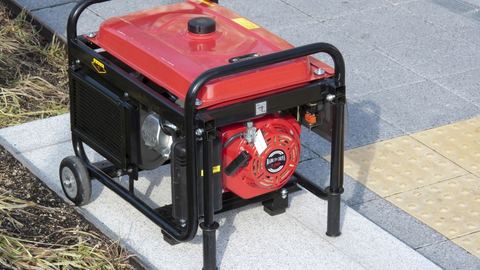
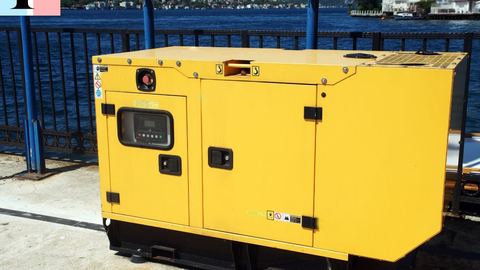
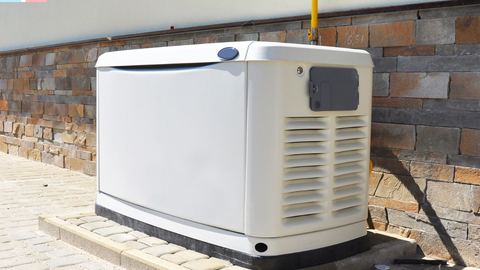
If you live in an area prone to frequent or prolonged outages, it may be wise to invest in a generator. This will allow you to keep certain essential appliances running, such as refrigerators, water pumps or heating systems. Make sure the generator is properly installed and operating safely.
4. Avoid the risks associated with candles
Candles are often used as an alternative light source during a power outage. However, it is important to use them with care to avoid any risk of fire. Place the candles on stable supports away from any flammable materials. Never leave them unattended and turn them off before leaving the room.
5. Be aware of the dangers of carbon monoxide poisoning
Some households use generators or space heaters during long power outages. It is imperative to use them outdoors or in a well-ventilated area to avoid any risk of carbon monoxide poisoning. Also be sure to install carbon monoxide detectors in your home for optimal prevention.
By following these preparation and prevention tips, you will be better prepared to deal with power outages. Don't forget to make your family and loved ones aware of these measures to ensure their safety. Remember, preparation is the key to dealing with any emergency.