How to choose the best silent generator?
The different selection criteria
The different selection criteria
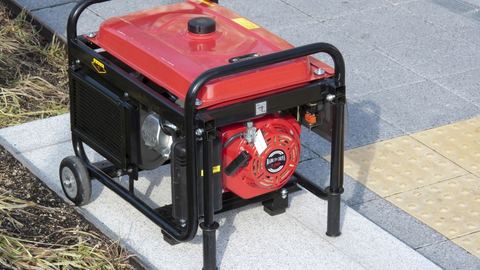
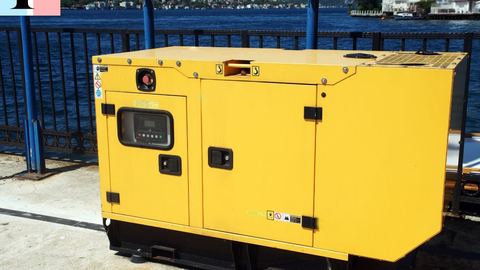
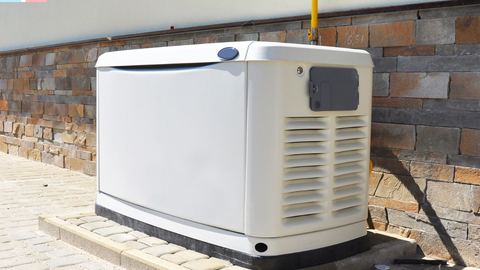
When it comes to choosing a generator, it is important to take into account several criteria in order to find the equipment that best suits your needs. Whether you need a backup source of energy in the event of a power outage or want to power power tools on a construction site, here are the different criteria to consider.
Power
Power is one of the most important criteria when choosing a generator. It is essential to know the maximum wattage you need to power your equipment. Typically, a generator will be labeled with its maximum power expressed in watts. Be sure to take into account occasional starts or overloads, especially for electrical equipment such as motors.
Fuel type
Generators can run on different types of fuel such as gasoline, diesel or gas. Each type of fuel has its advantages and disadvantages. For example, diesel generators generally have better energy efficiency and are more durable, but they can be noisier. Choose the fuel type based on your preferences and local availability.
Autonomy
Autonomy is an important criterion, especially if you plan to use your generator for long periods without power supply. The autonomy will depend on the capacity of the fuel tank and the consumption of the generator. Consider how much fuel you have or are willing to store, as well as your needs for continuous use time.
Noise level
If you use your generator in a noise-sensitive environment, it is recommended to choose a model with a low noise level. Some generators are specially designed to be quiet, with sound insulation materials. Check the manufacturer's specifications for the sound level in decibels (dB).
Ease of use and maintenance
It is best to choose a generator that is easy to start and use. Some features such as electric start or user-friendly control panels make daily use easier. Additionally, be sure to consider generator maintenance requirements, such as regularly replacing air and fuel filters.
Popular brands
There are many brands of generators on the market. Among the most popular brands, we often find Caterpillar, Honda, Briggs & Stratton, Generac, to name just a few. These brands are renowned for the quality and reliability of their products, but it is important to take into account the specificities of each model.
In conclusion, when choosing a generator, it is essential to take into account several criteria such as power, type of fuel, autonomy, noise level, ease of use and maintenance. Make sure you find the equipment that best suits your specific needs.
Power according to your needs
Power according to your needs
When you're looking for a generator, it's essential to consider wattage based on your specific needs. Indeed, the power of the generator must be adapted to the use you wish to make of it, whether for domestic, professional or industrial use. In this article, we will guide you through the different wattages available and give you tips on choosing the one that best suits your needs.
Power according to your needs
The power of a generator is measured in kilowatts (kW) and corresponds to the electrical energy production capacity of the device. There are different powers available on the market, ranging from a few kilowatts to several tens of kilowatts. To determine the power you need, it is important to take into account several criteria such as:
1. Power consumption: assess the power required based on the devices you want to power. List all the equipment you will use simultaneously and note their wattage. Then add these wattages together to get the total wattage required for your needs.
2. The type of use: if you want to power sensitive devices such as computers or medical equipment, you will need to opt for a generator equipped with an inverter (Inverter) which guarantees a stable power supply without surges.
3. Duration of use: if you need to use the generator for long periods, or continuously, it is advisable to opt for a model with a large capacity fuel tank in order to minimize interruptions for filling.
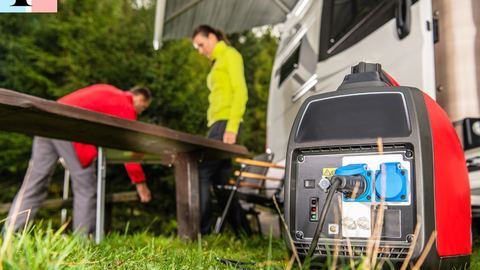
4. Noise level: if you need a generator for use in a noise-sensitive environment, such as camping or an outdoor event, it is recommended to choose a model with low noise emission, often called silent generator.
5. The brand and quality: it is important to choose a generator from a reputable and quality brand. Some brands, such as **brand name**, are known for their reliability and performance. Opting for these brands ensures better longevity of the equipment.
Summary table of recommended powers according to your needs:
| Devices | Power required |
| Individual house | 2 to 5 kW |
| Business/Commerce | 5 to 15 kW |
| Construction site | 15 to 50 kW |
| Outdoor events | 2 to 10 kW |
In conclusion, choosing the right power for your generator is essential to ensure that it will meet your power supply needs. Take the time to evaluate your consumption and use these criteria to select the power that best suits your use. Don't forget to choose a quality generator, preferably from a recognized brand, to guarantee optimal performance and increased longevity.
Fuel consumption and range
Fuel consumption and range
When choosing a generator, one of the most important factors to consider is the fuel consumption and range it offers. Indeed, these two elements are essential to guarantee efficient and reliable operation of your generator, whether for domestic or professional use.
Understanding fuel consumption
The fuel consumption of a generator is measured in liters per hour (L/h). This measurement indicates how much fuel the generator consumes to produce a certain power output. The higher the power output, the greater the fuel consumption will be.
It is important to choose a generator whose fuel consumption corresponds to your real needs. If you are using the generator to power only essential appliances, you can opt for a model with lower fuel consumption. However, if you need to supply electricity to a large number of energy-hungry appliances or equipment, it is better to choose a generator with higher fuel consumption, to ensure sufficient autonomy.
Calculate the autonomy of a generator
The range of a generator depends on its fuel tank capacity and fuel consumption. To calculate the runtime of a generator, simply divide the fuel tank capacity by the fuel consumption per hour. For example, if a generator has a tank capacity of 40 liters and a fuel consumption of 2 L/h, its autonomy will be 20 hours (40 L / 2 L/h = 20 h).
It is essential to estimate your electricity needs to determine the necessary autonomy of your generator. If you need to continuously power appliances for a long time, it is better to choose a generator with large fuel tank capacity and low fuel consumption. This will allow you to enjoy extended range without having to constantly refill the fuel tank.
The most economical brands of generators
Certain brands of generators stand out for their reduced fuel consumption and extended autonomy. Among these brands, we can cite:
- Honda: known for its highly efficient and fuel-efficient generators.
- Yamaha: offers a range of generator sets with low fuel consumption, while maintaining reliable performance.
- Generac: offers fuel-efficient generators, suitable for domestic or professional use.
- Champion: offers generators with extended autonomy and reduced fuel consumption.
It is recommended to take these brands into account when looking for an economical and reliable generator in terms of fuel consumption and autonomy.
In conclusion, fuel consumption and range are essential factors to consider when choosing a generator. By understanding your needs in terms of power output and runtime, you will be able to choose a generator that will efficiently meet your needs while maintaining reasonable fuel consumption.
Quiet and safety features
Quiet and safety features
When it comes to choosing a generator, two essential features must be considered: silence and safety. Indeed, these two elements are essential to guarantee the proper functioning of the equipment and ensure the user's peace of mind.
The silence
One of the main disadvantages of traditional generators is their high noise level. However, today, many manufacturers have developed models of silent generators, specially designed to reduce noise pollution.
The quietness characteristics of a generator depend on several factors, such as the type of engine used, the sound insulation of the housing or the design of the exhaust system. Quiet generators have been designed to operate quieter than traditional models, with sound levels ranging from 50 to 65 decibels or even lower.
The advantages of a silent generator are multiple. In addition to reducing noise pollution, these models are also more environmentally friendly. They make it possible to work in noise-sensitive environments, such as residences, hospitals or offices, without disturbing the comfort of the occupants.
Safety
Besides silence, safety is a crucial aspect when choosing a generator. Using a generator involves some potentially dangerous risks, such as electric shock, fire or toxic gas fumes. This is why it is essential to choose a generator with advanced safety features.
Here are some safety features to consider when choosing a generator:
- Electrical overload protection: Make sure the generator has an electrical overload protection device, such as a circuit breaker, to avoid the risk of electrical damage or fire.
- Automatic shutdown in case of low oil levels: Check if the generator is equipped with an automatic shut-off in case of low oil levels. This helps prevent engine damage and avoids accidents.
- Efficient cooling system: Make sure the generator has an effective cooling system to prevent the engine from overheating.
- Protection against gas emissions: Opt for a generator with an efficient exhaust system and adequate ventilation to reduce the risks associated with toxic gas emissions.
It is also important to follow safety instructions when installing and using a generator. Be sure to read the user manual carefully and follow all manufacturer recommendations.
In conclusion, when choosing a generator, it is essential to consider the quiet and safety features. Opt for quiet models to minimize noise pollution, while favoring those with advanced safety features to ensure user peace of mind. Remember to follow the safety instructions provided by the manufacturer and properly install your generator.