How to Choose the Best Mobile Generator for Your Needs?
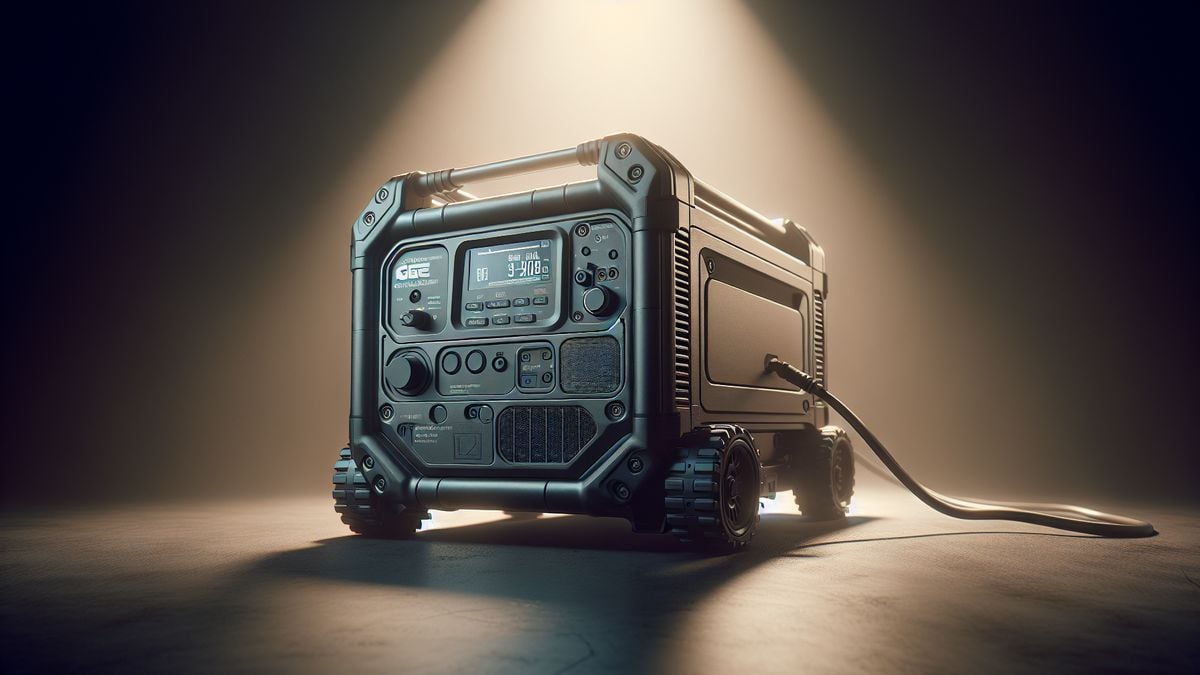
The criteria to take into account when choosing a mobile generator
The criteria to take into account when choosing a mobile generator
When it comes to choosing a mobile generator, it is essential to consider several criteria in order to find the best option that will meet your specific needs. Whether for professional, domestic or emergency use, here are the main aspects to consider before making your choice.
Power
Power is an essential criterion in choosing a mobile generator. It is important to accurately calculate the power required based on the devices you want to power. Be sure to consider both the starting power and the continuous operating power of the equipment. To do this, identify their respective powers, then add them to obtain the total power required. Then choose a mobile generator whose electricity production capacity is greater than this total power.
Fuel type
There are different types of fuel used in mobile generators, such as gasoline, diesel, natural gas, and propane. Each type of fuel has its own advantages and disadvantages. Gasoline is generally easier to find and less expensive, but it has a limited shelf life. Diesel offers better fuel efficiency and longer storage life, but is more expensive. Natural gas and propane are clean and environmentally friendly, but they require specific installation. Choose the type of fuel that best suits your needs and situation.
Autonomy
Runtime is an important consideration, especially if you plan to use your mobile generator for extended periods of time or in situations where fuel access may be limited. Check the fuel tank capacity and estimated runtime at full load. Choose a mobile generator that offers enough runtime to meet your needs.
Portability
Portability is a crucial consideration if you need to move your mobile generator frequently. Check the weight, dimensions, and carrying features such as handles and wheels. A compact and lightweight mobile generator will be easier to transport and store.
Noise Level
The noise level emitted by a mobile generator can vary greatly depending on its power and design. If you plan to use your mobile generator in noise-sensitive areas, such as a residential area, a campsite, or a construction site near a hospital or school, it is important to choose a model with a reduced noise level.
Reliability
The reliability of a mobile generator is essential, especially in emergency situations where you depend on its proper functioning. Look for reputable brands and quality models with good ratings and positive user feedback. Also, make sure that the mobile generator has protective features such as surge protection, overload protection, and automatic oil-outage shutdown.
By taking these main criteria into account, you will be able to choose a mobile generator that will meet your needs in terms of power, fuel, autonomy, portability, noise level and reliability. Take the time to compare the different options available on the market and select the one that will best suit your situation. A reliable mobile generator will be a valuable investment in ensuring you have continuous power supply when it is needed.
The different types of mobile generators available on the market
Portable generators
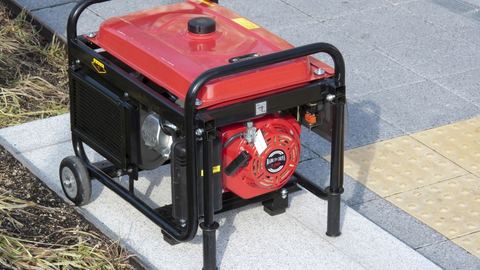
Portable generators are compact and easy to transport, making them ideal for mobile use. They are often used in construction sites, outdoor events and campgrounds. These generators are typically powered by gasoline or diesel and can provide power ranging from a few hundred watts to several kilowatts. They are equipped with standard power outlets to easily connect your electrical devices.
Inverter generators
Inverter generators are designed to provide high-quality, stable power supply. They use advanced technology to produce clean, steady current, making them perfect for sensitive electronic devices such as computers, televisions and medical equipment. These generators are also compact and lightweight, making them easy to transport. They are available in a range of sizes and wattages to meet different needs.
Inverter Generators
Inverter generators are similar to inverter generators in terms of the technology used. They also produce high-quality, stable current, but are generally more powerful and larger than inverter generators. These generators are suitable for commercial and residential uses, and are capable of powering large appliances and equipment such as air conditioning systems, refrigerators and water pumps.
Solar generators
Solar generators use solar energy to generate electricity. They are environmentally friendly and do not require fuel to operate. These generators are equipped with solar panels that capture energy from the sun and convert it into electricity. They are quiet, produce no emissions and are perfect for outdoor use, such as camping or RV travel. Solar generators can be used to power small electrical appliances such as cell phones, lamps and portable refrigerators.
Gas generators
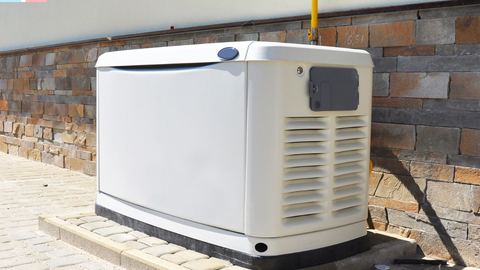
Gas generators use propane or natural gas to produce electricity. They are often used as emergency power sources for homes and businesses. These generators are quieter than gasoline or diesel generators, and produce fewer emissions. They are also easy to use and maintain. Gas generators can be connected to a stationary gas supply or use portable gas cylinders to operate.
Diesel generators
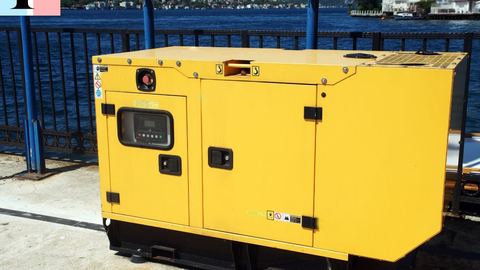
Diesel generators are known for their durability and energy efficiency. They are useful in industrial applications, construction sites and emergency situations. These generators can provide continuous power for long periods of time and are capable of handling heavy loads. They are often used as a backup power source in hospitals, data centers and critical businesses. Diesel generators require regular maintenance and are noisier than other types of generators.
Hybrid generators
Hybrid generators combine multiple energy sources to produce electricity. They can use a combination of solar, gas, diesel or other energy sources. Hybrid generators offer greater flexibility and increased energy efficiency. They are ideal for applications where access to a single power source is limited or where fuel availability is an issue. These generators are often used in remote areas or temporary installations.
Power and autonomy: two essential elements to consider
Power: a key criterion for choosing a mobile generator
When it comes to choosing a mobile generator, power is one of the main criteria to consider. The power of a generator is expressed in kilowatts (kW) and represents the amount of electrical energy it can produce. It is important to choose a generator whose power is adapted to your specific needs.
The power required depends on several factors:
- The nature of the equipment to be powered: electrical devices have different power requirements. For example, a generator powering only basic equipment such as lights and small appliances will not require the same power as a generator powering more powerful equipment such as industrial machinery.
- The starting power of equipment: certain equipment, such as electric motors, require a higher starting power than their consumption at nominal speed. It is essential to take this starting power into account when choosing a suitable generator.
It is recommended to choose a generator with a power slightly higher than your needs in order to plan for possible additional needs in the future. However, it is important not to choose a generator with excessively high power compared to your needs, as this could lead to overconsumption of fuel and wasted energy.
Autonomy: a key factor for prolonged use
Autonomy is another essential element to take into account when choosing a mobile generator. The autonomy of a generator is the length of time it can operate without needing to be refueled.
Several factors influence the autonomy of a generator:
- The fuel tank: the capacity of the fuel tank will determine the amount of fuel that the generator can store. A generator with a larger tank will have greater autonomy.
- Fuel consumption: the fuel consumption of a generator is generally expressed in liters per hour (L/h). It is important to know the fuel consumption of the generator to estimate its autonomy. Lower fuel consumption means greater range.
It is essential to estimate your autonomy needs based on the length of time you want to use the generator without having to refill it with fuel. If you need extended runtime, it may make sense to choose a generator with a larger tank capacity and lower fuel consumption.
Power and autonomy are two essential elements to take into account when choosing a mobile generator. It is important to choose a generator with a power adapted to your specific needs, taking into account the nature of the equipment to be powered and their starting power. In addition, it is essential to estimate your autonomy needs based on the length of time you want to use the generator without having to refuel it. Taking these two criteria into account will allow you to choose a mobile generator that will effectively meet your energy needs, whether for residential, industrial or outdoor use.
Additional options and features to consider when choosing
When choosing a mobile generator, it is important to consider not only the power and reliability of the device, but also additional options and features that can make its use more convenient and efficient. In this article, we explore some of the most common options to consider when purchasing a mobile generator.
1. Electric start
Electric start is a very convenient feature that allows the generator to be started with the push of a button, rather than having to pull a manual starter rope. This option is ideal for people who prefer to avoid manual pull-ups or who have physical strength issues. Make sure you choose a model with a reliable, easy-to-use electric start.
2. Control screen
A clear, easy-to-read control display is essential for monitoring the performance of your mobile generator. Make sure the control screen displays important information such as power output, fuel level, operating hours, electrical voltage and any alarms. This will help you keep an eye on the operating parameters and detect any possible problems quickly.
3. Automatic voltage regulator (RAV)
Automatic voltage regulator (AVR) is a feature that helps maintain a constant electrical voltage, even when the load varies. This prevents voltage or current spikes that could damage your sensitive devices. A quality RAV is essential if you plan to power sensitive electronic equipment or high-tech devices.
4. Automatic shutdown in case of overload
This feature is extremely important to protect your mobile generator and connected devices from damage caused by overloading. Auto Overload Shutdown automatically interrupts current output when the load exceeds the generator's maximum capacity, preventing breakdowns and overheating. Be sure to check the maximum load capacity of the generator and choose a model with this feature.
5. Remote start socket
The remote start plug is a convenient accessory that allows you to start or turn off your generator remotely, without having to travel to the unit. This can be particularly useful when using the generator in hard-to-reach places or when it is installed in a noisy or dangerous area.
6. Mobile phone control system
Some brands now offer mobile generators with a remote control system via a mobile application. This allows you to monitor and control the status of the generator from your smartphone or tablet, wherever you are. This feature provides great flexibility and allows you to stay connected to your generator at all times.
Additional options and features can greatly improve the experience of using a mobile generator. Take the time to consider your specific needs and choose a model that offers the options that work best for you. Don't forget to check out reputable brands such as Honda, Generac And Yamaha who offer a wide range of mobile generators with additional quality features.