How to choose the best industrial generator for your business?
What is an industrial generator?
What is an industrial generator?
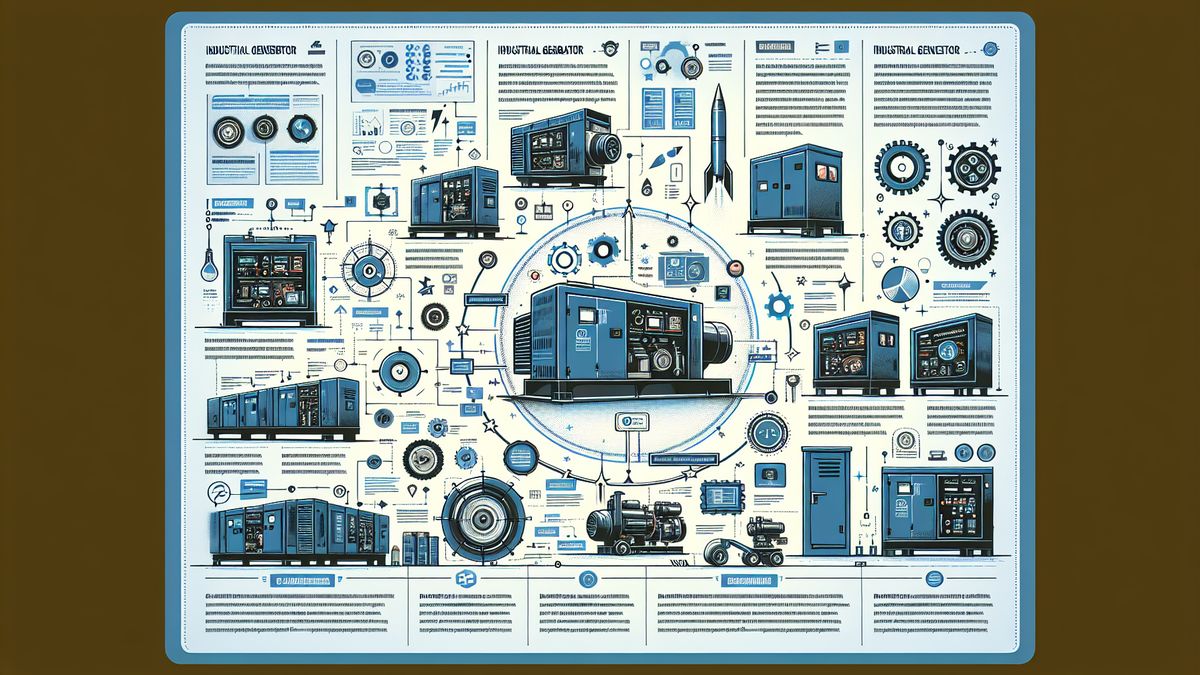
An industrial generator is a machine that produces electricity autonomously, without being connected to the public electricity grid. It is often used in industrial, commercial sectors and in areas where access to electricity is limited. This device is composed of a thermal engine, which can run on gasoline, diesel or natural gas, and a generator that converts the mechanical energy of the engine into electricity.
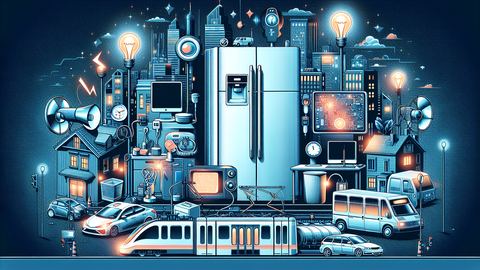
Industrial generators can be used as a primary source of electricity in industrial buildings, shopping centers, hospitals or temporary facilities such as construction sites. They can also be used as a backup power source in the event of a power outage, ensuring business continuity and the safety of sensitive equipment.
The different types of industrial generators
There are different types of industrial generators, each adapted to specific needs. Here are some examples:
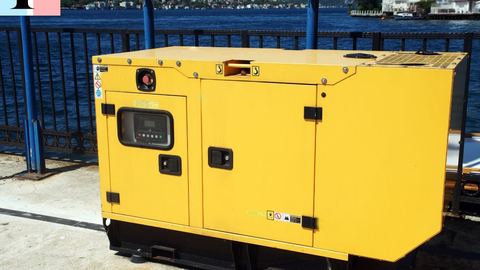
1. Diesel Generators: These generators are the most commonly used in industry due to their reliability, durability, and energy efficiency. They are often used for high-power applications and require regular maintenance.
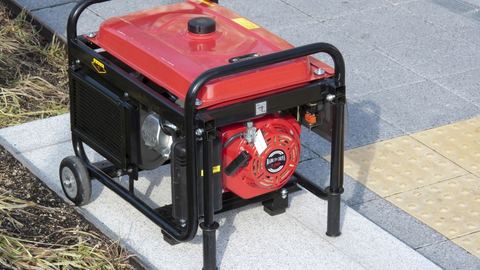
2. Gasoline Generators: These generators are typically more compact and less powerful than diesel versions. They are used in light-duty applications, such as small construction sites or outdoor events.
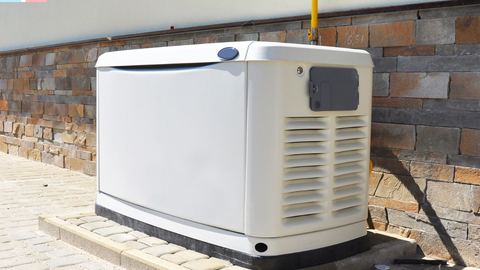
3. Natural Gas Generators: These generators run on natural gas as fuel, making them more environmentally friendly and economical to use. They are often used in medium to high power applications.
4. Soundproof generators: These generators are designed to reduce the noise generated by the engine and generator. They are ideal for use in noise sensitive areas, such as residential areas or hospitals.
How to choose the right industrial generator?
When choosing an industrial generator, it is important to consider different factors to ensure that it will meet the specific needs of your business. Here are some key things to consider:
1. Power: determine the power required based on the equipment you want to power. It is recommended to provide a safety margin to cope with a possible increase in electrical load.
2. Fuel Type: Choose the fuel type that best suits your business based on availability, cost and environmental regulations.
3. Autonomy: assess the duration of autonomy required in the event of a power outage. Some generators are equipped with larger fuel tanks for extended runtime.
4. Noise: if noise is an issue, opt for a soundproof generator which will reduce noise pollution.
5. Brand and Reliability: Choose a reputable brand, such as X Or Y, which offers quality products and reliable after-sales service.
In conclusion, an industrial generator is an essential piece of equipment to ensure reliable electricity supply in industrial and commercial sectors. By carefully considering your specific needs and choosing the right type and brand of generator, you can ensure business continuity and the safety of your equipment, even in the event of a power outage.
The criteria for choosing the best industrial generator
Power
The power of the generator is the first criterion to examine. It is important to determine the electricity needs of your business in order to choose a suitable generator. To do this, you must evaluate the power according to the devices you want to power. It is also important to anticipate future needs in order to opt for equipment capable of responding to your developments.
Energy source
There are several types of industrial generators depending on the energy source used. The most common run on diesel, gasoline or gas. The choice of energy source will depend on various factors such as cost, availability and local regulations. For example, if you have access to a natural gas supply, it may be beneficial to opt for a gas-powered generator.
Starting capacity
The starting capacity of the generator is another important criterion to take into account. Some devices, such as electric motors, require higher starting power than their rated power. It is therefore necessary to choose a generator capable of providing this starting power. Otherwise, you may encounter problems such as voltage fluctuations or overloads.
Energy efficiency
Energy efficiency is a crucial element in reducing operating costs and environmental impact. In fact, an efficient industrial generator will consume less fuel to produce the same amount of energy. It is therefore recommended to choose equipment equipped with advanced technologies that optimize fuel consumption and reduce harmful gas emissions.
Reliability and durability
The reliability and durability of a generator are essential to ensure continuity of power supply. It is recommended to opt for reputed and reliable brands in the industrial equipment sector. Brands like Generac, Caterpillar Or Cummins are widely recognized for the quality of their generators. It is also necessary to consider regular maintenance and spare parts available to ensure the durability of the equipment.
Quiet and safe
In certain work environments, noise level can be an important criterion. It is therefore advisable to choose an industrial generator equipped with technologies to reduce noise pollution. Safety is also a point that should not be neglected. It is best to opt for equipment that has overload, short circuit, and overvoltage protection systems to avoid any potential problems.
In conclusion, choosing the best industrial generator depends on several criteria such as power, energy source, starting capacity, energy efficiency, reliability, durability, noise level and safety. It is recommended to carefully assess your needs and call on experts to guide you in your choice. Take the time to compare the different brands and models available on the market to find the equipment that will best meet your requirements.
The power your business needs
When it comes to choosing a generator for your business, determining how much power you need is essential. The power of a generator is expressed in kilowatts (kW) and is determined by the electricity demand of your equipment.
The power needed for your equipment
To begin, it is important to make a list of all the equipment you want to power with your generator. For each piece of equipment, identify the power required in kilowatts. This information can usually be found on the devices' nameplates or in their user manual.
Once you have identified the power required for each piece of equipment, add these values together to obtain the total power required. It is recommended to add a safety margin of approximately 20% to anticipate possible additional or future needs.
The choice of generator
Once you have determined the power needed, you can choose the generator that suits your needs. Different models are available on the market, offering a range of powers from a few kilowatts to several megawatts.
It is important to choose a generator that has a slightly higher power rating than required. This ensures optimal operation of the generator and avoids any risk of overloading.
Be sure to also consider other features of the generator, such as fuel consumption, noise level, ease of maintenance, and brand reliability.
The most common brands of generators
There are many brands of generators on the market, offering different options and features. Here are some of the most well-known brands:
- Caterpillar: Caterpillar is a renowned manufacturer of generator sets, offering a wide range of models suited to industrial needs.
- Honda: Honda offers compact and portable generators, ideal for occasional use or in remote locations.
- Kohler: Kohler is a trusted brand, offering durable, high-performance generators for commercial and industrial applications.
It is recommended to research the different brands thoroughly before making a decision. Read user reviews and compare features to choose the brand that best meets your specific needs.
Determining the power needed for your business is essential to choosing the right generator. Make a list of equipment and identify their power requirements, then add a safety margin. Then choose the generator suited to your needs, taking into account the power, but also other important characteristics. Explore different brands and compare available options to make an informed decision.
Other factors to take into account when choosing an industrial generator
Other factors to take into account when choosing an industrial generator
When it comes to selecting an industrial generator, it is essential to consider many factors other than the power or size of the equipment. These elements can influence the proper functioning and performance of the device, as well as the efficiency of your business. Here are the other factors to take into account when choosing an industrial generator.
1. Fuel
The type of fuel used by the generator is a crucial element to consider. The most common options are diesel, gasoline, natural gas and propane. Each fuel has its advantages and disadvantages in terms of cost, accessibility, storage and pollution. It is important to choose a generator with a fuel source compatible with your needs and budget.
2. Noise level
The noise level of the generator is a factor to consider, especially if you plan to use it in a noise-sensitive environment. Some models are designed to be quieter than others and may be equipped with additional soundproofing features. Check the manufacturer's specifications to find out how noisy the generator is before making your choice.
3. Cooling system
The generator cooling system is essential to ensure its proper operation and durability. Common options are air cooling and liquid cooling. Air cooling is simple and less expensive, but may be less effective for industrial applications. Liquid cooling offers better thermal performance and longer life, but requires regular maintenance and an external cooling system.
4. Durability and reliability
When you invest in an industrial generator, you want to make sure it is durable and reliable. Check the manufacturing quality of the equipment, the reputation of the brand and the guarantees offered. Don't hesitate to read customer reviews and ask for references before making a decision. A durable and reliable generator will save you from costly breakdowns and provide you with a constant power supply.
5. Maintenance and technical support
Maintenance and technical support are important aspects to consider when choosing an industrial generator. Make sure you understand the maintenance needs of the device and the availability of replacement parts. Also check if the manufacturer or distributor offers on-site technical support and repair services, as well as 24/7 telephone support in case of problems.
6. Initial investment and operating costs
Finally, it is essential to consider the initial investment required to purchase the generator, as well as long-term operating costs. Compare prices and costs for fuel, maintenance and repair to estimate the total cost of equipment ownership. Also consider potential savings from improved energy efficiency or the use of renewable energy sources.
In conclusion, choosing the right industrial generator requires considering different factors such as fuel, noise level, cooling system, durability and reliability, maintenance and technical support, and operating costs. . By keeping all of these things in mind, you will be able to find the equipment that best suits your needs and budget.