How does an alternator work and why is it essential for your car?
What is an alternator and how does it work?
What is an alternator and how does it work?
The alternator is one of the essential components of a vehicle, responsible for producing the electrical current necessary for the proper functioning of all the car's electrical systems. It plays a crucial role in recharging the battery and also powers electrical accessories such as headlights, wipers, radio, etc.
Alternator operation
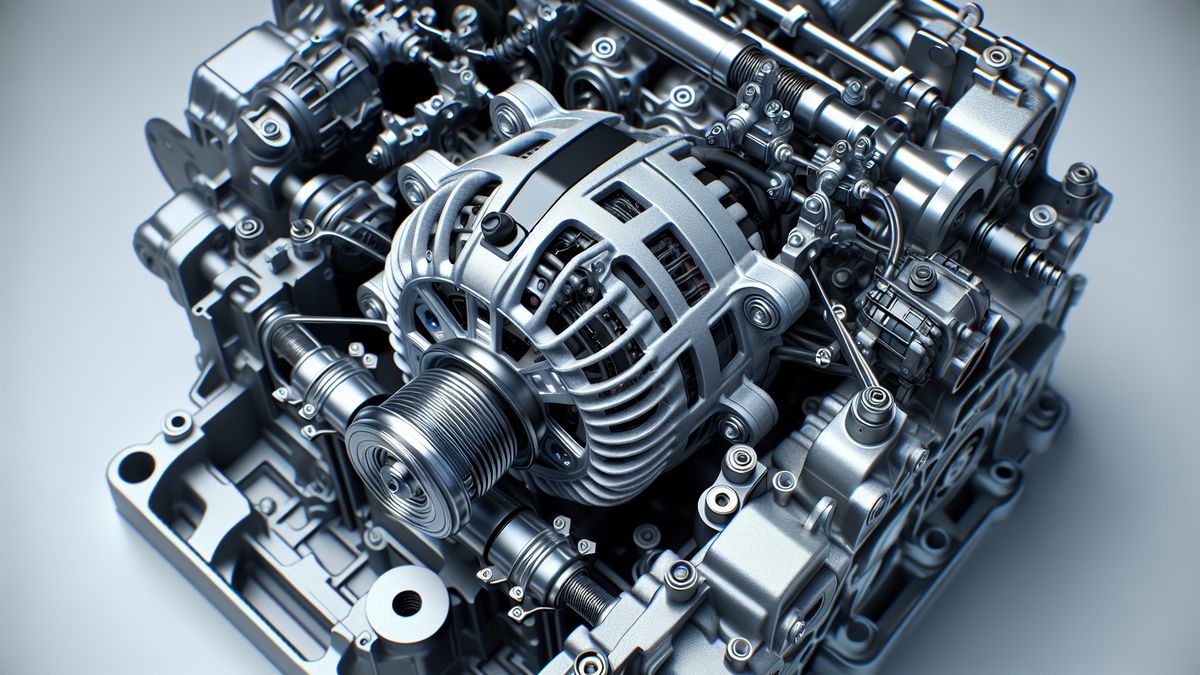
The alternator works on the principle of electromagnetic induction. It is made up of several key elements that work together to generate electricity. Here are the main components of an alternator:
Rotor: The rotor is a rotating part of the alternator which is supplied with direct current by the vehicle's battery. It is composed of a shaft connected to a pulley and a set of copper wire windings which are magnetized when supplied with electric current. This creates a rotating magnetic field.
Stator: The stator is a fixed part of the alternator which surrounds the rotor. It is composed of a set of copper wire windings installed around an iron core. When the rotor rotates, it induces an alternating current in the stator windings.
Rectifier: The rectifier is an electrical component that converts the alternating current induced by the stator into direct current. This recharges the vehicle battery and powers electrical accessories.
Voltage regulator: The voltage regulator controls the amount of current produced by the alternator. It ensures that the battery receives the right amount of current to charge without being overcharged.
Alternator operation in detail
When the vehicle engine is running, the rotor pulley is driven by the engine belt. This causes the rotor to spin at high speed, creating a rotating magnetic field around the stator. The movement of the rotor induces an alternating current in the stator windings.
The induced alternating current is then rectified to direct current by the rectifier. This direct current is regulated by the voltage regulator to maintain a constant voltage. Part of the current produced is used to recharge the battery and the other part powers the electrical accessories.
When the battery is sufficiently charged, the voltage regulator reduces the alternator's current output to prevent battery overcharging. When the vehicle's electrical demand increases, the regulator increases the alternator's current output to meet the needs.
Popular alternator brands on the market
- Bosch: Bosch is one of the most renowned brands in the automotive industry. Their alternators are known for their reliability and durability.
- Denso: Denso is also a leading brand in the field of alternators. Their products are known for their high quality and performance.
- Valeo: Valeo offers a wide range of alternators for different types of vehicles. Their products are renowned for their energy efficiency.
- Lucas: Lucas is a well-known British brand in the field of alternators. Their products are appreciated for their compatibility with older vehicles and their ease of installation.
In conclusion, the alternator is an essential component of any vehicle, responsible for producing electrical current to power the battery and electrical accessories. Understanding how it works will allow you to take better care of your car and react quickly in the event of an electrical problem.
The different components of an alternator
The different components of an alternator
The alternator is an essential element in the electrical system of a vehicle. It produces the electricity necessary for the proper functioning of the battery and the various electrical equipment of the car. To understand how it works, it is important to know the different components that compose it. Here is a detailed guide on the different components of an alternator.
1. The rotor
The rotor is one of the main components of the alternator. It is made up of a soft iron core with copper wire windings. Its role is to produce a magnetic field when it is supplied with direct current by the vehicle's battery. This magnetic field will induce an alternating current in the alternator windings.
2. The stator
The stator is another important component of the alternator. It is made up of several coils of copper wire wound around a soft iron core. The stator is permanently fixed in the alternator body. When the rotor produces a magnetic field, this generates an alternating electric current in the stator coils.
3. The voltage regulator
The voltage regulator is an electronic component that controls the output voltage of the alternator. Its role is to regulate the output voltage to ensure that it remains constant, regardless of the load required by the vehicle's electrical system. The voltage regulator thus helps prevent overloads or undercharges of the battery.
4. The diodes
Diodes are essential electronic components in the alternator. They are responsible for converting the alternating current produced by the stator into direct current usable by the battery and the vehicle's electrical equipment. Diodes make it possible to rectify the current by eliminating negative half-waves and allowing only positive half-waves to pass.
5. The pulley
The pulley is a mechanical component of the alternator. It is generally connected to the vehicle's engine by a belt, which allows the alternator rotor to rotate. The pulley must be correctly sized to ensure efficient rotation of the alternator and optimal electricity production.
6. Brushes and commutator
The brushes and the collector are mechanical components which provide the electrical connection between the rotor and the stator of the alternator. The brushes are in direct contact with the commutator, which is a cylindrical surface made of copper lamellae. When the rotor turns, the brushes rub against the commutator, which helps transfer electrical current from the rotor to the stator.
By understanding the different components of an alternator, it is easier to understand its overall operation in the electrical system of a vehicle. Each component has a specific role and contributes to the proper functioning of the alternator, which is essential for supplying electricity to the battery and the car's electrical equipment.
Why is the alternator essential for your car?
Why is the alternator essential for your car?
What is an alternator and how does it work?
The alternator is an essential component of your car's electrical system. It is responsible for producing and regulating the electricity necessary for the proper functioning of all the electrical equipment in your vehicle.
The alternator is made up of a fixed stator and a rotating rotor. When the engine is running, the rotor is driven by a belt connected to the crankshaft. This rotation generates a magnetic field which induces electricity in the stator. This electricity is then transformed into direct current using a device called a diode bridge. Next, a voltage regulator ensures that the DC current output remains stable, typically at around 14 volts.
Why is the alternator essential?
The alternator performs several essential functions for the optimal operation of your car:
1. Supply electricity to the battery: The alternator charges your car's battery when the engine is running. The battery provides electricity to start the engine, but it gradually drains while the vehicle is operating. The alternator therefore recharges the battery and maintains an optimal charge level, thus ensuring reliable engine starting every time.
2. Power all electrical equipment: Your car is equipped with many electrical components, such as headlights, taillights, audio system, windshield wipers, on-board computer, etc. All of this equipment requires electricity to operate. The alternator provides the energy needed to power these equipment, allowing you to use them without interruption.
3. Maintain the proper functioning of electrical systems: Your car's electrical systems, such as ignition, fuel injection, ventilation, and cooling, all depend on the availability of reliable electrical power. The alternator provides a constant and regular current, ensuring the proper functioning of these crucial systems for your safety and comfort.
Signs of alternator malfunction
It is important to recognize the signs indicating a potential alternator malfunction. Here are some common signs to watch for:
- Dashboard lights are dim or flashing.
- Problems starting the car.
- Unusual noises coming from the belt or the alternator itself.
- An audio system or electrical equipment that is not working properly.
- A battery that discharges quickly or requires frequent jumps.
If you experience any of these problems, it is important to have your alternator checked by a qualified mechanic. A faulty alternator can cause breakdowns, damage other electrical components and even cause the engine to stop.
Alternator Maintenance
To ensure the proper functioning of your alternator and extend its lifespan, here are some maintenance tips:
- Have your electrical system inspected regularly by a professional.
- Keep electrical connections clean and tight.
- Make sure the alternator drive belt is tensioned correctly.
- Avoid leaving electrical equipment on when the engine is off, to avoid draining the battery unnecessarily.
- Avoid overloading your car with additional electrical equipment that could put excessive strain on the alternator.
In conclusion, the alternator is an essential component of your car, responsible for producing and regulating the electricity necessary for all electrical equipment in your vehicle. It ensures the proper functioning of your battery, powers all electrical equipment and keeps electrical systems in good working order. Be sure to watch for signs of alternator malfunction and maintain it regularly to avoid breakdowns and electrical problems.
How to maintain and diagnose alternator problems?
1. Understand the role of the alternator
The alternator is an essential component of a car's electrical system. It is responsible for charging the battery and producing electricity to power the vehicle's various electrical systems. Without a working alternator, the battery would discharge quickly and the vehicle would not be able to operate properly.
2. Check the charging voltage regularly
The alternator charging voltage must be constantly monitored to ensure proper operation. To do this, you will need a multimeter. Connect the multimeter to the battery terminals and start the engine. The charging voltage should be around 13.8 to 14.2 volts. If the voltage is too low or too high, it may be a sign of a problem with the alternator.
3. Check electrical connections
The alternator's electrical connections should be checked regularly to ensure they are clean and tight. Corroded or loose connections can cause poor alternator performance. Use a brass wire brush to clean the connections and make sure they are secure.
4. Check the drive belts
Drive belts connect the alternator to the engine and help transfer the energy produced by the alternator. Check the condition of the belts regularly. They should not be too worn or too tense. If you observe cracks, wear marks or improper tension, it is recommended to replace them.
5. Diagnose Alternator Problems
If you notice battery charging issues or electrical malfunctions in your vehicle, your alternator may be experiencing problems. Here are some signs of alternator malfunction:
- Battery light on on dashboard
- Battery that discharges quickly
- Unusual noises coming from the alternator
- Reduction in the power of the vehicle's electrical equipment
In such cases, it is recommended to call an automotive professional to diagnose and repair alternator problems.
By following these regular maintenance tips and being alert for signs of problems, you can extend the life of your alternator and avoid costly breakdowns. Remember that the alternator is an essential element for the proper functioning of your vehicle, so it is important to pay special attention to it.