How does a fuel tank work in a car?
Overall Function of the Fuel Tank
Overall Function of the Fuel Tank
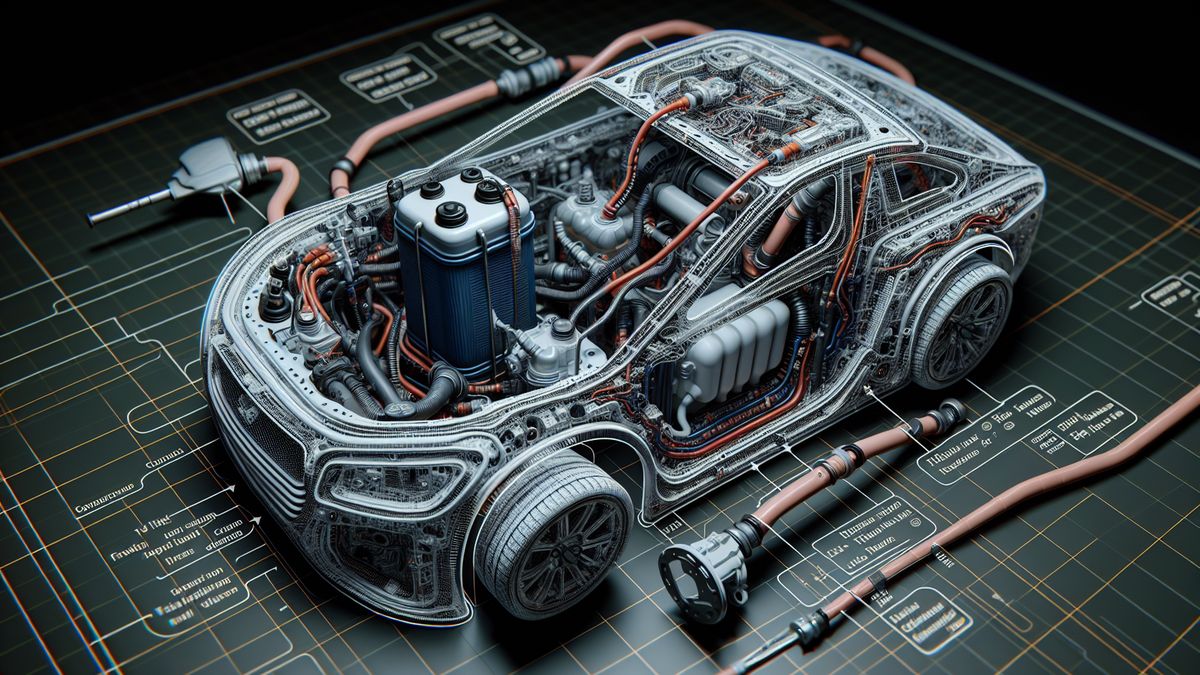
The fuel tank is a vital component of a vehicle, responsible for storing the fuel needed for the proper functioning of the engine. Its primary role is to supply fuel to the engine in a regulated and safe manner. In this article, we will explore the overall functioning of the fuel tank, detailing its various components and how they interact.
How the Fuel Tank Works
The fuel tank is usually located at the rear of the vehicle, under the bodywork. It is designed to be leak-proof, to prevent any fuel leakage. It is also made of a corrosion-resistant material, to ensure its durability.
The first essential component of the fuel tank is the fuel filler flap, located on the outside of the vehicle. It provides access to the tank for filling with fuel. The fuel filler flap is usually locked for safety reasons.
Once the fuel is introduced into the tank through the fuel filler flap, it is stored in the tank itself. The fuel tank is shaped like a container and can vary in size depending on the type of vehicle.
Components of the fuel tank
The fuel tank is made up of different parts that work together to ensure its proper functioning. Here are the main components of the fuel tank:
1. Fuel gauge system: This component measures the amount of fuel present in the tank and displays the information to the driver on the dashboard. It can be a float that floats on the surface of the fuel and sends an electrical signal corresponding to the amount of fuel.
2. Fuel Pump: The fuel pump is responsible for delivering fuel from the tank to the engine. It is generally placed inside the tank to ensure proper operation. The fuel pump is driven by an electric motor.
3. Fuel Filter: This part is responsible for filtering the fuel to remove unwanted particles that could damage the engine. The fuel filter can be replaced periodically to ensure optimal efficiency.
Fuel Tank Maintenance
To ensure proper fuel tank operation, it is important to follow a few maintenance steps. Here are some tips:
- Be careful not to allow the fuel tank to empty completely, as this can cause the fuel pump to overheat.
- Regularly check the tank for leaks to prevent fuel leaks.
- Replace the fuel filter according to the manufacturer's recommendations.
- Use quality fuel and avoid contaminating fuels.
By following these tips, you will ensure optimal operation of your fuel tank and guarantee the longevity of your vehicle.
In conclusion, the fuel tank is an essential component of a vehicle's fuel system. Its overall operation is based on components such as the filler flap, the fuel gauge, the fuel pump and the fuel filter. Regular maintenance is necessary to ensure optimal operation of the fuel tank.
The different parts making up a tank
1. The fuel cap
The fuel cap is the exterior part that allows access to and filling of the fuel tank. It is usually equipped with a locking mechanism to prevent unauthorized access to the fuel. Some newer models also come with additional safety features, such as anti-splash systems or fuel level detection devices.
2. The filling neck
The filler neck is the conduit through which fuel is poured into the tank. It is usually connected to the fuel cap and is designed to facilitate the filling process. Some newer models may also feature backflow prevention devices to prevent fuel spillage when filling.
3. The fuel gauge
The fuel gauge is an essential component for knowing the amount of fuel remaining in the tank. It is generally located on the dashboard and operates using a float immersed in the tank. The gauge provides a real-time indication of the fuel level and lets the driver know when it is necessary to refuel.
4. The tank itself
The tank is the main part in which the fuel is stored. It is usually made of durable steel or plastic, and is designed to be leak-proof to prevent fuel leaks. Some tanks are also equipped with settling chambers to separate water or impurities present in the fuel.
5. The fuel pump
The fuel pump is responsible for delivering fuel from the tank to the engine. It is generally located inside the tank and is electric. The fuel pump maintains constant pressure in the fuel system and ensures adequate flow to meet the needs of the engine.
6. Pipes and fittings
Hoses and fittings are the parts that connect different parts of the fuel system. They carry fuel from the tank to the pump and then from the fuel filter to the engine. These components must be waterproof and durable to prevent fuel leaks and ensure reliable operation of the system.
In conclusion, a fuel tank is made up of several parts that work in harmony to ensure efficient storage and use of fuel. Each component plays a crucial role in the optimal operation of a vehicle's fuel system. It is important to regularly monitor the condition of these parts and maintain them to ensure safe and trouble-free use of the tank.
Common Fuel Tank Problems
Common Fuel Tank Problems
The fuel tank is an essential component of any vehicle. It stores the fuel needed to run the engine and ensures a constant supply of fuel. However, like any other automotive component, it can encounter issues that require attention. In this article, we will discuss common fuel tank problems and possible solutions to fix them.
Leak detection
One of the main concerns when it comes to the fuel tank is the possibility of leaks. Leaks can result in loss of valuable fuel and, in worst cases, cause fires. It is therefore essential to detect leaks quickly and repair them. Here are some signs that may indicate a fuel tank leak:
- Persistent fuel odor near the vehicle
- Liquid stains under the vehicle after parking
- Rapid decrease in fuel level for no apparent reason
If you experience any of these signs, it is important to act quickly. Contact an automotive professional to inspect and repair your fuel tank.
Clog issues
Clogs can also occur in the fuel tank, preventing a smooth flow of fuel to the engine. The main causes of clogging are debris from the fuel itself or deposits that build up in the tank over time. Symptoms of a fuel tank blockage may include:
- Difficulty starting the engine
- Engine misfires or loss of power
- Frequent stalls
To resolve this problem, it is recommended to have the fuel tank cleaned regularly. A professional will be able to remove all obstructions and ensure optimal operation of the fuel system.
Corrosion problems
Corrosion is another common problem with fuel tanks, especially if the vehicle is exposed to wet conditions. Corrosion can cause leaks and damage other components in the fuel system. To prevent corrosion, it is advisable to take the following measures:
- Avoid leaving the fuel tank empty for long periods
- Apply a protective coating to the tank
- Avoid any contact of the tank with corrosive chemicals
It is also important to regularly check the condition of the fuel tank during scheduled maintenance to detect any corrosion and undertake necessary preventive measures.
Fuel Gauge System Problems
The fuel gauge system allows the driver to know the amount of fuel remaining in the tank. However, it may experience issues that affect the fuel gauge indication. Some common fuel gauge problems include:
- A gauge that shows an incorrect fuel level
- A gauge that does not work at all
These problems can be caused by a faulty sensor or an electrical problem. In such cases, it is recommended to consult a professional who can diagnose and repair the problem.
In conclusion, the fuel tank can experience various problems that require immediate attention. It is important to detect leaks early, clean the tank regularly, prevent corrosion, and diagnose fuel gauge problems. By taking care of your fuel tank, you ensure optimal operation of your vehicle and increase its lifespan. Do not hesitate to consult a professional if you encounter any of these problems.