Halal kebab: a fast food option consistent with religious precepts?
Are you constantly looking for fast, affordable and, above all, compliant with the religious precepts ofIslam ? Halal kebab has become a staple of fast food for many of you, who are keen to respect the dietary laws dictated by your faith.
In this article, we will delve into the heart of the question that is close to your heart: is the kebab you are eating truly halal? We will highlight the essential criteria that make this oriental specialty compliant with halal standards, from the slaughter of the animals to the final preparation of the sandwich on your plate. An informative read that will allow you to enjoy your next kebab with full knowledge and awareness.
Origin and popularity of halal kebab in fast food
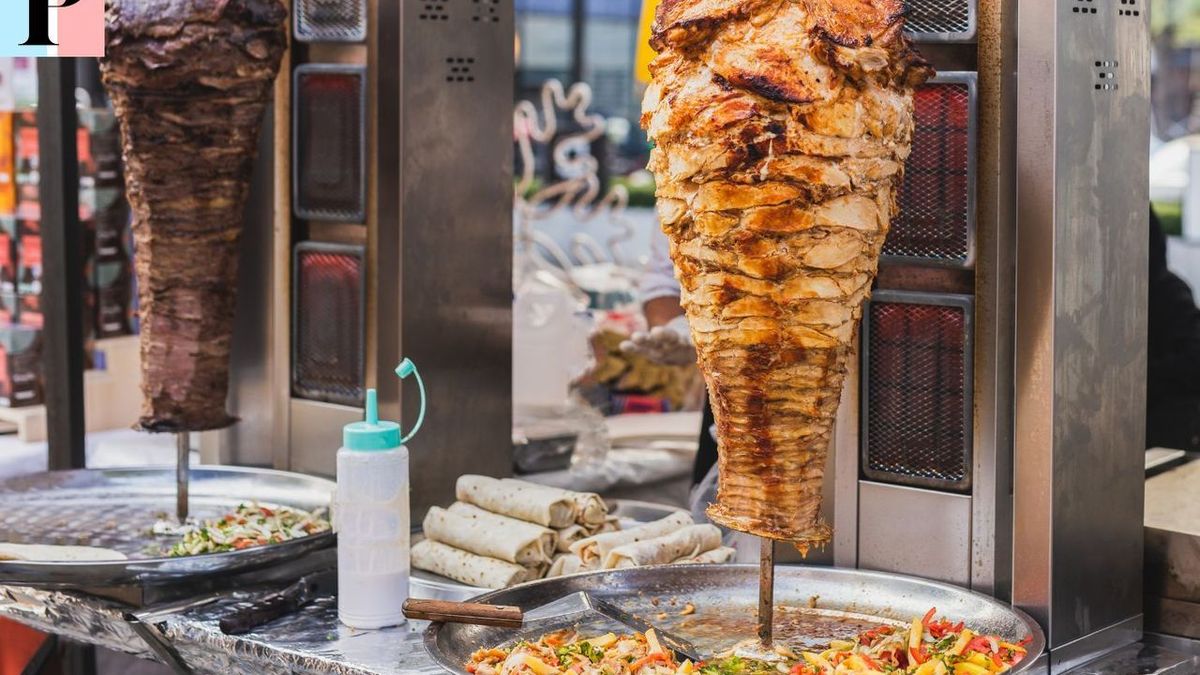
Halal kebab is not just a tasty dish found on the street corner; it is a true gastronomic icon that has become anchored in the eating habits of many people around the world. The kebab dates back centuries, finding its origins in Middle Eastern cooking techniques, where meat was roasted over a vertical fire. It has transformed and adapted to cultures and different dietary regulations, including the halal approach, which respects the principles of Islam.The roots of halal kebab
Historically, the kebab finds its roots in Ottoman cuisines and has traveled across continents to become the popular delicacy it is today. The halal adaptation of this dish has focused on the compliance of the meat used with Islamic law, where animals must be raised and slaughtered according to strict protocols, to ensure that the meat consumed is pure, healthy and respectful of religious precepts.
The rise of a fast food giant
The transition from traditional kebab to a halal fast food staple happened naturally. Its popularity has grown thanks to its quick, economical and delicious nature. Ideal for a meal on the go, the
halal kebab has established itself as a tasty alternative meeting the expectations of Muslim consumers. Expertly spiced meat, combined with fresh vegetables and wrapped in crusty bread, offers a unique and convenient taste experience. Halal kebab: between tradition and modernity
The halal kebab has been able to take advantage of the authenticity of traditional recipes, while modernizing itself to appeal to an urban and dynamic clientele. Restaurateurs have innovated by offering variations to adapt to local tastes and contemporary food trends, such as the addition of varied sauces or original toppings. This fusion between tradition and modernity has contributed to the international growth of
halal kebab , making it attractive to an increasingly broad and diverse audience.Halal kebab: a fast food option consistent with religious precepts?

Halal pizza: how to find them in your city? The criteria defining a kebab as being halal
When it comes to tasting a
kebab , the Muslim consumer seeks above all assurance that the meat consumed complies withprecepts of Islam . Certificationhalal is therefore a crucial element in its choice. But what are the criteria that define halal kebab, and how can we ensure their veracity? Origin and processing of meat
First of all, the
To distinguish a real halal kebab from a pretend one, certification by a recognized authority is essential. Structures like
AVS (At Your Service) , formerly a partner of Isla Délice, or the mosques of Paris and Evry, issue these certifications. However, it is essential to mention that there is debate about the reliability of certain certifiers. It is therefore recommended to check the traceability of the meat from thehalal butcher and the authenticity of the certification by asking the restaurateur for proof, a process which can sometimes arouse surprise or even anger. Financing and regulation
The subject of halal certification does not only address food aspects, but also economic and social ones. There was talk of a
halal tax to finance mosques in France, a subject which proves the complexity and scale of the halal ecosystem. The quality and compliance of halal kebab may depend on the financing mechanisms of these certificates. Verified Halal Restaurants
Many
halal restaurants which offer kebabs claim to be halal without meeting all the criteria. Directories such as Oresto halal allow you to consult a guide to establishments with real halal certification. Consumers have the right to demand total transparency on the origin of the meat served. It is not only a question of religious respect but also of trust and public health. Controversies around certifications
We should not ignore the controversies surrounding halal certification. In France, certain actors have questioned the reliability of the certifications issued by the mosques of Paris and Evry. Additionally, chains like Quick have had to face criticism for the lack of clarity in their halal offering.
Halal kebab: a fast food option consistent with religious precepts?

Are KFC restaurants Halal? The importance of halal certification in kebab consumption
The kebab, this dish of Turkish origin which has conquered taste buds in the four corners of the globe, comes in various forms, featuring deliciously spiced slices of meat. For a significant portion of consumers, respect for religious precepts is an essential element of their diet, hence the crucial need for
halal certification . This guarantee is much more than just a label; it is a promise of conformity with Islamic rites, a pillar of confidence for Muslim consumers.What is halal?
The term "halal" refers to what is permitted or permitted by Islamic law, particularly with regard to food consumption. It imposes strict criteria, from the breeding of the animal to its slaughter, respecting a series of religious rituals. Halal meat must be prepared by a practicing Muslim, who will invoke the name of Allah at the time of slaughtering the animal, which must be slaughtered with a sharp blade to ensure a quick death and reduce its suffering.
The role of halal certification
Halal certification is more than a formality; it serves as a bridge between respect for religious traditions and modern requirements for food transparency. Halal certification authorities are responsible for verifying that all stages of the meat supply and processing chain comply with the rules laid down by Islamic jurisprudence. This monitoring includes auditing meat suppliers, monitoring production processes, and training the personnel involved. The certification attests that the meat used in the kebab does not come from animals that have been slaughtered using other prohibited methods, such as stunning before slaughter, or in the presence of pork and alcohol, both of which are considered Haram (forbidden).
Consumer Confidence
The presence of a halal seal or label on a kebab is not just a formal procedure; it is a token of
trust for consumers. By complying with halal certification, suppliers and restaurateurs demonstrate a deep understanding of the needs of this community. This allows consumers to purchase and consume food that is consistent with their values and beliefs without compromise. Impact on Consumer Choice
The choice of a halal kebab is not limited by the taste or quality of the dish, but is closely linked to the religious conformity of the offer. There
certification plays a leading role in the decision-making process. Indeed, informed consumers actively seek the halal label as a decisive criterion in the selection of their food, particularly for meals consumed outside the home. In summary, the
halal certification is essential to ensure that the consumption of the kebab remains in accordance with the religious precepts of the Islam. It consolidates consumer confidence, affects their choices and serves as insurance against violations of their dietary practices. In a world where food culture is increasingly diverse, halal certification plays a decisive role for a growing Muslim population seeking to reconcile tradition and modernity.