Halal meat: What are the particularities of its slaughtering process?
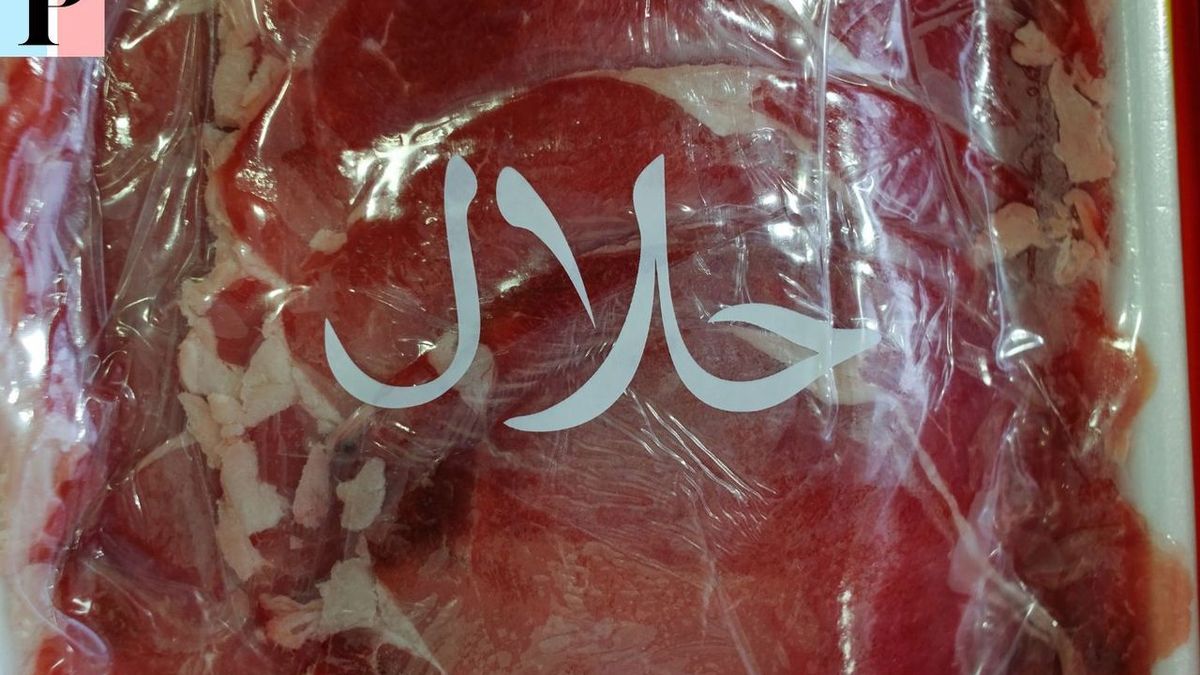
L'meat slaughter according to halal rites represents more than just a process; it is a practice rooted in deep spiritual and ethical convictions. Our daily diet is a reflection of our beliefs and identity, and for those who follow the precepts of Islam, ensuring that the meat consumed is halal is essential.
But what about halal slaughter process which distinguishes this meat sold in halal butcher from that produced by conventional methods? In this article, we delve into the particularities that define halal slaughter: from strict animal welfare criteria to the recitation of the sacred formula, including the precision of cutting techniques.
We also dissect the principles that govern this ancestral rite, thus allowing us to better understand how traditional practices are integrated into a modern context of food production.
By exploring the nuances of this meticulous art, we invite you to discover the rigor and respect that make halal meat an option that goes beyond simple consumption, embodying an ethical and spiritual choice deeply rooted in culture and values. traditions of many consumers around the world.
The fundamental principles of halal slaughter
Halal slaughter, at the heart of the dietary practices of millions of people around the world, is often subject to debate between the animal welfare and the freedom of religion. Its rigorous application and the principles that flow from it are essential to understanding this practice and its importance to the Muslim community.
Sincerity of intention
A central aspect of halal slaughter is the intention (Niyyah) of the person carrying out the slaughter. The act must be carried out with the sincere intention of conforming to divine prescriptions, making meat a lawful product (halal) for consumption.
The pronunciation of the sacred formula
The formula “Bismillah-Allahu Akbar” (In the name of Allah, the greatest), pronounced before slaughter, is a pillar of the ritual act. This invocation is a tribute to divine transcendence and must be clearly expressed for meat to be considered halal.
Respect for the animal
Respect for the animal is essential in the practice of halal slaughter. It is imperative that the animal is treated well throughout its life and until the time of slaughter. This includes special attention to breeding and transport conditions.
The actual slaughter method
To be compliant, slaughter must be carried out by a competent Muslim who is aware of halal rules. The method requires rapid and precise sectioning of the jugular veins, trachea and esophagus in a single gesture, to ensure rapid death and reduce the animal's suffering. The throat slitting must be manual and the knife used must be extremely sharp to meet these conditions.
Total bleeding of the animal
It is essential that the bleeding is complete, emphasizing the importance of a total evacuation of the blood from the animal, the blood being considered impure (haram) in the Islamic tradition and should therefore not be consumed.
Specific prohibitions
Any form of dizziness prerequisite, often debated in European legislative contexts, is deemed non-compliant by most Islamic authorities, as it could potentially result in the death of the animal before ritual slaughter, rendering the meat non-halal.
Taking into account legal standards and controversies
Faced with evolving regulations in France and Europe, such as the ban on certain methods of halal ritual slaughter, the Muslim community faces significant challenges. These regulations, often perceived as an obstacle to freedom of worship, lead to discussions and actions to reconcile respect for beliefs and the laws in force.
In conclusion, the traceability and certification of halal meats by the competent authorities ensures consumers respect these fundamental principles. Despite the debates, the strict application of halal slaughter remains for many the guarantor of dietary conformity with the Muslim faith.
The key stages of the halal slaughtering process
Halal slaughter is a specific process for obtaining meat that complies with Islamic dietary precepts. This process is based on strict rules offering quality renowned for its ritual purity. Through the different stages, the halal principles are respected to satisfy consumers while ensuring the well-being of the animal.
Preparation of the animal
Before any slaughtering operation, the well-being of the animal is a priority. The animal must be kept in a calm environment to avoid any unnecessary stress, which directly affects the quality of the meat. In addition, the animal must be in good health, an essential condition that an inspector checks before slaughter.
Slitting ritual
The central stage of halal slaughter is throat slaughter. It is carried out by a person of Muslim faith with perfect knowledge of religious rules. The quick and clean cut of the throat must be done with a sharp blade so as not to cause unnecessary pain to the animal. The name of Allah, as well as the formula “Bismillah” (In the name of God), are pronounced during the act. It is a key element of the ritual, emphasizing the sacred intention of the act.
Blood drainage
After slaughtering, the blood must be completely drained from the animal's body. This is essential not only to respect the halal standards but also because the blood retained in the meat is likely to encourage the development of bacteria. Complete bleeding guarantees the purity of the meat and meets food hygiene criteria.
Meat control
Once the animal has been slaughtered and the blood has completely drained, a careful examination is carried out to confirm halal compliance meat. This review includes an inspection to ensure that the cut was indeed clean and that all other steps were followed in full. In addition, the meat is checked to verify the absence of any disease or defect that would make it unfit for consumption.
Certification and traceability
The last phase of the process is obtaining the halal certificate, which attests to the conformity of the product with current standards. There traceability is also an essential element since it allows consumers to follow the origin of the meat and ensure that the slaughter stages have been respected. This guarantee is crucial for consumers' confidence in the products they purchase.
Compliance with these steps is essential to meet the expectations of consumers looking for quality halal products. They constitute the foundation of a respectful slaughter process and make halal meat a preferred choice for many practitioners and other consumers concerned about animal respect and the quality of their food.
Halal certification criteria for meat
Understanding the Halal concept
Before discussing halal certification criteria for meat, it is worth understanding what “halal” actually means. The term halal is an Arabic word that translates to “lawful” or “permissible” according to Islamic law. He is opposed to the term “haram”, prohibited. Consumption of halal meat is therefore essential for practicing Muslims who wish to respect the precepts of their religion.
Halal food is not only limited to the way in which the animal is slaughtered, but also encompasses a whole series of practices that must be respected from the beginning to the end of the process.
Difference between Halal and Kosher
Confusion is common between the terms "halal" and "kosher", the latter coming from Jewish tradition. Although slaughter practices are somewhat similar in their attempt to minimize the animal's suffering, they differ notably on the permitted and prohibited species, the prayers recited as well as certain slaughter techniques.
Slaughtering according to Halal principles
Halal slaughter is the subject of numerous debates, particularly on its ethical aspect. It notably implies that the animal must be alive and conscious at the time of slaughter. An incision must be made in the throat of the beast by a person of Muslim faith who must pronounce the formula "Bismillah" ("In the name of God") meaning that the act is carried out to meet nutritional needs and not for pleasure. to kill.
Moreover, halal requirements can be compatible with organic farming criteria, provided that respect for animal welfare is ensured throughout the life of the animal and during slaughter.
Halal certification criteria
Halal certification ensures that meat and meat products comply with Islamic requirements. Here are the most significant criteria:
- Absence of prohibited products : Halal meats must not come from animals prohibited by Islam, such as pork. They must also not be in contact with these substances at any time during their processing.
- Ritual slaughter : It must be carried out by a practicing Muslim, pronouncing the name of God and respecting the precise rules of halal slaughter.
- Animal health : Animals intended for halal slaughter must be in good health and have not undergone any mistreatment.
- Specific equipment : The use of dedicated tools, free from any contamination, is a prerequisite for halal certification.
- Post-slaughter treatment : All blood must be drained from the animal, and the meat must be handled and stored in a way that avoids cross-contamination with non-halal products.
Halal quality control and assurance
Halal certification bodies play a crucial role in controlling the food chain. They verify whether production meets the halal standards mentioned above.
Regular audits are conducted to ensure adherence to halal practices from slaughter to the consumer. As for the quality of halal meat, it is not only defined by its religious conformity, but also by the quality of life and diet of the animal, before its slaughter. Ultimately, consumers looking for halal meat are invited to check for the presence of a reliable certification label. This allows them to respect their religious precepts while ensuring the traceability and quality of the product.