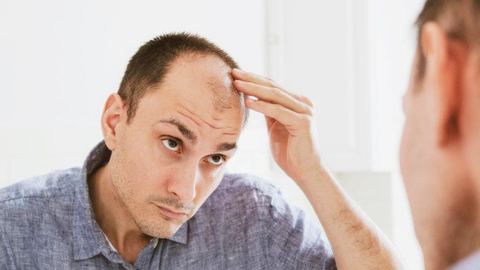
Gradient baldness: How to recognize it and manage it effectively?
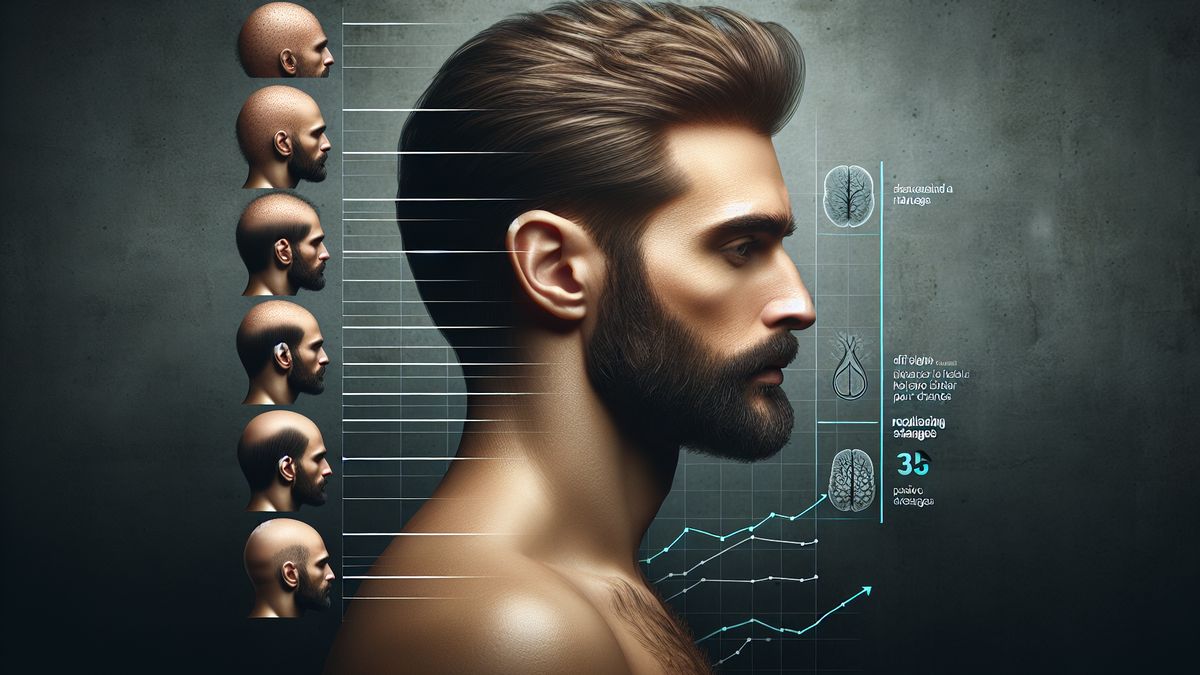
What is baldness gradient?
Baldness is a common problem that affects many men and women at some point in their lives. There are different forms of baldness, but one of the most common is faded baldness. In this article, we'll explore what hair loss is and how to recognize it.
Hair loss, also known as alopecia type IV, is a form of baldness that is characterized by progressive hair loss from the forehead and crown of the head. Unlike complete baldness where there is total hair loss on the top of the head, gradient baldness creates a gradual transition from thick hair at the back of the head to thinning hair at the front.
How to recognize baldness?
It is important to know how to recognize baldness, because the earlier it is treated, the greater the chances of slowing down or stopping it. Here are the main signs of baldness:
- Gradual hair loss: Baldness often begins with thinning hair at the temples and forehead, then gradually spreads toward the back of the head.
- Receding Hairline: The hairline may recede asymmetrically to the sides, forming an "M" shape or an inverted "U."
- Scalp Lightening: With hair loss, the scalp becomes increasingly visible as the hair thins in the front.
- Thickness of hair at the back: Despite hair loss at the front, the hair at the back of the head may remain thick and dense, creating a clear distinction between the affected area and the undamaged one.
How to manage baldness?
Although baldness cannot be completely reversed, there are ways to manage it and slow its progression. Here are some common options:
| Option | Description |
| Drugs | Medications such as minoxidil and finasteride can help slow the progression of baldness. Consult your doctor for available options. |
| Hair transplant | Hair transplantation is a surgical option that involves taking hair follicles from a donor area and transplanting them to areas affected by baldness. |
| Wigs and extensions | Wigs and hair extensions can help hide hair loss and give the appearance of thick, full hair. There are many style and color options available. |
| Proper Haircut | A suitable haircut can help camouflage baldness. An experienced hairstylist can advise you on the best hairstyle options for your hair type. |
Hair loss is a common form of baldness that causes progressive hair loss from the forehead and crown of the head. It is important to recognize the signs of baldness as soon as they appear so that you can take steps to slow its progression. Consult a hair health professional for personalized advice on managing baldness and to explore the treatment options that best suit your situation.
Signs to recognize baldness
Baldness is a condition that affects many people, both men and women. It is often associated with a loss of self-confidence and can have an impact on self-esteem. Recognizing the signs of baldness is essential to being able to take preventative measures or treat this condition effectively. In this article, we will examine the characteristic signs of baldness in order to better understand them and be able to deal with them.
1. Receding hairline
Receding hairline is one of the first obvious signs of baldness in men. It manifests itself as a hairline that gradually moves toward the back of the head. Women may also experience a receding hairline, but it is usually less pronounced than in men. This sign can be a prelude to more severe alopecia, so it is important to consult a specialist as soon as you notice a receding hairline.
2. Hair thinning
Thinning hair is another common sign of receding hairline. It occurs when hair gradually becomes thinner and less dense, particularly at the crown of the head. This can give the appearance of thinning hair or diffuse baldness. It is important to note that thinning hair can be a gradual and imperceptible process at first. It is therefore necessary to monitor yourself regularly to detect any early signs of baldness.
3. Tonsure formation
Tonsure formation is an advanced sign of baldness in men. It is characterized by a bald or balding area at the top of the head, revealing the scalp. This crown-shaped baldness is often the result of hair loss that progresses from the crown of the head towards the back. In women, tonsure formation is less common but can still occur in some cases of severe baldness.
4. Loss of hair density
Loss of hair density is a major sign of baldness. It manifests itself by an overall reduction in the number of hairs on the entire scalp. The hair becomes thinning and the scalp becomes more and more visible. This sign is often accompanied by thinning hair and receding hairline. It is essential to take action as soon as you notice a loss of hair density to limit the impact of baldness on your appearance.
Recognizing the signs of baldness is crucial to taking the necessary steps to prevent or treat this condition effectively. Receding hairline, thinning hair, tonsure formation and loss of hair density are characteristic signs of baldness. It is important to consult a specialist as soon as you notice these signs in order to benefit from appropriate treatment. Remember that baldness should not be a source of shame or concern, there are many solutions available to help you.
Effective management of baldness
Baldness, or hair loss, can be a difficult challenge for many men to accept. Gradient baldness, that is to say the gradual reduction in hair density on certain areas of the scalp, is a particularly difficult stage to manage. Fortunately, there are effective strategies to deal with this reality and improve appearance.
Hair loss, also known as hair miniaturization, is characterized by a gradual decrease in the size and thickness of hair. It occurs primarily on the frontal area and crown of the scalp. As hair miniaturizes, it becomes thinner, shorter, and sparser, giving the appearance of less and less hair.
Early recognition is key
Effective management of hair loss begins with early recognition of the problem. By being aware of the signs of hair loss, you can take steps to slow the process and prevent more extensive hair loss. If you notice your hair thinning, your scalp is more visible, or your hairline is receding, it is recommended that you consult a hair specialist or dermatologist for an accurate diagnosis.
Treatment options
Fortunately, there are several effective treatment options available today to manage hair loss. Here are some of the most popular approaches:
1. Medication
Some medications, such as finasteride and minoxidil, have been shown to be effective in treating hair loss. Finasteride, taken in pill form, helps block the production of DHT, a hormone that contributes to hair miniaturization. Minoxidil, applied as a lotion to the scalp, promotes hair regrowth. These medications can slow the progression of baldness and in some cases, stimulate hair regrowth.
2. Hair transplant
Hair transplantation is a surgical option that involves moving hair follicles from part of the head to the balding area. This procedure helps restore hair density in a permanent and natural way. However, it must be performed by an experienced surgeon to obtain satisfactory aesthetic results.
3. Hair treatments
There are also non-surgical hair treatments, such as specific lotions and shampoos, that can help nourish and strengthen existing hair. These products often contain active ingredients such as biotin, caffeine or zinc, which stimulate hair growth and improve hair health.
Additional Tips
In addition to the treatment options, here are some additional tips for effectively managing baldness:
- Choose a suitable haircut: a short or shaved cut can help hide baldness and give a more even appearance.
- Take care of your scalp: use gentle products, avoid rubbing vigorously when washing and take care of your scalp by protecting it from the sun and moisturizing it regularly.
- Adopt a healthy lifestyle: a balanced diet, stopping smoking, reducing stress and a healthy lifestyle all contribute to the general health of your hair.
Baldness can be a source of concern and discomfort, but it is entirely possible to manage it effectively. By consulting a specialist at the first signs of hair loss, choosing the right treatments and adopting a holistic approach to hair health, you can reduce the effects of baldness and regain self-confidence. Remember that there is nothing shameful about losing your hair, and there are many solutions available to help you manage this natural process.
Tips for preventing and reducing baldness
1. Eat a balanced diet
A balanced diet is essential for maintaining healthy hair and preventing baldness. Make sure you eat foods rich in vitamins, minerals and proteins, such as green vegetables, fruits, legumes, nuts, seeds and lean meats. These nutrients promote healthy hair follicles and stimulate hair growth.
2. Avoid stress
Stress can be a contributing factor to baldness. Find ways to reduce your daily stress, whether through meditation, yoga, exercise, or any other relaxing activity that works for you. Maintaining a balanced lifestyle and managing stress can help prevent hair loss.
3. Use suitable products
Choose hair products that suit your hair type. Opt for gentle shampoos and conditioners that do not irritate the scalp or damage hair follicles. Avoid products with harsh chemicals that can promote hair loss.
4. Avoid excessive heat
Excessive use of heat on hair, such as frequent use of hair dryers, straighteners or curling irons, can damage hair and cause hair loss. So avoid exposing your hair to excessive heat and use heat protection products when you need to use heating tools.
5. Massage your scalp
Regular scalp massage stimulates blood circulation, promotes hair growth and strengthens hair follicles. Use your fingers to gently massage your scalp for a few minutes each day. You can also use essential oils, like peppermint oil, to improve blood circulation and stimulate hair growth.
6. Consult a healthcare professional
If you notice excessive hair loss or are concerned about baldness, do not hesitate to consult a healthcare professional who specializes in hair problems. They will be able to assess your condition and recommend suitable treatments, such as medications, lotions or hair transplantation, based on your specific needs.
By following these tips, you can prevent and reduce baldness. Remember, it's important to take a holistic approach by taking care of your overall health, avoiding stressors, and using suitable products to maintain healthy, strong hair. Be patient and persistent, as the hair growth process can take time.