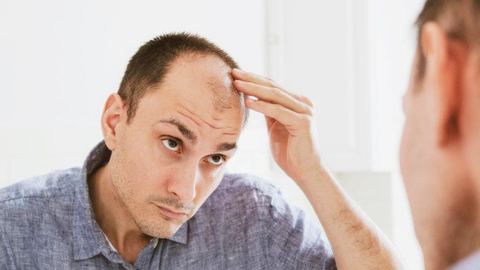
Early baldness: how to prevent and treat it?
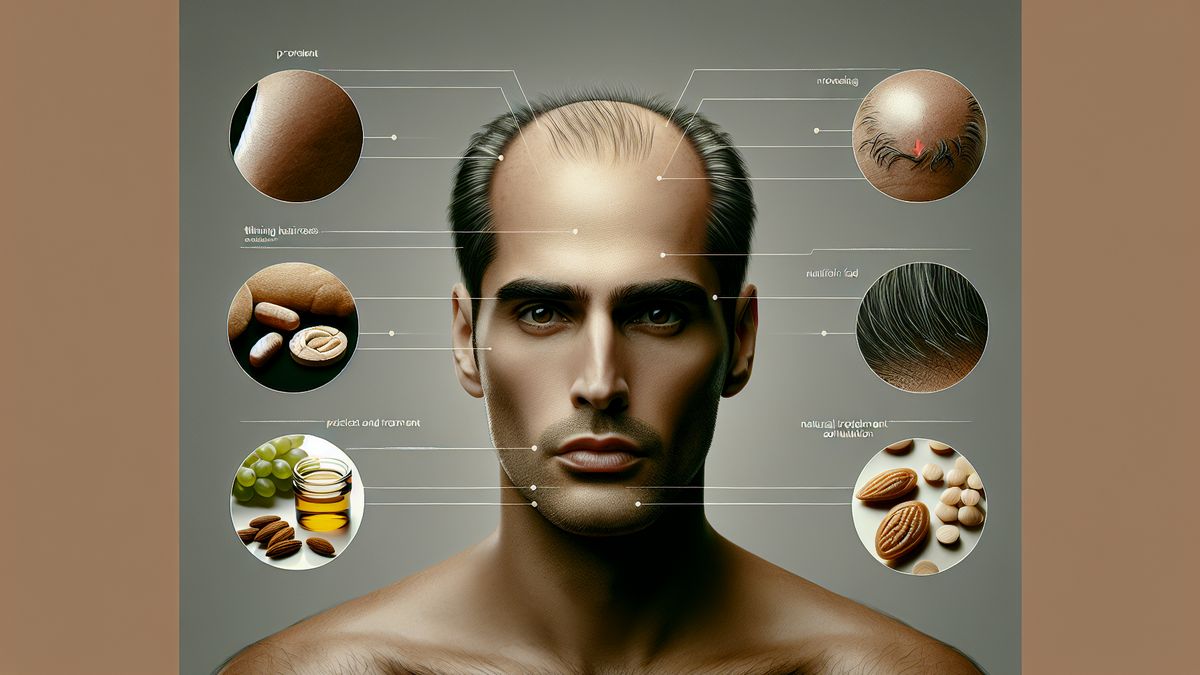
Early baldness: a common problem among men
Early pattern baldness, also known as androgenetic alopecia, is a common problem that affects many men around the world. This condition, in which hair begins to thin and fall out prematurely, can have a significant impact on self-esteem and self-confidence. In this article, we'll explore the causes of premature baldness, the treatment options available, and the preventative measures you can take to maintain the health of your hair.
The causes of premature baldness
The main cause of premature baldness in men is heredity. There is a genetic component that predisposes some individuals to increased sensitivity to male hormones, called androgens, which play a key role in the hair loss process. These hormones can cause hair follicles to shrink and lead to reduced production of new hair, which ultimately leads to baldness.
In addition to genetics, other factors can also contribute to premature baldness. Chronic stress, poor diet, hormonal imbalances and certain illnesses can all play a role in premature hair loss. It is important to consult a healthcare professional to determine the underlying cause of your premature baldness and develop a suitable treatment plan.
Treatment options for premature baldness
There are several treatment options available for premature baldness. One of the most commonly used treatments is minoxidil, a topical medication that stimulates hair growth and slows hair loss. Minoxidil is typically applied to the scalp twice daily and must be used continuously to maintain results.
Another popular treatment option is finasteride, an oral medication that blocks the action of the enzyme responsible for converting testosterone into a more potent form called dihydrotestosterone (DHT). DHT is the hormone responsible for shrinking hair follicles, and by blocking its action, finasteride can prevent the progression of baldness.
In addition to medications, hair transplantation is a surgical option often considered to treat premature baldness. This procedure involves harvesting hair follicles from a donor area of the scalp and transplanting them to the areas affected by baldness. Hair transplantation can provide natural and long-lasting results, but it requires prior evaluation and professional follow-up.
Preventative Measures to Maintain Hair Health
In addition to treatment options, there are also preventative measures you can take to maintain the health of your hair and delay premature baldness. A balanced diet rich in essential nutrients such as proteins, vitamins and minerals is essential for healthy hair. In addition, it is important to avoid excessive stressors and maintain good hair hygiene by using products that are suitable for your hair type. Regular use of shampoos and conditioners specially formulated to strengthen hair can also help prevent premature hair loss. Finally, avoid tight hairstyles that pull on the hair and avoid harsh chemical treatments, such as coloring and straightening, which can damage the hair and lead to premature hair loss.
In conclusion, premature baldness is a common problem that affects many men. If you are suffering from premature hair loss, it is important to consult a healthcare professional to determine the underlying cause and develop a suitable treatment plan. By combining medical treatment options, surgical procedures, and preventive measures, you can maintain the health of your hair and delay premature baldness.
Risk factors and prevention of premature baldness
Early pattern baldness, also known as androgenetic alopecia, is a common problem that affects many men and women. Although it can be difficult to completely prevent baldness, there are several risk factors to consider as well as prevention measures that can help minimize the effects of early hair loss.
Risk factors
Several factors can influence the appearance of premature baldness. Some of them are inherited genetically, while others are linked to lifestyle and environment.
Genetics:
Heredity plays a major role in premature baldness. If you have a family history of baldness, it is likely that you are more susceptible to developing it. Hormones:
Hormones also play a key role in early hair loss. Hormonal imbalances, such as those associated with testosterone and dihydrotestosterone (DHT), can contribute to baldness. Age :
Early baldness can begin as early as adolescence, but the risk increases with age. The older you get, the more likely you are to experience baldness problems. Lifestyle:
Certain behaviors can also increase the risk of premature baldness. Smoking, chronic stress, poor diet and lack of exercise can all negatively impact hair health. Prevention
Although it is not possible to completely prevent premature baldness, there are steps you can take to minimize its effects and slow down hair loss.
Balanced diet:
- A diet rich in essential nutrients can help maintain hair health. Make sure you get enough vitamins, minerals and proteins to promote hair growth and strength. Proper Hair Care:
- Use gentle hair products and avoid overheating your hair with styling tools such as straighteners and hair dryers. Also avoid pulling your hair too hard when brushing or styling. Stress management:
- Stress can contribute to early hair loss. Find ways to manage your stress, whether through exercise, meditation, yoga, or other relaxing activities that work for you. Medical consultation:
- If you notice excessive or early hair loss, consult a healthcare professional. A doctor will be able to assess your situation and offer you medical treatments or solutions adapted to your case. It is important to note that these prevention measures can help slow the progression of early baldness, but they do not guarantee complete results. Every person is different and will respond differently to various approaches.
In conclusion, premature baldness is a common problem that can be influenced by different risk factors. Although complete prevention is not possible, implementing good hair care habits and healthy lifestyles can help minimize the effects of early hair loss.
Treatment Options for Early Baldness
Early pattern baldness, also known as androgenetic alopecia, is a condition that affects many men and women around the world. It is characterized by progressive hair loss and, if not treated in time, can lead to permanent baldness. Fortunately, there are several treatment options available today that can help slow hair loss and even promote hair regrowth. In this article, we explore the different treatment options available for premature baldness.
1. Topical treatments
Topical treatments are one of the most popular options for treating premature baldness. They consist of the application of products to the scalp, generally in the form of lotions or foams. The two most commonly used topical treatments are minoxidil and finasteride.
- Minoxidil: Minoxidil is a medication that was initially developed to treat hypertension. However, it has been found to also stimulate hair regrowth. It is available over the counter and can be used by both men and women. Minoxidil is applied twice daily to the scalp and must be used continuously to maintain results.
- Finasteride: Finasteride is a prescription medication that is taken orally. It works by blocking the action of the enzyme responsible for converting testosterone into dihydrotestosterone (DHT), the hormone responsible for baldness. Finasteride is typically prescribed to men and requires long-term use to maintain results.
2. Hair transplant
Hair transplantation is a more advanced treatment option for premature baldness. It involves taking hair follicles from donor areas (usually the back or sides of the head) and transplanting them onto bald areas. Hair transplantation can be carried out using different techniques, such as the FUT (follicular unit transplantation) method or the FUE (follicular unit extraction) method.
- FUT Method: The FUT method involves taking a strip of scalp containing hair follicles. This strip is then cut into individual follicular units to be transplanted onto the bald areas. This method may leave a visible scar, but the results are often very satisfactory.
- FUE method: The FUE method involves taking individual hair follicles using a specialized instrument. These follicles are then transplanted onto the balding areas, without requiring sutures. This method is often preferred because it does not leave a visible scar, but it can be more expensive.
3. Wigs and hair extensions
If medical or surgical treatments are not an option for you, wigs and hair extensions can be a temporary solution to cover balding areas or to add length and volume to your hair. There are many options available today, from custom-made wigs to clip-in hair extensions. These solutions can be worn daily or for special occasions.
It is important to note that wigs and hair extensions do not treat the underlying cause of premature baldness, but they can help improve the appearance of hair.
4. Specific hair care
Finally, there are a variety of hair care products specifically formulated to help prevent baldness and improve hair health. These products usually contain active ingredients such as vitamins, minerals and herbal extracts that promote hair regrowth and strengthen hair follicles.
- Shampoos and conditioners: Some shampoos and conditioners are specially formulated to help strengthen hair and stimulate regrowth. They may contain ingredients such as biotin, panthenol, silk proteins and herbal extracts.
- Hair supplements: There are also dietary supplements that can help nourish hair from the inside. These supplements often contain B vitamins, amino acids, antioxidants and essential fatty acids.
In conclusion, there are several treatment options for premature baldness, ranging from topical treatments like minoxidil and finasteride, to hair transplantation, wigs and hair extensions. It is important to consult a hair health professional to determine which treatment option is best for your situation. Remember that each person is unique and results may vary. Whichever option you choose, it is essential to act quickly to maximize the chances of success.
Tips for living with premature baldness
Early baldness is an aesthetic problem that affects many men and can impact self-confidence. Although there is no miracle cure to stop baldness, there are tips and tricks to live better with this condition. Here are some tips to help you:
Accept yourself as you are
The first tip is to accept your early baldness and love yourself as you are. Baldness is not a sign of premature aging or weakness, it is simply a physical characteristic. Learn to look at yourself in the mirror with pride and be confident in your appearance.
Choose a suitable haircut
A well-chosen haircut can help minimize the appearance of early baldness. Opt for a short or shaved cut that will highlight your face and give a neat look. Avoid cuts that will further remove thinning areas and instead opt for hairstyles that add volume and thickness to the remaining hair.
Use suitable hair products
To camouflage bald areas, there is a wide range of hair products specially designed for men with premature baldness. Densifying powders, hair fibers and sprays to thicken hair are all solutions to give the illusion of denser hair. Don’t be afraid to experiment with different products and techniques to find what works best for you.
Be aware of your clothing style
Clothing style can also play a role in overall appearance. Opt for clothes that flatter your physique and make you feel good. A well-chosen outfit can distract attention from baldness and emphasize your personality and individual style.
Adopt healthy lifestyle habits
A healthy lifestyle can also help minimize the impact of early baldness. A balanced diet rich in nutrients essential for hair health, as well as regular physical activity and stress management can help preserve the quality of the remaining hair. Healthy habits will have positive effects not only on your appearance, but also on your overall well-being.
Consult a hair health professional
Finally, if you are concerned about your premature baldness, it may be a good idea to consult a hair health professional. A dermatologist or hair specialist will be able to assess your specific situation and offer you suitable treatments or solutions. Feel free to ask any questions you have and ask for recommendations to find the best approach for you.
By following these tips and adopting a positive attitude, it is possible to live with premature baldness in a fulfilling way. Remember that your worth and attractiveness are not determined by the presence or absence of hair. Be proud of who you are and embrace your individuality.