Dog diarrhea: main causes and solutions
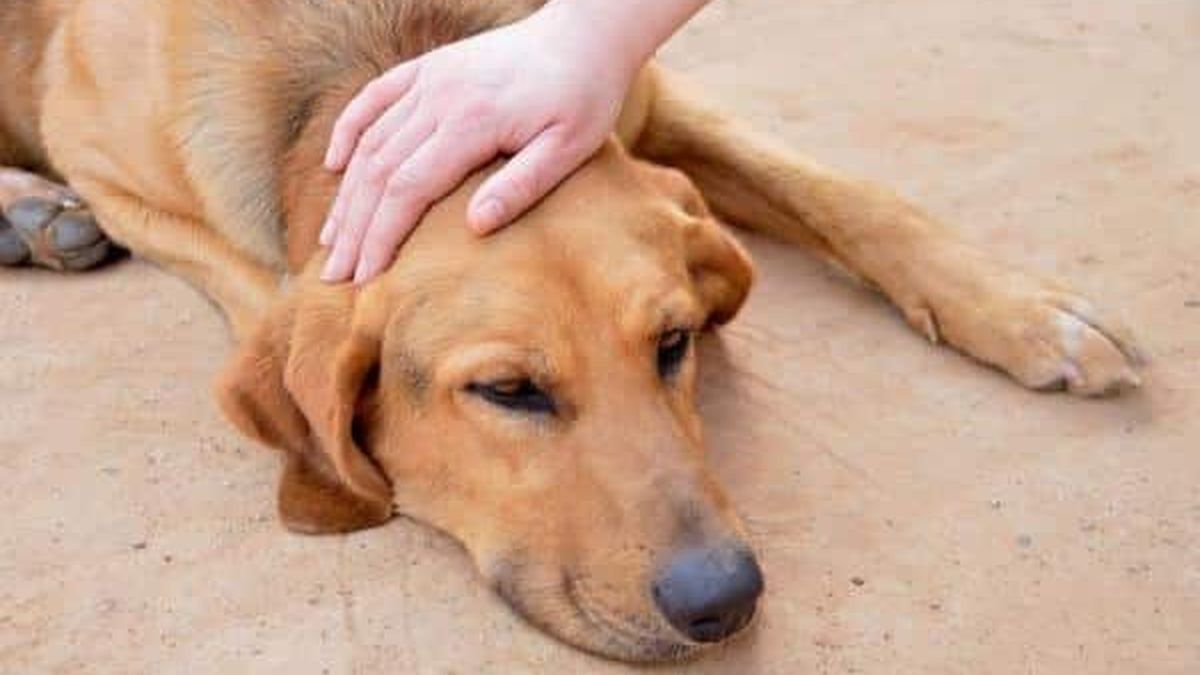
Just like in humans, the diarrhea in dogs is an altered state of defecation. Even healthy dogs sometimes suffer from diarrhea. Usually caused by simple and insignificant reasons (excessive snacking, sudden change of food, sudden changes in temperature...), it can also be a signal for more common health problems. dog diarrhea.
So knowing the common causes and knowing how to treat minor cases safely at home can minimize the likelihood of diarrhea occurring and help your dog return to normal.
Symptoms of diarrhea in dogs
In addition to loose stools, common symptoms of diarrhea in dogs include:- apathy
- weakness
- the agitation
- loss of appetite
- vomiting
- intestinal sounds
- Etc.
What are the main causes of dog diarrhea?
It is not uncommon for diarrhea in dogs to be triggered by a food allergy to certain raw materials. Indeed, dogs are often lactose intolerant, with little lactase secretion in the small intestine and can have diarrhea with milk and dairy products. Since it is originally a carnivore, the dog is not good at digesting vegetables. Overeating vegetables can therefore cause diarrhea in dogs. If you want to protect your dog from this, you must ensure the selection of high-quality food with well-tolerated ingredients.How to relieve your dog of diarrhea that can cause you a lot of problems
Furthermore, there are various bacteria responsible for dog diarrhea. If your dog eats food or water contaminated with bacteria from eating garbage, the bacteria grows in the intestine and damages the intestinal lining, causing inflammation, diarrhea, abdominal pain, sometimes vomiting and fever. Likewise, dogs have a variety of viral infections and many exhibit symptoms such as fever, severe diarrhea, vomiting and weakness. For example, adenovirus type 1 (infectious canine hepatitis), canine parvovirus, and canine coronavirus still cause severe diarrhea and vomiting.To recap, the main causes of dog diarrhea can be:
- foods that cause intolerances or allergies
- excessive feeding
- sudden changes in diet
- poisoning
- various diseases such as intestinal parasites, infectious bacteria, kidney disease
- the old age of some dogs
Some home remedies to cure your dog
With mild diarrhea, dog owners can initially become active themselves through various means. As a rule, the dog is put on a zero diet.Feed the dog with diarrhea less
Dogs should not eat food for 24 hours during diarrhea to relieve digestive organs. However, potable water should always be available. Then you can slowly start feeding the usual foods in small amounts or feeding them light foods.Light diet
Light foods do not burden the digestive organs or as little as possible. A frequently used carbohydrate source is rice, which is cooked soft. Boiled, low-fat poultry meat can be fed as a source of protein.Charcoal tablets
Charcoal tablets are available at most pharmacies and are capable of adsorbing toxins from the gastrointestinal tract. Ask your veterinarian for advice on when and how much medical charcoal is right for your dog.Articles similaires
Education