Can you benefit from hair implants without being completely bald?
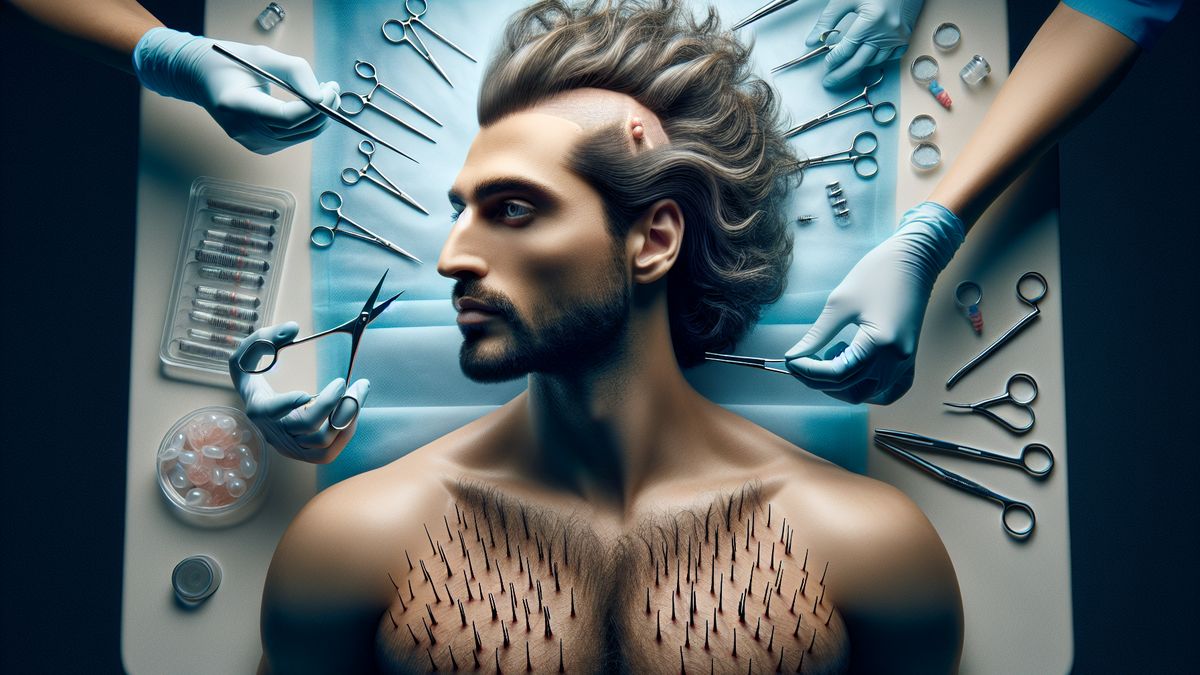
Hair implants: a solution to hair loss
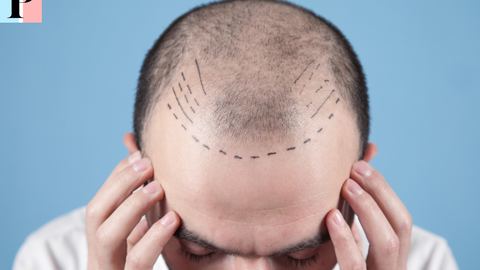
Hair loss is a problem that affects many people, regardless of age or gender. It can be due to various reasons, such as genetic factors, hormonal imbalances, stress or even health problems. Whatever the cause, this situation can be very difficult to live with and affect self-confidence.
For those suffering from hair loss, hair implants are an effective and long-lasting solution. This medical procedure involves taking hair follicles from a donor area (usually the back of the head) and re-implanting them into balding areas. Hair implants provide natural, long-lasting results, allowing those affected by hair loss to achieve a restored appearance and self-confidence.
How does the hair implant procedure work?
The first step in the hair implant procedure is consultation with a specialist. He will assess your specific situation and advise you on the best approach to achieve the desired results. During this consultation, the specialist can also explain to you the different hair implant techniques available, such as the FUE (Follicular Unit Extraction) method or the FUT (Follicular Unit Transplantation) method.
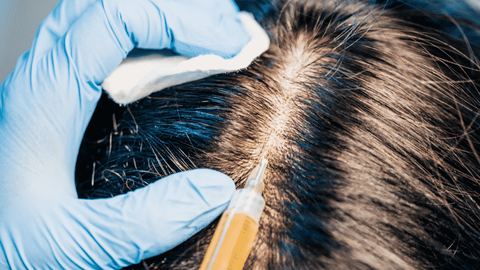
Once you have decided to proceed with the hair implant, the second step is to prepare the donor area. During this step, the hair is shaved and local anesthesia is administered to minimize discomfort.
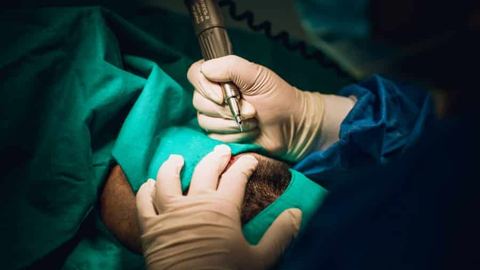
The third step is harvesting hair follicles from the donor area. Depending on the technique chosen, this can be done manually using a punch or using a specialized device. The follicles are then isolated and prepared for reimplantation.
The fourth step involves creating incisions in the recipient area, where the follicles will be implanted. This step is crucial because it determines the angle, direction and density of the implanted hair to achieve a natural look. An experienced specialist will use advanced techniques to implant the follicles precisely and aesthetically.
Finally, once all the follicles are implanted, post-operative care will be necessary to ensure healing and healthy hair regrowth. The specialist will give you specific instructions on these treatments and may recommend specific products to maintain the health of your hair after the procedure.
What are the advantages of hair implants?
Hair implants offer many advantages for those who want to regain dense, natural hair:
- Final results: Unlike other temporary solutions, such as wigs or hair products, hair implants offer permanent results. Once the follicles are transplanted, they will continue to grow naturally.
- Natural appearance: Hair implants give a natural look to the hair because the follicles are implanted at their original angle and direction. The hair will have the same texture and color as the surrounding hair.
- Restored self-confidence: Hair loss can have a significant impact on self-confidence. Hair implants allow you to regain dense, natural hair, which can help regain lost self-confidence.
- Minimal pain and recovery time: Hair implants are a relatively non-invasive procedure, with minimal pain and recovery time. Additionally, it is possible to return to normal daily activities relatively quickly after the procedure.
In conclusion, hair implants offer an effective and long-lasting solution for those suffering from hair loss. This medical procedure helps restore dense, natural hair, while improving self-confidence. If you are considering this procedure, do not hesitate to consult a specialist, who can guide you through the process and answer any questions you may have.
Hair implants: an option for all stages of baldness
Baldness can be a source of frustration and insecurity for many people. Fortunately, with advances in medical technology, there are now several solutions to this problem. Among these, hair implants stand out by offering an effective and durable option for restoring dense and natural hair. And the good news is that hair implants aren't just for people who are completely bald. They are a viable solution for all stages of baldness, whether mild or advanced.
The different stages of baldness
Before considering hair implants as a solution, it is important to understand the different stages of baldness. The most commonly used classification is the Norwood-Hamilton scale. This scale divides male pattern baldness into seven stages, ranging from mild hair loss to more advanced baldness:
| Stadium | Description |
| Stage 1 | No hair loss |
| Stage 2 | Temporary hair loss in the temple area |
| Stage 3 | Mild to moderate hair loss in the temple and forehead area |
| Stage 4 | More pronounced hair loss in the temple and forehead area |
| Stage 5 | Extensive loss in the temples, forehead and crown of the head |
| Stage 6 | Significant hair loss, with a strip of hair separating the sides of the scalp from the crown |
| Stage 7 | Advanced baldness, remaining hair is only on the sides and back of the head |
It is essential to consult a hair restoration specialist to determine the stage of baldness and the most suitable hair implantation method for each individual case.
Hair implants: a solution for all stages of baldness
Contrary to popular belief, hair implants are not just for people with advanced baldness. They can be done at all stages of baldness. When baldness is mild, hair implants can be used to fill in sparse areas, strengthen the forehead line or temples.
For more advanced stages, hair implants can be used to create fuller coverage of the scalp. The technique used will depend on the stage of baldness. If the donor area is still free from baldness, the FUE (Follicular Unit Extraction) method can be used, where hair follicles are taken one by one from the donor area and re-implanted into the balding area.
If the donor area is also affected by baldness, the FUT (Follicular Unit Transplantation) method, also called the strip technique, can be used. This technique involves transplanting a strip of scalp containing hair follicles from the donor area to the recipient area.
Regardless of the stage of baldness, hair implants offer a long-lasting and natural solution, allowing many people to regain dense, confident hair.
Hair implants are a viable option for all stages of baldness, whether mild or advanced. Whether to fill in thinning areas or to restore a full head of hair, hair implants offer an effective and lasting solution to regain self-confidence. Don't forget to consult a specialist to determine the stage of baldness and the hair implantation method best suited to your case.
The criteria to take into account to benefit from hair implants
When it comes to finding a lasting solution to hair loss, hair implants are an increasingly popular option. This procedure allows you to restore natural hair and find dense and voluminous hair. However, not everyone is eligible for this procedure. There are certain criteria to take into account to be a candidate for a successful hair transplant. In this article, we will review these important criteria.
1. Level of alopecia
The severity of hair loss plays a crucial role in determining eligibility for a hair transplant. Hair implants are generally recommended for people suffering from stage 2 to 7 alopecia according to the Norwood scale. Later stages of baldness may require other treatment approaches because the donor area may be insufficient or the procedure may not provide satisfactory results.
2. Evaluation of the donor area
The donor area, that is, the part of the head where the hair is still abundant, is another essential element to take into account. The hair in this area should be thick and healthy enough to be used for transplantation. The surgeon will assess the density of your hair in this area to determine if it is suitable for a hair transplant.
3. General health
Your general health is also an important criterion to consider before proceeding with a hair transplant. You must be in good health and not have any medical conditions that could compromise the success of the procedure. Certain health conditions, such as uncontrolled diabetes, autoimmune diseases or blood clotting disorders, may be contraindications to hair transplantation.
4. Realistic expectations
It is important to understand that hair implants can restore the density of your hair, but they cannot reproduce a completely full head of hair if you have advanced baldness. It is essential to have realistic expectations about the results of hair transplantation. Talk to your hair surgeon to get a clear idea of the results you can expect.
5. Commitment to Hair Care
Good hair hygiene and proper care are essential to preserve hair transplant results. You will need to be prepared to care for your scalp and hair as recommended by your surgeon. It is also important to understand that transplanted hair will continue to grow, but natural hair loss may continue as you age. Hair transplantation should only be considered as one part of an overall hair maintenance plan.
In conclusion, hair implants offer a long-lasting solution to hair loss, but it is essential to consider different criteria to determine if you are a suitable candidate for this procedure. Consult a qualified hair surgeon to evaluate your individual case and determine if hair implants are the right option for you.
The process and results of hair implants
Losing your hair can be a distressing experience, but today there are effective solutions to regain dense, natural hair. Hair implants are a popular option for people who want to restore their hairline and regain their confidence. In this article, we'll look at the hair implant process, from start to finish, as well as the results you can expect.
Initial consultation
The first step in the hair implant process is an initial consultation with a healthcare professional who specializes in hair restoration. During this consultation, the doctor will examine your scalp and assess for hair loss. He will also discuss your expectations and provide you with information on the different hair implant options available.
Treatment planning
Once you have decided to proceed with hair implants, the doctor will create a personalized treatment plan based on your situation. It will determine the area from which the hair follicles are harvested, which is usually at the back of the head, where the hair is thicker and more resistant to shedding.
Hair follicle extraction
The next step in the process is to extract the hair follicles from the donor area. This step can be performed in different ways, including the FUE (Follicular Unit Extraction) method or the FUT (Follicular Unit Transplantation) method. The doctor will choose the most suitable method for you based on your needs and preferences.
Implantation of hair follicles
Once the hair follicles are extracted, they are prepared for implantation. The doctor will make tiny incisions in the target area of the scalp, where the new hair will be implanted. The extracted hair follicles are then carefully inserted into these incisions, following a natural hair growth pattern.
Recovery and results
After the implantation procedure, it is normal to feel some slight pain and inflammation for the first few days. The doctor will provide you with detailed instructions on post-operative care and prescribe medications to manage pain and inflammation.
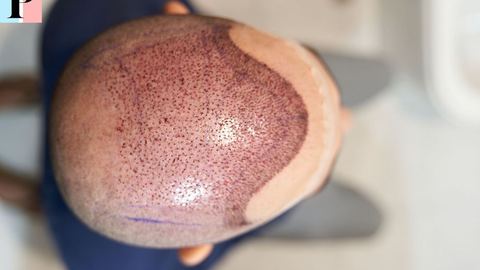
The results of hair implants are not immediately visible. The implanted hair will gradually begin to grow in the months following the procedure. It will usually take several months before the final results are visible.
However, once the new hair grows, you will benefit from dense, natural hair. Hair implants provide long-lasting and permanent results because the implanted hair is genetically resistant to loss.
Hair implants are an effective solution for regaining dense, natural hair. The hair implant process, from the initial consultation to the recovery phase, helps restore the hairline and improve self-confidence. With long-lasting and permanent results, hair implants offer an effective solution to combat hair loss.