Can hair implant solve your hair loss?

What is hair transplantation?
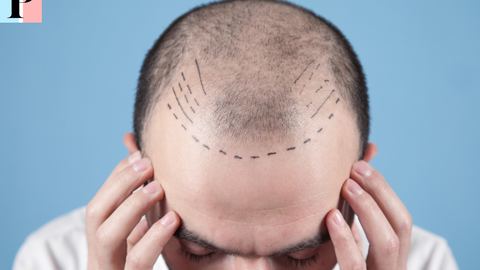
Hair transplantation is a cosmetic surgery technique that restores hair growth where it has been lost. It is an effective solution for people who suffer from baldness or thinning areas on the scalp.
This procedure involves harvesting healthy hair follicles from a donor area, usually at the back of the head, and then replanting them in the balding areas. Hair follicles are structures in the skin that include the hair and roots. By harvesting follicles from the donor area, which is not affected by hair loss, and replanting them elsewhere, hair growth can be restored naturally and permanently.
Hair transplantation is an increasingly popular solution to combat hair loss because it offers long-lasting and natural results. This technique not only helps restore a full and uniform head of hair, but also restores self-confidence and improves overall appearance.
Different Hair Transplant Techniques
There are several hair transplant techniques, the most common of which are FUT (Follicular Unit Transplantation) and FUE (Follicular Unit Extraction).
FUT involves taking a strip of skin from the donor area and then cutting it into individual follicular units that are then reimplanted in the balding areas. This method leaves a linear scar on the back of the head, but it allows for a large number of hair follicles to be collected in a single session.
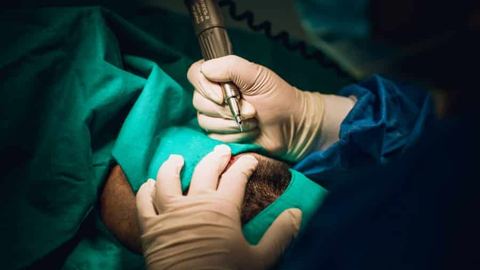
FUE, on the other hand, involves individually harvesting each hair follicle from the donor area using a specialized instrument, then re-implanting them one by one. This technique leaves no visible scars and allows for faster recovery, but it requires more time to collect a large number of follicles.
The advantages and limitations of hair implants
Hair implants have many benefits, including a permanent solution to hair loss, natural results, and the ability to regain a full, even head of hair. Additionally, this technique does not require chemicals or medications, which reduces the risk of unwanted side effects.
However, it is important to note that hair implant is not a solution suitable for everyone. People with advanced hair loss or very low hair density may not be good candidates for this procedure. Additionally, hair implant requires a thorough individual assessment to determine whether the patient's expectations are realistic and whether the desired results can be achieved.
It is also important to take into account the cost of the hair implant, as this procedure is generally considered aesthetic and is therefore not covered by social security. There should also be a recovery period after the procedure, during which it is recommended to avoid strenuous activities and follow the surgeon's instructions.
Hair implant is an effective cosmetic surgery technique to restore hair growth in people suffering from baldness or thinning areas. This procedure offers long-lasting and natural results, allowing you to find dense and uniform hair. However, it is important to consult a qualified professional to assess whether this solution is suitable for each specific case, taking into account their expectations and the feasibility of the desired results.
How does hair implant work?
How does hair implant work?
Hair implant is a surgical method of hair restoration that aims to treat baldness and hair loss. This technique allows hair follicles to be transplanted from the donor area to the recipient area, in order to create natural, permanent hair. Here is how this procedure works in detail:
1. Initial consultation:
Before proceeding with the hair implant, it is essential to consult a hair restoration specialist to assess your condition and determine if you are a good candidate for this procedure. During this consultation, the doctor will examine your scalp, your medical history, your expectations and explain the hair implant process to you.
2. Preparation of the donor area:
The donor area is the area of your scalp where hair is more resistant to loss and hair follicles are healthier. Usually the back area of the head is used as the donor area. Before the procedure, this area will be shaved and cleaned to facilitate the extraction of hair follicles.
3. Extraction of hair follicles:
There are two main methods of extracting hair follicles: the strip technique (FUT) and the follicular extraction technique (FUE). In the strip technique, a thin strip of hair is taken from the donor area and the hair follicles are then separated and prepared for transplantation. In the follicular extraction technique, hair follicles are removed one by one using a specialized instrument.
4. Preparation of the recipient area:
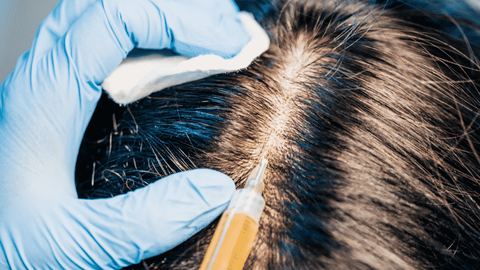
The recipient area is the area where the hair follicles will be implanted. Before transplantation, this area will be cleaned and small incisions will be made to receive the hair follicles. The layout and angle of the incisions are strategically planned to ensure a natural and aesthetic result.
5. Implantation of hair follicles:
Once the incisions are made, the hair follicles are implanted one by one into the recipient area using special tweezers. The doctor will ensure that the hair follicles are placed at the right depth and in the right direction to ensure a natural appearance and optimal hair regrowth.
6. Recovery and results:
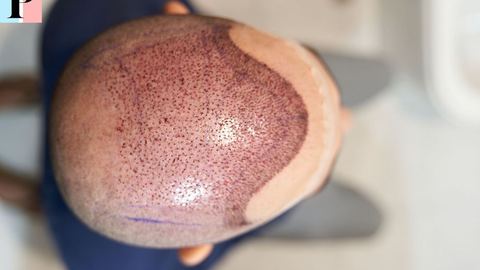
After the procedure, it is necessary to follow the post-operative instructions provided by the doctor. This may include using medications, washing the scalp gently, and avoiding strenuous physical activities for a few days. The transplanted hair will fall out in the weeks following the procedure, but new hair will begin to grow in the months that follow. Final results may take up to a year to be fully visible.
It is important to note that hair implant cannot treat advanced baldness and cannot prevent future loss of untransplanted hair. However, for many individuals, this technique offers an effective and long-lasting solution to restoring dense, natural hair.
In conclusion, hair implant is a sophisticated surgical procedure that transplants hair follicles from the donor area to the recipient area. By following a methodical and precise approach, this technique allows hair to be restored with satisfactory long-term results. If you are considering a hair implant, it is recommended that you consult with a hair restoration specialist to assess your situation and discuss your options.
The Benefits of Hair Implant to Solve Hair Loss
Losing your hair can be a source of concern for many people. Fortunately, today there are effective solutions to remedy this problem, including hair implants. This hair transplantation technique has many advantages for those who wish to regain dense hair and a more youthful look. Let's discover together the benefits of hair implants.
1. Natural and long-lasting results
One of the main advantages of hair implant is that it allows you to achieve natural and long-lasting results. Using the hair transplant technique, hair follicles are taken from the donor areas and implanted in the sparse or hairless areas. These follicles continue to grow normally, giving a natural appearance to the new hair.
Additionally, the hair implant results are permanent. Once the hair has grown back, it will not fall out again, provided you follow the post-operative recommendations and maintain your hair well. It is therefore an effective and lasting solution to solve the problem of hair loss.
2. Advanced technology and personalized techniques
Technological advances in the field of hair implants have made it possible to develop increasingly advanced and personalized techniques. Hair surgeons are able to create hairlines adapted to the physical characteristics of each patient, for an optimal aesthetic result.
In addition, thanks to modern methods such as FUE (Follicular Unit Extraction) or DHI (Direct Hair Implantation), the implantation of hair follicles is done precisely and carefully, thus minimizing the risk of scarring or other complications. These techniques also allow for a faster and less painful recovery.
3. Effective solution for all causes of hair loss
Whether hair loss is due to hereditary factors, hormonal issues, or other medical conditions, hair implants can be an effective solution. Indeed, this technique makes it possible to treat different types of baldness, whether it is frontal baldness, crown baldness, or general baldness over the entire skull.
4. Improved self-esteem and self-confidence
Hair loss can have a significant impact on self-esteem and self-confidence. By opting for hair implant, a person can regain a full, natural head of hair, which can significantly improve their appearance and self-perception.
Feeling better about yourself and looking younger can have a positive impact on all aspects of life, both personally and professionally. The hair implant can therefore contribute to a better quality of life and greater confidence.
Hair implant has many benefits as a hair loss solution. Its natural and long-lasting results, constant technological improvements, its effectiveness in treating different causes of hair loss, as well as its positive impact on self-esteem make it an attractive option for those looking to regain abundant and confident hair.
However, it is important to take into account the limitations and contraindications specific to each individual case. It is therefore strongly recommended to consult a professional specialized in hair implants to evaluate the feasibility of this procedure and obtain the necessary information in order to make an informed decision.
Considerations to take into account before choosing hair implant
If you are suffering from hair loss and are considering a permanent solution, hair implants may be an interesting option to consider. However, it is important to take into account certain considerations before making this choice. Here's what you should know:
1. Assessing the cause of hair loss
Before undergoing a hair implant procedure, it is essential to know the cause of your hair loss. Hair implant is generally recommended for people with androgenetic alopecia, a hereditary condition that causes progressive hair loss. This technique is not suitable for people suffering from hair loss due to other factors such as stress, nutritional deficiencies or underlying health conditions. It is therefore important to consult a hair health professional who can diagnose the cause of your hair loss before embarking on a hair implant procedure.
2. Realistic expectations
Before choosing hair implant, it is essential to have realistic expectations about the results you can achieve. Although this technique can offer a permanent solution to hair loss, it is important to understand that the end result will depend on various factors such as the amount of donor hair available, the quality of your existing hair and the skill of the surgeon. It is important to openly discuss possible results with your hair surgeon and ask any questions you have before undertaking the procedure.
3. Payback time
Hair implant is a surgical procedure that requires some recovery time. It is important to consider the recovery time and ensure that you are willing to dedicate time to your recovery after the procedure. As a general rule, a rest period of approximately one to two weeks should be allowed to allow the implanted area to heal properly. During this period, you will need to avoid intense physical activities and follow your surgeon's recommendations to promote optimal healing.
4. Associated costs
Before choosing hair implant, it is important to take into account the costs associated with this procedure. Hair implant costs vary depending on various factors such as the technique used, the number of grafts required and the reputation of the surgeon. It is recommended to consult different clinics specializing in hair implants to obtain detailed quotes and compare costs. Remember that the quality of results is paramount, so it is essential to choose an experienced surgeon even if this may result in higher costs.
5. Potential risks
As with any surgical procedure, there are potential risks associated with hair implant. Although these risks are generally rare, it is important to be aware of them and consider your overall health before deciding to have a procedure. Some potential risks include infections, excessive bleeding, visible scarring, or uneven hair regrowth. By speaking with your hair surgeon, you can get detailed information about the risks associated with the procedure and decide whether the benefits outweigh the potential risks.
Hair implant can be an effective permanent solution to combat hair loss. However, it is essential to take these considerations into account before making this choice. A proper assessment of the cause of your hair loss, realistic expectations, recovery time, associated costs and potential risks will help you make an informed decision. Do not hesitate to consult different hair surgeons and ask all your questions before committing to this procedure. With the right care and a wise choice, hair implants can help you regain self-confidence and regain thick, natural hair.