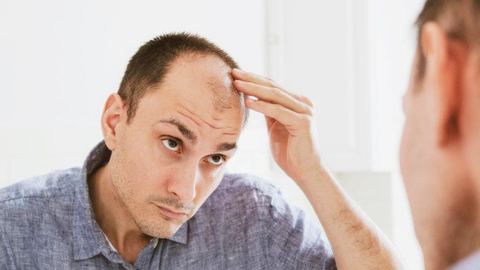
Beginning of baldness: how to deal with it?
Definition and causes of baldness
What is baldness?
Baldness, also known as alopecia, is a common problem characterized by hair loss, usually on the scalp. It can affect both men and women, although the incidence is more common in men.
Causes of baldness
Baldness can be caused by a variety of factors, including:
1. Genetic factors: One of the main causes of baldness is heredity. If you have family members with a history of baldness, chances are you are also predisposed to developing it.
2. Hormonal imbalance: Hormonal changes can also contribute to baldness. This condition is common in men because levels of DHT (dihydrotestosterone), a hormone derived from testosterone, increase with age. DHT can negatively affect hair follicles, leading to progressive hair loss.
3. Stress and anxiety: Excessive stress and chronic anxiety can lead to hair loss. This phenomenon is usually temporary and hair regrowth can be observed once stress levels are brought under control.
4. Medical conditions: Certain medical conditions, such as polycystic ovary syndrome (PCOS) in women or hypothyroidism, may be associated with hair loss.
5. Poor diet: An unbalanced diet lacking in essential vitamins and minerals can weaken hair, making it more likely to fall out.
6. Environmental factors: Exposure to harsh chemicals, radiation and excessive heat can also contribute to hair loss.
There are different causes of baldness, ranging from genetic factors to hormonal imbalances and medical conditions. While it is impossible to completely prevent baldness, it is possible to slow its progression and stimulate hair growth through medical treatments and appropriate lifestyle changes. If you are concerned about your hair loss, it is recommended to consult a dermatologist or hair specialist for personalized advice.
The different stages of baldness
Baldness, also known as alopecia, is a common hair problem in men. It can begin as early as adolescence and significantly affect self-confidence. Baldness is usually caused by hormonal imbalance, genetic predisposition or health problems. It progresses through several stages, each with its own characteristics. Understanding these different stages can help find solutions that are tailored to each situation. Here is a description of the main stages of baldness:
Stage 1: Minimal Hair Loss
Stage 1 of baldness is characterized by minimal hair loss. The hair begins to thin slightly, mainly at the temples and hairline. This hair loss may be inconspicuous and easy to camouflage with appropriate hairstyles. However, it is important to take preventative measures at this stage to slow the progression of baldness.
Stage 2: Thinning Hair
In stage 2, hair loss becomes more apparent. Hair thins more at the temples, forehead line and top of the head. Bald spots may begin to form, making it difficult to hide baldness. At this point, it may be a good idea to consult a dermatologist to discuss available treatment options.
Stage 3: Beginning of baldness
In stage 3, baldness becomes more obvious and the bald areas expand. Hair loss is most pronounced at the forehead line and the top of the head. At this point, the remaining hair becomes finer and sparser. It is recommended to consult a specialist for an accurate diagnosis and to evaluate possible options, such as medical treatments or hair surgery.
Stage 4: Advanced baldness
Stage 4 baldness is characterized by more significant hair loss. Balding areas expand significantly, leaving visible bald areas at the crown and browline. The remaining hair is very thin and no longer covers the scalp effectively. At this point, hair transplantation can be considered as a solution to restore hair density.
Stage 5: Advanced baldness with only a crown
At stage 5, baldness is very advanced. Balding areas are more extensive, often leaving a crown of hair at the back of the head. The remaining hair is very sparse and no longer covers the scalp adequately. Hair transplantation or wearing wigs may be possible options to reduce the aesthetic impact of baldness.
Stage 6: Advanced baldness with a more pronounced crown
At stage 6, the crown of hair at the back of the head becomes more pronounced. The hair on the upper part of the head is extremely thinning or absent, leaving the scalp completely visible. Hair transplantation may be considered to restore hair density, but the results may be less convincing than in the early stages of baldness.
Stage 7: Total or almost complete advanced baldness
At stage 7, baldness is complete or almost complete. Often only a thin strip of hair remains around the crown, with the hair on the top of the head having completely disappeared. At this stage, it may be difficult to achieve satisfactory results with hair transplantation, and wearing wigs or completely shaving the head may be considered as aesthetic options.
In conclusion, baldness progresses in several stages, ranging from minimal hair loss to complete baldness. Each stage has specific characteristics and requires an adapted approach. It is important to consult a dermatologist at the first signs of baldness to evaluate the available treatment options. Regardless of the severity of baldness, there are solutions to reduce its aesthetic impact and regain self-confidence.
Strategies to Prevent and Slow Down Baldness
Eat a balanced diet
A healthy, balanced diet is essential to maintaining the health of your hair. Be sure to include protein-rich foods like lean meat, legumes and dairy products. Fresh fruits and vegetables also provide vitamins and minerals important for hair health. Don't forget essential fatty acids like omega-3 found in fatty fish and nuts. A balanced diet will help prevent hair loss and maintain a healthy scalp.
Protect your hair
Baldness can be made worse by harsh hair treatments. Limit frequent use of chemicals, such as perms and coloring, which can weaken hair and cause hair loss. Also avoid using hot styling tools and pulling your hair too hard. Instead, opt for gentle hairstyles that don't put excess tension on the hair follicles.
Manage stress
Stress can be a trigger for baldness. Try to find effective ways to manage your stress, such as meditation, yoga, regular exercise, or deep relaxation. When you feel stressed, your body produces hormones that can affect the health of your hair. Take time to relax and rest to reduce the negative impacts of stress on your scalp.
Take care of your scalp
A healthy scalp promotes hair growth. Make sure to keep your scalp clean by regularly using a mild shampoo suitable for your hair type. Avoid shampoos containing harsh chemicals that can irritate the scalp and contribute to baldness. Don't forget to gently massage your scalp to stimulate blood circulation and help hair growth.
Consult a dermatologist
If you notice excessive hair loss or a significant decrease in hair density, it is important to consult a dermatologist who specializes in hair and scalp problems. A professional can help you determine the cause of baldness and offer you appropriate treatment. There are medical solutions and topical treatments that can slow the progression of baldness and help hair regrow.
Prevent hereditary baldness
In the case of hereditary baldness, it is often difficult to prevent it completely. However, certain measures can be taken to delay its appearance and minimize its impact. Treatments such as laser therapy and hair transplantation are popular options for people suffering from hereditary baldness. It is recommended to consult a specialist who can guide you towards the best treatment for your specific needs.
In conclusion, preventing and slowing down baldness requires a comprehensive approach. By eating a balanced diet, protecting your hair, managing stress, taking care of your scalp and consulting a specialist dermatologist, you can reduce the impact of baldness on your appearance and self-confidence. Remember that everyone reacts differently to treatments, so it is important to be patient and find the solution that best suits your situation.
Treatment options to combat baldness
Baldness, or androgenetic alopecia, is a common problem that affects many men and women. It can be a source of concern and affect the self-esteem of people who suffer from it. Fortunately, today there are many treatment options to combat baldness and stimulate hair regrowth. In this article, we'll explore the different options available and give you practical tips for dealing with the start of your baldness.
1. Medical treatments
Medical treatments are often the first option considered to combat baldness. They may include topical medications, such as minoxidil, which is widely used to stimulate hair growth. Minoxidil generally needs to be applied twice daily for several months to see visible results. It is important to note that minoxidil does not work for everyone and may have side effects such as scalp irritation.
Another commonly used medication is finasteride, which is a 5-alpha-reductase inhibitor. Finasteride is prescribed in tablet form and must be taken daily. It can help slow hair loss and promote regrowth. However, it is important to consult a doctor before starting any medical treatment because finasteride may have side effects such as sexual problems and mood disorders.
2. Hair transplant
Hair transplantation is a surgical option that involves taking hair follicles from a donor area (usually the nape of the neck) and implanting them into balding areas. This procedure makes it possible to replenish areas affected by baldness permanently. Hair transplantation is considered an effective option but requires careful evaluation of candidate patients and a significant budget.
3. Laser therapies
Laser therapies are an increasingly popular non-surgical option for combating baldness. These treatments use laser devices to stimulate hair growth. Low-energy lasers help increase vascularity to the scalp, which stimulates the growth of hair follicles. Results from laser therapies may vary from person to person, but many users report reduced hair loss and improved hair density.
4. Wigs and hairpieces
If you are looking for a temporary solution to hide your baldness, wigs and hairpieces can be an interesting option. Nowadays, they are made from quality materials that give a natural look. There are a variety of styles, textures and colors available on the market, making it easy to find an option to suit your needs. However, it is important to note that wigs and hairpieces do not stimulate hair regrowth and require regular maintenance.
5. Lifestyle Changes
In addition to medical treatments and more invasive options, certain lifestyle changes can also help combat baldness. It is recommended to maintain a balanced diet, rich in essential nutrients for hair health, such as vitamins A, B, C, D and E, as well as minerals such as zinc and iron. A healthy lifestyle, stopping smoking and managing stress can also help maintain the health of your hair.
In conclusion, baldness can be treated in different ways, ranging from medical treatments to hair transplants to laser therapies. Choosing the best option will depend on the severity of your baldness, your personal expectations and your budget. Regardless of which option you choose, it is always advisable to consult a qualified healthcare professional for a personalized assessment and recommendations. Remember that the most important thing is to accept and love the way you look, regardless of the condition of your hair.