Becoming a professional video editor: skills, training and career
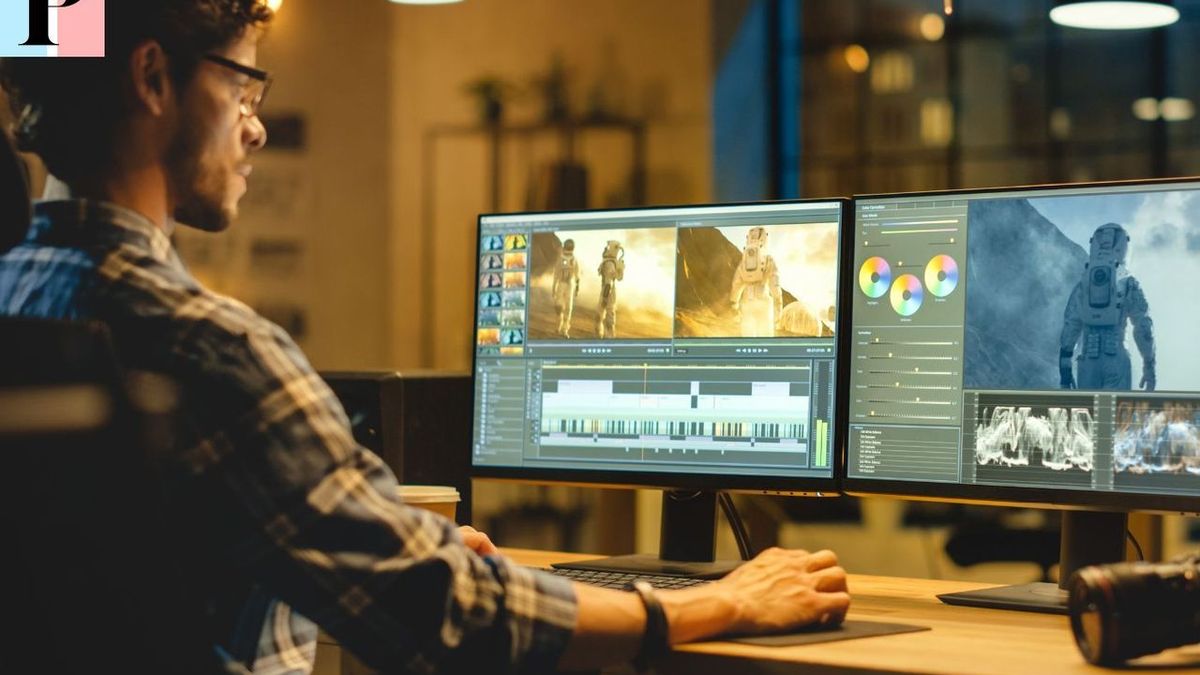
In a world where visual content reigns supreme, the role of the video editor has become more crucial than ever.
Whether in the film industry, television industry, or the ever-expanding world of online content, video editors play a key role in creating captivating and engaging stories.
Their work, often done in the shadows, is essential to transforming hours of raw footage into cohesive, engaging works of art that captivate audiences.
But what makes a professional video editor ? This profession, combining artistic creativity and technical skill, requires much more than the simple ability to use editing software. It is a vocation that requires a deep understanding of narrative rhythm, a keen artistic sensitivity, and a mastery of constantly evolving technological tools.
From understanding the basics of the trade to mastering technical skills, training paths and strategies for building a successful career, we'll provide you with a comprehensive guide to navigating the exciting and demanding world of professional video editing.
Whether you're an aspiring editor or looking to sharpen your skills, this guide is designed to help you take the steps needed to excel in this creative and dynamic field.
The world of video editing is constantly evolving, with new technologies and platforms such as TikTok that are transforming the way we consume media. The role of the video editor is essential in this digital landscape, bringing ideas and stories to life through the editing of filmed footage.
If you are passionate about audiovisual and want to turn this passion into a career, this article is for you! Learn how to become a professional video editor by following our comprehensive, actionable guide.


1-The role and responsibilities of a video editor
Video editing is an art and an essential technique in the production of audiovisual content. Whether for cinema, television, advertising or online content, the video editor plays a crucial role in the narration and final presentation of a work. In this section, we'll explore in detail the responsibilities, skills, and qualities required to excel as a professional video editor.Responsibilities and Tasks of a Video Editor
The video editor is responsible for assembling filmed footage to create a cohesive and captivating final product. Its tasks include:- Viewing rushes : The editor begins by viewing all the shots, selecting the best sequences for the final edit.
- Assembling sequences : He assembles the shots in a logical and artistic order, respecting the script and the director's directives.
- Synchronization : Editing also involves synchronizing footage with the soundtrack, dialogue, music and sound effects.
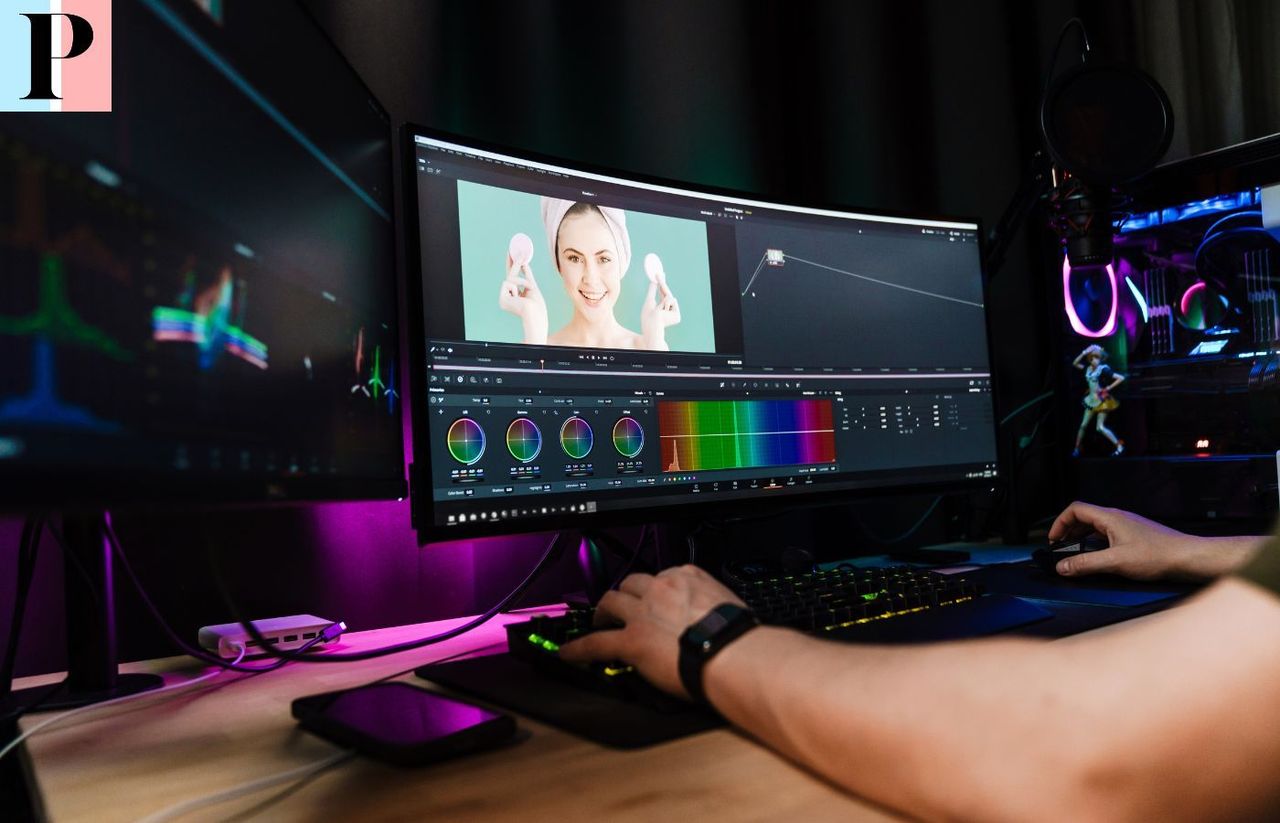
- Color correction : The editor adjusts the colors to ensure visual continuity and improve the aesthetics of the video.
- Transitions and special effects : It integrates transitions and can work with graphic designers to add special effects if necessary.
- Revisions and adjustments : The editor works closely with the director and producer to make changes until the desired final product is achieved.
Key Skills and Required Qualities
To succeed in this profession, several skills and qualities are essential:- Artistic sense : A good editor must have an artistic eye to choose the best shots and create an engaging visual story.
- Technical skills : Proficiency in video editing software (such as Adobe Premiere Pro, Final Cut Pro) is essential.
- Attention to details : Precision is key in video editing, where every detail counts for the final impact.
- Ability to tell a story : The editor must understand how to structure a story to captivate the audience.
- Patience and endurance : Editing can be a long and repetitive process, requiring patience and concentration.
- Communication skills : Working in a team with directors, producers and other technicians requires good communication skills.
- Adaptability and problem solving : The editor must be able to adapt to changes and resolve technical problems that may arise.
Among the key skills required for this profession, we find:
- Proficiency in editing software (such as Adobe Premiere Pro)
- Good knowledge of audiovisual techniques
- Great attention to detail
- A developed artistic sense
- Good time management
2-Training and Qualifications to Become a Professional Video Editor
A career as a video editor requires a combination of technical skills, creativity, and narrative understanding. While there is no single path to becoming a professional video editor, proper training and relevant qualifications can greatly facilitate your entry and success in this field.Types of Training Available
- Film Schools and Universities : Many film schools and universities offer degrees in video editing, film production, or digital media. These programs often cover a range of topics, including editing, directing, screenwriting, and producing. They also provide valuable hands-on experience, often collaborating with other students on film projects.
- Online Courses : With the advent of online education platforms, it is now possible to learn video editing through online courses. Platforms like Coursera, Udemy, and Lynda offer a variety of courses, from video editing basics to advanced techniques, taught by industry professionals.
- Self-Learning : Video editing is an area where self-learning is very viable. With a wealth of resources available online, including video tutorials, forums and blogs, aspiring editors can learn basic and advanced skills on their own.
Useful Diplomas and Certifications
- University Diplomas : A degree in video editing, film production, or digital media may be beneficial. These programs often provide solid theoretical training as well as practical experience.
- Technical Certifications : Obtaining certifications in specific video editing software, like Adobe Premiere Pro or Final Cut Pro, can strengthen your resume. These certifications demonstrate your technical competence and your commitment to your profession.
Importance of Continuing Education and Self-Training
The world of video editing is constantly evolving, with new technologies and techniques emerging regularly. To remain competitive and relevant in this field, it is crucial to engage in continuing education. This may include:- Participation in Workshops and Seminars : These events are great opportunities to learn new skills, stay up to date with the latest trends, and network with other professionals.
- Monitoring Technological Developments : Stay up to date with the latest video editing software and equipment. Experimenting with new tools can open doors to innovative editing techniques.
- Continuous Online Learning : Online education platforms regularly update their courses to reflect the latest trends and technologies, providing a valuable resource for lifelong learning.
There are several ways to train as a video editor. Here are some options:
- Diploma courses: Cinema and audiovisual schools offer training ranging from BTS at Master, including professional licenses. These courses will teach you the technical and artistic foundations of the profession as well as mastery of editing software.
- Continuing training organizations: Organizations such as Pôle Emploi or the CPF (Personal Training Account) offer short courses to acquire the skills needed to practice video editing.
- On-the-job learning: Working as an assistant video editor or intern can be a great way to learn the trade and develop your professional network.
3-Video editor tools and technical skills in video editing
Video editing is an art that combines creativity and technical mastery. To become a professional video editor, it is essential to develop a solid base of technical skills. This section explores the key tools and techniques that every aspiring video editor should know.Popular Video Editing Software
- Adobe Premiere Pro : A top choice for professionals, Adobe Premiere Pro is known for its versatility and integration with other Adobe applications. It offers a wide range of features, suitable for both beginners and experienced editors.
- Final Cut Pro X : Exclusive to Mac users, Final Cut Pro X is loved for its intuitive interface and performance optimized for Apple devices. It is particularly effective for editing high-resolution videos.
- DaVinci Resolve : Known for its advanced color correction capabilities, DaVinci Resolve is also a powerful editing tool. Its basic version is free, making it an attractive option for beginners.
- Avid Media Composer : Used in many professional film and television productions, Avid offers advanced features, but may present a steeper learning curve for beginners.
Basic and Advanced Editing Techniques
- Cutting and Assembly : The fundamental skill of editing is knowing how to cut and assemble clips smoothly. This involves understanding rhythm, timing, and narrative continuity.
- Transition Effects : Transitions between shots should be smooth and logical. It's important to know the different types of transitions and when to use them.
- Color Correction and Calibration : Mastering color correction is crucial to giving your video the mood and style you want. This includes adjusting brightness, contrast, saturation, etc.
- Special Effects and Animated Graphics : The use of special effects and animated graphics can enrich your montage, but must be done judiciously so as not to distract from the main story.
- Sound and Music : Good editing is not limited to the image; it also includes handling sound, music, sound effects and dialogue to create a complete audiovisual experience.
Understand the Technical Aspects
- File Formats and Codecs : Knowing the different video and audio file formats, as well as codecs, is essential to ensure compatibility and optimal quality of your projects.
- Resolution and Frame Rate : Understanding resolutions (HD, 4K, etc.) and frame rates (24fps, 30fps, 60fps) is important for the final rendering of the video.
- File Storage and Management : Good file management and efficient folder organization are crucial for a smooth editing workflow.
4-Build your portfolio and gain practical experience as a video editor
Video editing is a field where practice and experience are as crucial as theoretical training. For those aspiring to become professional video editors, gaining hands-on experience is a must. Here are some tips and strategies to develop your skills and build an impressive portfolio.Start with Personal Projects
- Experimentation and Creativity: Start by working on your own projects. This could be family videos, vlogs, or short films. The objective is to become familiar with editing software and to experiment with different techniques.
- Develop a Unique Style: Your personal projects are an opportunity to develop your style and voice as an editor. This will help you stand out in a competitive market.
Participate in Contests and Editing Challenges
- Develop your Skills: Entering video editing competitions can be a great way to compete against others and push your creative limits.
- Gain Visibility: These competitions are often shared on social networks or dedicated platforms, which can increase your visibility.
Do Volunteering or Internships
- Real World Experience: Offering your services to nonprofit organizations or small businesses can be a great way to gain experience while helping others.
- Professional Network: Internships, even unpaid, can open doors and allow you to meet industry professionals.
Create an Online Portfolio
- Showcase of Your Work: An online portfolio is essential for showing off your work. Include a variety of projects to demonstrate your versatility.
- Facilitate Contact: Make sure your portfolio is easy to navigate and includes your contact information for potential employers or clients.
Collaborate with Other Creators
- Collaborative Projects: Working with other videographers, directors, or content creators can give you experience in different video styles and formats.
- Expanded Network: These collaborations can also expand your professional network and open up future opportunities.
Stay Informed of Trends
- Technology watch : Stay up to date with the latest video editing trends and new technologies.
- Adaptability: Being able to adapt to new trends and techniques is crucial to staying relevant in the industry.
Feedback and Continuous Improvement
- Search for Feedback: Don’t hesitate to ask for feedback on your work. This could come from mentors, colleagues, or even online communities.
- Constant Improvement: Use this feedback to refine your skills and constantly improve your work.
- Include varied examples: Show your versatility by presenting different types of projects (commercials, fiction, documentaries, etc.).
- Highlight your technical and artistic skills: Present examples that illustrate your mastery of editing software and your sense of rhythm and storytelling.
- Be professional: Make sure your portfolio is well presented, with an attractive design and easy navigation.
5-Career opportunities and development in video editing
Networking is fundamental in the video editing industry for several reasons:- Work opportunities: Many projects are awarded by word of mouth.
- Creative collaborations: Meeting professionals from diverse fields can lead to rewarding collaborations.
- Advice and mentoring: Relationships with experienced fitters can provide valuable mentoring.
Effective Networking Strategies
- Participate in Industry Events
- Attend film festivals, workshops, conferences and seminars.
- Be active at these events: ask questions, participate in discussions, and introduce yourself to speakers and attendees.
- Use Social Networks and Professional Platforms
- Create and maintain profiles on platforms like LinkedIn, Vimeo, and Behance.
- Share your work, comment on others' posts, and join relevant professional groups.
- Collaborate on Projects
- Look for opportunities to collaborate on projects, even if they're unpaid. This can pave the way for lasting professional relationships.
- Building Authentic Relationships
- Networking doesn't have to be superficial. Aim to build authentic, mutually beneficial relationships.
Tips for Effective Networking
- Be Prepared: Always have business cards and a quick pitch ready to introduce yourself and describe what you do.
- Listen More Than You Talk: Networking is as much, if not more, about listening to others as it is about talking about yourself.
- Follow: After meeting someone, send an email or message on LinkedIn to thank the person and possibly suggest a future meeting.
Maintain and Cultivate the Network
- Stay in Touch: Send occasional updates on your projects or share interesting articles and resources.
- Offer Your Help: Be available to help your contacts. This can strengthen the relationship.
- Participate in Online Communities: Get involved in online forums and groups to stay connected and visible.
6-Tips to Succeed as a Video Editor with Job Opportunities
Video editing is a dynamic and ever-changing field, offering many opportunities for creative professionals. However, finding work as a video editor can be a challenge. Here are tips and strategies to help you navigate the job market and land the job of your dreams.Understanding the Labor Market
Sector Analysis
Video editing is crucial in various industries, including film, television, advertising, and increasingly, digital content. Understanding where your expertise might be most in demand is an essential first step.Current Trends
Stay up to date with the latest trends, like the rise of streaming video and social media content. These trends can indicate where work opportunities are most abundant.Preparation for Job Search
CV and Portfolio
Your CV must highlight your technical skills, your experience and any relevant projects. An online portfolio is also crucial. It should feature a selection of your best work, showing your versatility and unique style.Cover Letter
Personalize your cover letter for each application. Highlight how your skills and experiences meet the employer's specific needs.Job Search Strategies
Job Sites and Freelance Platforms
Consult general and specialized job sites in media and creation. Freelance platforms like Upwork or Fiverr can also be starting points to build your experience.Professional Social Networks
LinkedIn is a powerful tool. Create an attractive profile, join professional groups and participate in discussions to increase your visibility.Networking
Networking is key. Attend industry events, workshops, and even film festivals to meet professionals and learn about hidden opportunities.The Job Interview
Preparation
Research the company and project you are applying for. Be prepared to talk about your past experiences and how they apply to the role.Portfolio
Be prepared to discuss your portfolio in detail, explaining the creative and technical process behind each project.Technical and Creative Questions
Expect questions about specific software, editing techniques, and creative challenges you have encountered and overcome.Freelancing vs. Corporate Employment
Pros and Cons
Freelancing offers flexibility and variety, but may lack stability. Corporate employment may offer more security, but with less flexibility. Evaluate what best fits your lifestyle and career goals.Build a Reputation
Whether you choose to freelance or work in-house, building a good reputation is crucial. Deliver quality work, meet deadlines, and communicate effectively. Here are some valuable tips for succeeding as a video editor:- Stay up to date with the latest trends and technologies: The world of video editing is changing rapidly, so staying up to date is essential to staying competitive.
- Develop a professional network: Build relationships with other audiovisual professionals (directors, producers, etc.) to increase your chances of landing interesting projects.
- Be patient and persistent: Video editing is a demanding profession that requires time and practice to master all the required skills.