BAR-TH-145: Overall renovation of a collective residential building
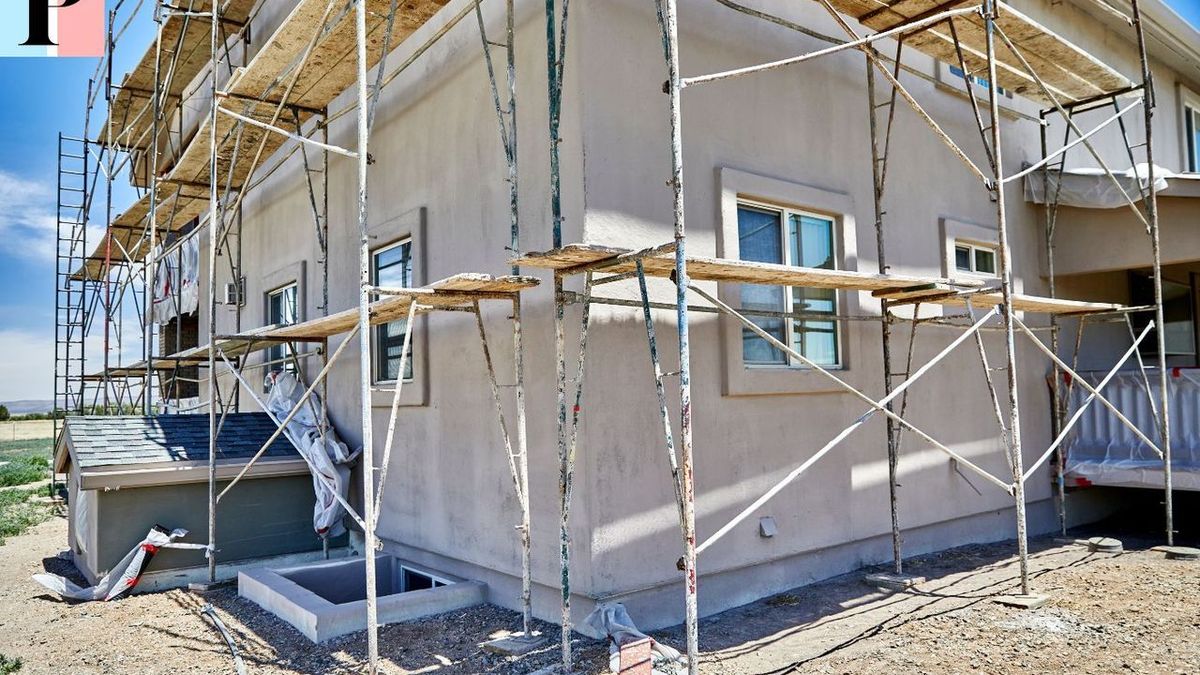
The overall thermal renovation of a collective residential building is an essential step to improve energy efficiency and reduce the carbon footprint. This operation, governed by the standardized operation sheet BAR-TH-145, applies to existing collective residential buildings in mainland France. It aims to determine and implement a set of works optimized on a technical and economic level.
Sector of application and Name
The operation specifically concerns existing collective residential buildings. It aims for a global thermal renovation, that is to say a complete intervention on the building to improve its energy efficiency. This approach cannot be combined with other work giving rise to energy saving certificates, in particular those linked to heating, the production of domestic hot water, ventilation,insulation of the building envelope or building automation and control systems.
Conditions for the Issuance of Energy Savings Certificates
The conditions for obtaining energy savings certificates (EEC) vary depending on the period of work commitment:
-
Before December 31, 2020 : The professional must hold a “Global Offer” certification or a quality sign complying with legal requirements, depending on the category of work carried out.
-
From January 1, 2021 : The professional must have a quality sign corresponding to the work carried out, in accordance with regulatory requirements.
For all operations, an energy study must be carried out before the work. This study follows the TH-C-E ex calculation method and must comply with the legal provisions in force. It must be carried out by a qualified service provider, whose skills are certified by specific certifications.
Energy Study and Minimum Performance
The preliminary energy study is crucial and must meet several criteria for the operation to be validated:
- Primary energy consumption after works : Must be less than 331 kWh/m².year for heating, cooling, domestic hot water production, lighting, and associated auxiliaries.
- Energy gain : Must represent at least 35% reduction compared to consumption before works.
- Greenhouse gas emissions : Annual emissions after renovation must be equal to or lower than those before the work, taking into account calculations based on the ADEME Carbon Base®.
Documentation and Proof of Implementation
The documents needed to prove completion of the transaction include:
- An energy study detailing consumption before and after work, as well as the energy gain obtained.
- A list of work carried out with their performance levels, dated and signed by the parties concerned.
- Certifications of the companies that carried out the work.
If the planned work changes, the energy study must be updated accordingly.
Calculation of Energy Savings Certificates
The amount of the certificates is calculated based on the reduction in energy consumption after renovation. The formula used is as follows:
(Cef initial–Cef project)×Shab×18(Cef text{ initial} – Cef text{ project}) times Shab times 18
Or :
- Initial cef : Energy consumption before works.
- This project : Energy consumption after work.
- Shab : Living area of the building.
View our PDF for more information
Conclusion
There overall thermal renovation of a collective residential building is a demanding process, requiring careful planning and strict compliance with current standards. Compliance with these conditions not only improves the energy performance of the building, but also to obtain energy savings certificates, thus contributing to the global energy transition.
This standardized operation sheet BAR-TH-145, with its annexes, constitutes an essential guide for professionals and owners wishing to engage in an effective global thermal renovation that complies with French regulations.