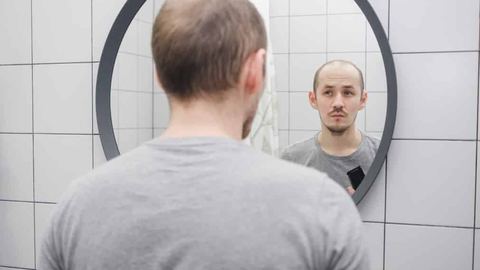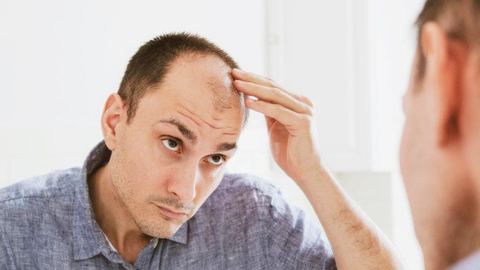
Baldness: what impact on self-esteem?
The causes of baldness
Baldness, also known as alopecia, is a health problem that affects both men and women. It can cause worry and anxiety, affecting self-esteem and self-confidence. Understanding the causes of baldness is essential to being able to prevent and treat it effectively. In this article, we will explore the different causes of baldness and the treatment options available.
Genetic factors
The main cause of baldness is often genetic. Androgenetic alopecia, also called male or female pattern baldness, is the most common form of pattern baldness. It is inherited on both sides of the family and is caused by a sensitivity to male hormones, called androgens. In men, this results in progressive hair loss from the temples and crown of the head, often forming a “crown” of hair around the head. In women, female pattern baldness manifests itself as diffuse hair loss over the entire scalp.
Hormonal imbalance
Hormonal imbalances can also contribute to baldness. High levels of certain hormones, such as androgens, can cause excessive hair loss. Common hormonal disorders, such as polycystic ovary syndrome (PCOS) in women, can lead to hair loss. Additionally, hormonal changes related to menopause in women and aging in men can also lead to baldness.
Poor diet
An unbalanced diet low in essential nutrients can impact hair health. Deficiencies of vitamins (such as vitamin D, vitamin B12, vitamin E) and minerals (such as iron, zinc) can weaken hair and lead to excessive shedding. It is important to consume a balanced, nutrient-rich diet to maintain hair health.
Stress and trauma
Physical and emotional stress as well as trauma can impact hair health. Stress can disrupt the hair growth cycle, leading to excessive shedding. Likewise, physical trauma, such as a scalp infection, burn, or injury, can damage hair follicles and cause hair loss. It is important to proactively manage stress and take care of your physical and emotional well-being.
Side effects of medications
Some medications, such as cancer medications, antidepressants, blood thinners, and acne medications, can cause hair loss as a side effect. If you notice excessive hair loss after starting a new medication, it is important to talk to your doctor to explore other options.
Treatments
There are several treatment options available for baldness, depending on its cause and severity. Among the most common treatments are medications, such as minoxidil and finasteride, which can help stimulate hair growth. Hair transplants, laser therapy and other medical treatments may also be considered for advanced baldness.
In conclusion, baldness can have many causes, ranging from genetic factors and hormonal imbalances to stress and trauma. Understanding these causes is essential to being able to effectively prevent and treat baldness. If you are concerned about your hair loss, it is important to consult a healthcare professional for an accurate diagnosis and tailored treatment recommendations.
The psychological consequences
The psychological consequences of baldness
Baldness is a common phenomenon that affects many men and women around the world. Although it is often considered a cosmetic problem, it is important to understand that baldness can have significant psychological impacts on those who suffer from it. In this article, we will explore the psychological consequences of baldness and strategies to overcome them.
Loss of self-confidence
One of the main psychological consequences of baldness is a loss of self-confidence. Hair is often seen as an expression of beauty and youth, and hair loss can feel like losing these attributes. This can lead to decreased self-esteem and self-confidence.
To overcome this loss of confidence, it is important to remember that beauty and worth are not defined by physical appearance. It is essential to focus on your other qualities, such as personality, skills, accomplishments and relationships. By working on self-esteem and highlighting your strengths, it is possible to regain solid self-confidence, regardless of baldness.
Social anxiety
Baldness can also generate social anxiety, especially in situations where appearance is focused on self-image. For example, some people may avoid social activities, dating, or public events for fear of judgment and stigma related to their baldness.
To deal with this social anxiety, it can be helpful to remember that physical appearance does not determine our worth as an individual. You can also try stress management techniques, like deep breathing, meditation, or positive visualization, to help you feel calmer and more comfortable in social situations.
Depression and isolation
Baldness can also be a factor in depression and social isolation. Some people may feel sad or depressed because of the impact of baldness on their appearance and self-esteem. They may also withdraw socially, avoiding social interactions and activities due to shame and embarrassment related to their baldness.
It is important to seek support if you are experiencing symptoms of depression or isolating yourself due to baldness. Talking to a mental health professional can help you understand and express your emotions, as well as develop strategies for coping with depression and isolation. It is also important to maintain strong social connections, by surrounding yourself with positive and caring people.
Baldness can have significant psychological consequences, such as loss of self-confidence, social anxiety, depression and isolation. However, it is important to remember that beauty and worth are not determined by physical appearance. By working on self-esteem, developing stress management techniques and seeking support, it is possible to overcome the psychological consequences of baldness and regain strong self-confidence and emotional well-being.
How to manage the impact of baldness on self-esteem?
Baldness is a condition that can have a significant impact on a person's self-esteem. Hair loss can be experienced as a loss of youth, beauty and self-confidence. However, it is possible to manage and overcome this impact on self-esteem by adopting certain strategies and developing a positive attitude towards yourself.
1. Accept change
The first step to managing the impact of baldness on self-esteem is to accept change. It is important to recognize that baldness is a natural process that can affect everyone at some point in their life. By accepting this reality, it is possible to free ourselves from social pressure and idealized beauty standards.
2. Learn about baldness
It is essential to educate yourself about baldness and understand the causes and the different treatments available. This helps demystify baldness and feel more in control of the situation. There are many online resources, support groups and associations that can provide useful information and practical advice for managing baldness.
3. Reassess your perception of beauty
Baldness does not mean the end of beauty and attractiveness. It is important to re-evaluate one's perception of beauty and remember that beauty lies in the diversity and uniqueness of each individual. Focusing on your other qualities and strengths can help build self-esteem and feel good about yourself, regardless of baldness.
4. Opt for a new hair style
A change in hair style can have a significant impact on self-esteem. Instead of hiding baldness, opting for a short haircut or shaving your head can be a solution that allows you to fully embrace your baldness and feel confident. Working with a professional hairstylist can help you find the haircut that best suits your personality and lifestyle.
5. Use suitable hair products
There are many hair products that can help improve the appearance of thinning hair or baldness. Hair powders, volumizing sprays or even hair fibers can be used to give the impression of fuller hair and cover bald areas. It's important to experiment and find the products that work best for you.
6. Consult a healthcare professional
If baldness significantly affects self-esteem and psychological well-being, it may be helpful to consult a health professional, such as a psychologist or psychiatrist. They can provide emotional support, stress management strategies and advice to improve self-esteem. They may also recommend specific therapies, such as cognitive-behavioral therapy, to help overcome negative thoughts and develop a more positive attitude toward oneself.
Baldness can have an impact on self-esteem, but it is possible to manage this impact in a positive way. By accepting change, learning about baldness, re-evaluating one's perception of beauty, opting for a new hair style, using appropriate hair products and consulting a healthcare professional, it is possible to improve self-esteem and living fully despite baldness. It is important to remember that beauty is subjective and self-esteem lies in how we perceive and accept ourselves.