Baldness in women: What are the causes and solutions?
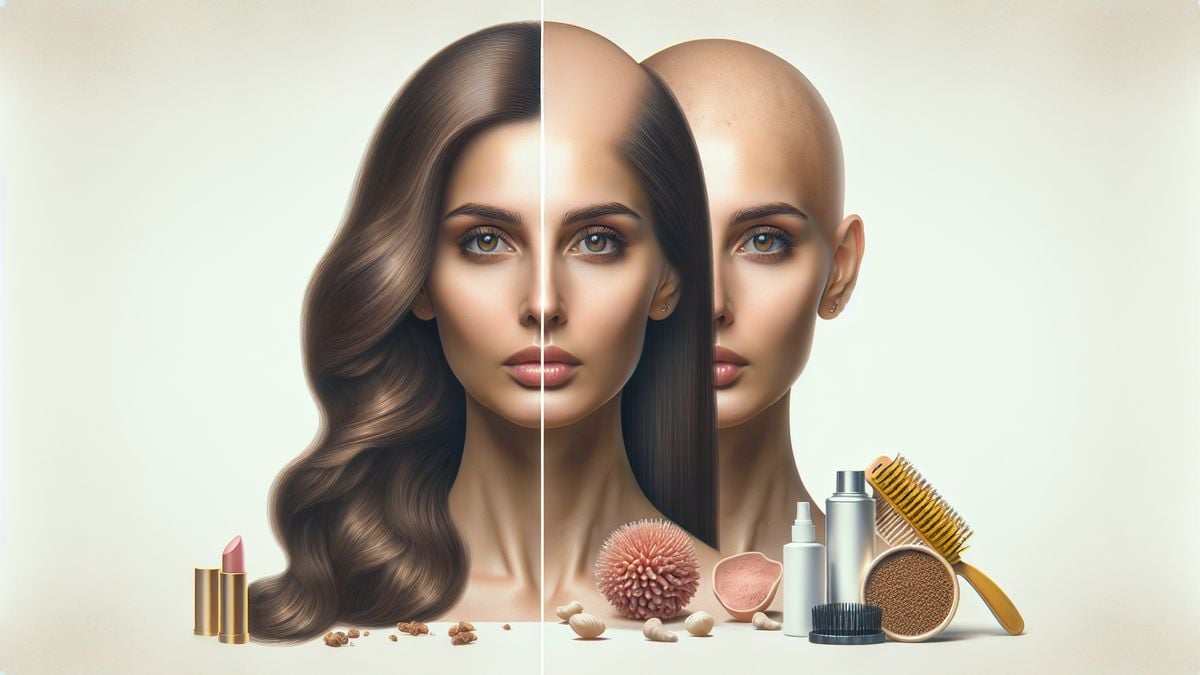
The causes of baldness in women
Baldness, known as alopecia, is usually associated with men. However, it is important to note that women too can suffer from hair loss. Baldness in women can be devastating, both physically and psychologically. So, what can cause baldness in women? We will explore the main causes in this article.
Heredity
Hereditary baldness is the main cause of hair loss in women. If your parents or other family members have lost their hair, there is a good chance that you too are predisposed. This form of baldness is called female androgenetic alopecia and is caused by a genetic sensitivity to male hormones called androgens.
Hormonal imbalance
Hormonal fluctuations can also play a role in female pattern baldness. Certain medical conditions such as polycystic ovary syndrome (PCOS) and menopause can cause hormonal imbalances that can lead to hair loss. Additionally, hormonal changes during pregnancy and childbirth can also cause a temporary period of hair loss in women.
Stress
Stress, whether physical or emotional, can have a significant impact on hair health. Stressful events such as trauma, serious illness or surgery can lead to hair loss in women. This condition, known as telogen effluvium, is usually temporary and hair grows back once the stress is managed.
Autoimmune diseases
Autoimmune diseases, such as lupus or psoriasis, can also cause baldness in women. In these conditions, the immune system attacks the hair follicles, leading to hair loss. It is important to consult a doctor for an accurate diagnosis and proper treatment, as these diseases can also affect other parts of the body.
Medical treatments
Certain medical treatments, such as chemotherapy or radiation therapy, can cause hair loss in women. These treatments target cancer cells, but also affect normal growing cells, including cells in hair follicles. Hair loss caused by these treatments is usually temporary, and the hair will grow back once the treatment is complete.
Poor diet
An unbalanced diet low in essential nutrients can also contribute to baldness in women. Deficiencies of vitamins and minerals such as iron, vitamin D, zinc and omega-3 fatty acids can weaken hair and lead to hair loss. It is therefore important to maintain a healthy and balanced diet to prevent baldness.
Baldness in women can be caused by a variety of factors, including heredity, hormonal imbalances, stress, autoimmune diseases, medical treatments and poor diet. It is important to consult a healthcare professional if you are suffering from hair loss to get an accurate diagnosis and determine the best treatment for your condition. By taking a holistic approach with lifestyle changes, appropriate medical treatments and a balanced diet, it is possible to prevent, slow or reverse pattern baldness in women.
Solutions to treat baldness in women
Baldness in women can be a sensitive and difficult subject to deal with. Fortunately, today there are several solutions to treat this problem and regain dense and voluminous hair. In this article, we will explore the different options available to combat female pattern baldness.
1. Specific hair products
There are many hair products on the market that are specifically designed to treat baldness in women. These products work by stimulating hair growth and strengthening hair follicles. Some products contain natural ingredients like biotin, saw palmetto or castor oil, which are known to promote hair growth.
It is important to choose products suited to your hair type and to use the recommended treatments regularly. It is best to consult a dermatologist or hair specialist to get personalized advice and find the products best suited to your situation.
2. Medical treatments
In some cases, when female pattern baldness is caused by hormonal or medical factors, it may be necessary to seek medical treatments to treat the problem. The two most commonly used treatments are minoxidil and spironolactone.
Minoxidil is a topical medication that stimulates hair growth by prolonging the growth phase of hair follicles. Spironolactone, on the other hand, is an oral medication often prescribed to treat excess testosterone in women, which can be one of the causes of baldness.
It is important to note that these treatments may have side effects and should be used under medical supervision. It is essential to consult a healthcare professional before starting medical treatment for baldness.
3. Hair transplantation
Hair transplantation is a more invasive but very effective solution to treat baldness in women. This procedure involves taking hair follicles from a donor area (usually the back of the head) and implanting them into the balding areas.
Hair transplantation is carried out by a specialized surgeon and requires local anesthesia. The results are generally long-lasting and the hair grows back naturally.
It is important to note that hair transplantation is an expensive solution and requires some recovery time. It is therefore essential to be well informed and take into account all aspects before opting for this option.
4. Cosmetic solutions
In addition to medical treatments and hair transplants, there are also cosmetic solutions to camouflage baldness in women. For example, hair powders, hair extensions and wigs can be used to give the illusion of fuller hair.
These solutions are more temporary and require regular maintenance. However, they can be very useful for regaining self-confidence while waiting for the results of medical treatments or hair transplantation.
In conclusion, there are several solutions available today to treat baldness in women. It is important to consult a health professional or hair specialist to determine the cause of baldness and find the most appropriate solution. Whether through specific hair products, medical treatments, hair transplants or cosmetic solutions, it is possible to regain dense and voluminous hair.