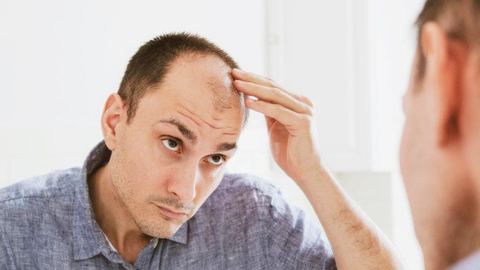
Baldness: How to recognize the first signs of its appearance?
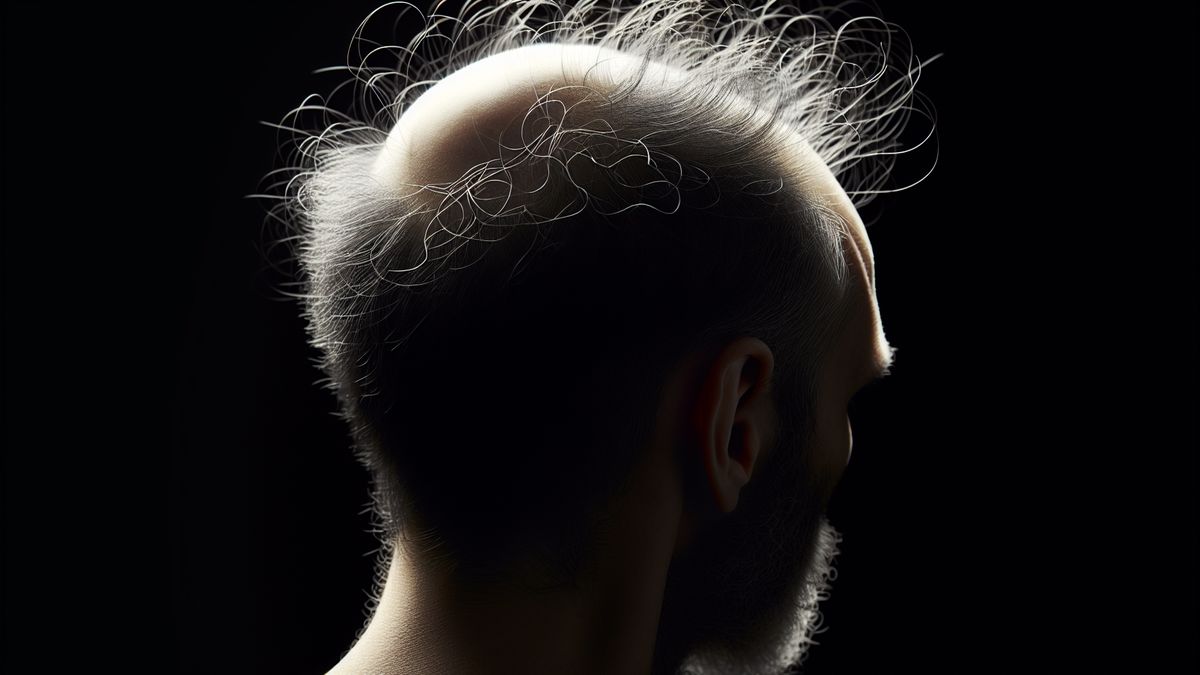
The causes of baldness
Baldness, also known as alopecia, is a hair problem that affects many people, both men and women, at different stages of their lives. Many factors can contribute to hair loss, whether genetic, hormonal, environmental or lifestyle factors. In this article, we will explore the most common causes of baldness.
Genetic baldness
Genetic pattern baldness, also known as androgenetic alopecia, is the most common cause of hair loss in men. It is often inherited from parents, and is characterized by progressive thinning of hair and excessive loss. In women, genetic pattern baldness can also occur, but it usually manifests as diffuse hair loss across the entire scalp.
Hormones
Hormones play an important role in hair growth and hormonal imbalance can lead to hair loss. Hormonal fluctuations due to menopause, pregnancy, taking birth control pills, or thyroid problems can all contribute to baldness. In some cases, male sex hormones (androgens) can interfere with the hair life cycle, leading to excessive hair loss.
Stress
Physical or emotional stress can have a significant impact on hair health. Prolonged stress can lead to a condition called telogen effluvium, where more hair enters a resting phase and falls out prematurely. Although this type of baldness is usually temporary and can be reversed once the stress is treated, it is important to manage stress appropriately to maintain optimal hair health.
Nutritional deficiencies
A balanced and nutritious diet is essential for hair health. A deficiency in certain nutrients such as iron, vitamins D and B, protein and amino acids can lead to hair loss. It is important to eat a variety of healthy foods to ensure adequate intake of essential nutrients to promote hair growth.
Hair trauma
Harsh hair treatments, such as excessive hair pulling, tight braiding, excessive use of chemicals, or excessive heat from styling tools, can damage hair follicles and lead to temporary or permanent hair loss. It is important to take care of your hair and protect it from damage caused by excessive hair treatments.
Diseases and medical treatments
Certain illnesses, such as lupus or thyroid disease, can cause hair loss. Additionally, certain medical treatments such as chemotherapy can also cause temporary or permanent alopecia. It is important to consult a healthcare professional for proper diagnosis and treatment if you suspect your hair loss is due to illness or medical treatment.
Baldness can be caused by several factors, from genetics to hormones, stress, nutritional deficiencies, hair trauma and medical problems. It is important to understand the possible causes of baldness so that you can take appropriate steps to promote hair health. If you are concerned about your hair loss, it is recommended that you consult a healthcare professional for an accurate diagnosis and treatment recommendations tailored to your individual situation.
The first signs of baldness
Baldness is a hair problem that can affect both men and women. It can have a notable impact on self-confidence and self-esteem. It is therefore essential to recognize the first signs of baldness in order to act quickly and take the necessary measures. In this article, we will introduce you to the most common signs of baldness in men and women.
Signs of baldness in men
Male pattern baldness, also known as androgenetic alopecia, is the most common form of pattern baldness in men. Here are the most common signs:
- Hair loss at the temples: Hair begins to thin and gradually recede from the temples, forming what are called “gulfs” or “grooves”.
- Hairline narrowing: The hairline begins to recede, creating a higher, more pronounced hairline.
- Generalized thinning: hair becomes finer and less dense, particularly on the top of the head.
- Bald Patch: A bald patch may form on the back of the head, creating an inverted “M” shape.
Signs of baldness in women
Female pattern baldness can present itself in different ways. Unlike men, women do not usually develop bald patches, but they may experience the following signs:
- Hair thinning: Hair becomes finer and thinner, especially on the top of the head.
- Widening of the parting: the central parting can become wider, making the scalp more visible.
- Loss of volume: Hair tends to look flat and lifeless due to loss of hair density.
- Diffuse hair loss: Hair loss may be evenly distributed throughout the head rather than concentrated in one specific area.
When to consult a specialist?
If you notice these signs of baldness, it is important to consult a hair specialist as soon as possible. The sooner you take action, the more likely you are to slow or stop the progression of baldness. The specialist will be able to assess your situation, make a precise diagnosis and offer you appropriate treatment.
In conclusion, recognizing the first signs of baldness is the first step towards effective management of this hair problem. Whether you are a man or a woman, it is essential to monitor the progress of your hair and consult a specialist as soon as the first signs of baldness appear. With the right treatments and appropriate care, it is possible to slow down or even stop the progression of baldness.
Solutions against baldness
Baldness is a very common problem, affecting both men and women. Fortunately, today there are several solutions to stop or slow down this phenomenon. In this article, we will review the different options available to combat baldness.
Hair transplantation
Hair transplantation is an increasingly popular solution for treating baldness. This technique consists of taking hair follicles from an area of the scalp where the hair is denser, to re-implant them on the bald area. This method achieves natural and long-lasting results, but it requires surgery and can therefore be expensive.
Drug treatments
There are also drug treatments to combat baldness. Minoxidil and finasteride are two commonly used medications. Minoxidil is a vasodilator that stimulates hair growth, while finasteride is an inhibitor of 5-alpha reductase, an enzyme that plays a key role in hair loss. These treatments can be effective, but they must be used long term to maintain results.
Hair prostheses
Hair prostheses are another solution to mask baldness. These devices are made from synthetic or natural hair and are attached to the scalp using glue or clips. Hair prostheses allow you to immediately obtain an aesthetic result, but they require regular maintenance and must be replaced every few months.
Cosmetic products
In addition to the solutions mentioned above, there are many cosmetic products designed specifically to combat baldness. Shampoos, lotions and hair sprays containing active ingredients such as biotin or caffeine can help strengthen existing hair and promote growth. However, it is important to note that these products cannot reverse the balding process, but they can improve the appearance of existing hair.
Hair camouflage
Finally, hair camouflage is a temporary solution to hide baldness. Hair makeup, coloring powders and hair fibers are used to create the illusion of fuller hair. These products are applied directly to the scalp and fade with washes. Hair camouflage can be useful for people who want to hide their baldness discreetly and quickly.
In conclusion, there are many solutions to combat baldness, whether through surgical interventions, drug treatments, hair prostheses, cosmetic products or hair camouflage. It is important to consult a hair health professional to determine the best solution for each case. Remember that it is also essential to adopt a healthy lifestyle by eating a balanced diet, avoiding stress and taking care of your hair to maintain its health and vitality.