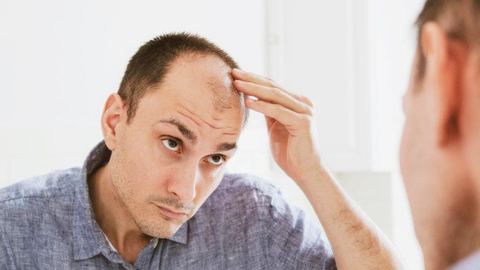
Baldness: how to prevent and treat it?
The causes of baldness
Heredity
The main cause of baldness, also known as androgenetic alopecia, is genetic predisposition. If your parents or grandparents experienced significant hair loss, your chances of developing baldness are higher. This form of baldness is more common in men, but can also affect women.
Hormonal imbalance
Hormonal imbalance can also contribute to hair loss. Hormones play a vital role in regulating the hair growth cycle. Excess dihydrotestosterone (DHT), a hormone related to testosterone, can weaken hair follicles and cause them to fall out prematurely. Women may also experience hair loss due to hormonal imbalances related to pregnancy, menopause or thyroid disorders.
Bad Hair Care Habits
Certain hair care habits can worsen or accelerate baldness. Excessive use of harsh chemicals, such as hair dyes or heat styling products, can damage hair and make it more brittle. Constantly pulling or squeezing hair, whether with tight braids, high ponytails, or extensions, can also cause excessive pulling on follicles and cause hair loss.
Environmental factors
The environment we live in can also play a role in baldness. Prolonged exposure to things like pollution, UV rays from the sun, harsh chemicals, or oxidative stress can weaken hair follicles and cause them to fall out prematurely.
Diseases and medical treatments
Certain illnesses, such as lupus, anemia, diabetes, or thyroid disorders, can cause hair loss. Likewise, certain medical treatments such as chemotherapy, radiotherapy or taking certain medications can also lead to temporary or permanent alopecia.
Stress and lifestyle
Chronic stress can impact overall health, including hair health. Prolonged stress can disrupt the hair growth cycle and lead to premature loss. Additionally, an unhealthy lifestyle, characterized by an unbalanced diet, excessive alcohol consumption, lack of physical exercise and lack of sleep, can also contribute to baldness.
Now that you know the main causes of baldness, it is important to understand that prevention and treatment vary depending on each individual. Do not hesitate to consult a healthcare professional, such as a dermatologist or trichologist, to obtain an accurate assessment and advice tailored to your specific situation.
Prevention of baldness
Baldness: a common problem
Baldness, also known as alopecia, is a common hair problem that affects both men and women. It is characterized by progressive hair loss, leading to a decrease in hair density and eventually complete baldness in the affected areas.
Understanding the causes of baldness
Baldness can be caused by several different factors. The most common factor is heredity, with a genetic predisposition predisposing some people to developing baldness. Other factors such as aging, hormones, stress, autoimmune diseases and certain medical treatments can also contribute to hair loss.
Baldness prevention: myth or reality?
There is no miracle method to completely prevent baldness. However, it is possible to take certain measures to slow down hair loss and maintain better hair density.
Adopt a good diet
A balanced diet rich in essential nutrients is beneficial for hair health. Foods rich in protein, iron, zinc, B vitamins and omega-3 fatty acids are particularly important for hair growth. It is also recommended to drink enough water to maintain adequate hydration.
Avoid stress
Stress can contribute to hair loss. It is therefore essential to find effective ways to manage stress on a daily basis. Practicing relaxation techniques such as meditation, yoga, or deep breathing can help reduce stress and its harmful effects on hair health.
Taking care of your hair
Good hair hygiene is important to maintain healthy hair and reduce the risk of hair loss. It is recommended to use products suitable for your hair type, avoid tight hairstyles that pull on the hair and limit excessive use of styling products and heat.
Medical and cosmetic treatments
In some cases, it may be necessary to resort to medical or cosmetic treatments to slow hair loss. Options include prescribed medications (such as minoxidil), dietary supplements, hair lotions, and hair transplant surgeries. It is best to consult a dermatologist to determine the best approach for each individual.
Preventing baldness is a complex process that requires a holistic approach. Although it is not possible to completely prevent baldness, it is possible to take steps to slow hair loss and maintain better hair density. Adopting a good diet, managing stress, taking care of your hair and consulting a specialist if necessary are all ways to prevent or delay baldness.
Possible treatments to combat baldness
Baldness, also known as alopecia, is a common problem that affects both men and women. This can be a source of concern and aesthetic discomfort. Fortunately, today there are many effective treatments to combat baldness and promote hair regrowth. In this article, we will review the different treatment options available.
1. Drug treatments
Medication treatments are often the first line of defense against baldness. Two of the most commonly used treatments are minoxidil and finasteride.
- THE minoxidil is a topical lotion that stimulates blood circulation in the scalp, thereby promoting hair regrowth. It is generally applied twice daily and must be used continuously to maintain results.
- THE finasteride is an oral medication that blocks the conversion of testosterone to dihydrotestosterone (DHT), a hormone that contributes to baldness in men. It is usually taken once daily and can reduce hair loss and stimulate regrowth.
2. Hair transplant
Hair transplantation is a surgical option to treat baldness. This procedure involves taking hair follicles from a donor area (usually the back of the head) and implanting them into balding areas. There are two main hair transplant techniques: the strip technique and the FUE (Follicular Unit Extraction) technique. Hair transplantation offers permanent and natural results.
3. Laser therapies
Laser therapies are a non-invasive option for stimulating hair regrowth. These treatments involve the use of laser devices that emit low-intensity light onto the scalp. This promotes blood circulation and stimulates hair follicles for denser hair regrowth. Laser therapies can be performed in a clinic or at home with portable devices.
4. Topical Hair Treatments
In addition to the previously mentioned minoxidil, there are other topical hair treatments that can help combat baldness. These products often contain active ingredients such as peptides, vitamins and herbal extracts that nourish hair follicles and promote hair regrowth. It is important to choose quality products and use them regularly to achieve the best results.
5. Alternative medicine
In addition to conventional treatments, there are also alternative medicine approaches that claim to help combat baldness. This may include herbal treatments, dietary supplements and natural therapies such as acupuncture or hair microscopy. It is important to note that the effectiveness of these treatments is not always scientifically proven, and it is recommended to consult a healthcare professional before trying them.
Baldness can be a source of frustration and insecurity for many people, but there are many treatment options available. Whether you opt for drug treatments, hair transplantation, laser therapies, topical hair treatments or alternative medicine approaches, it is important to consult a healthcare professional for advice tailored to your specific case. Don't forget that a healthy lifestyle, a balanced diet and stress management can also contribute to the health of your hair.