Are KFC restaurants Halal?
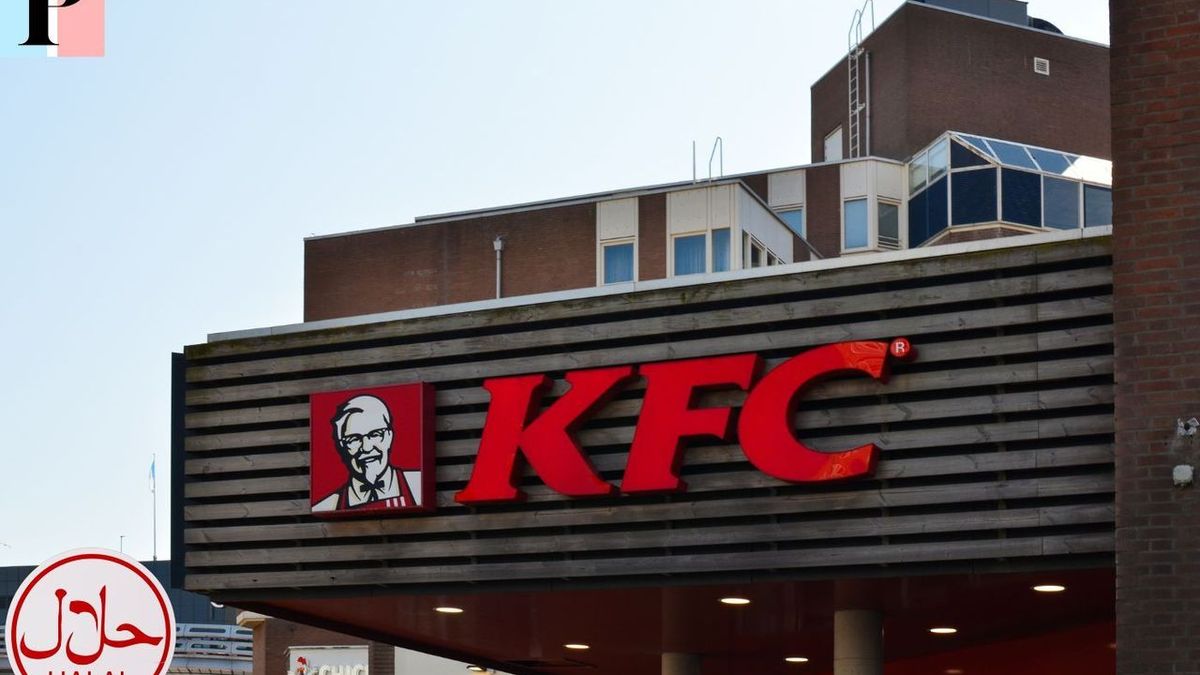
The world of fast food is full of diverse options and menus, but for the Muslim community, the question of halal compliance remains central in the choice of an establishment.
Among these international brands, KFC, the fast food chain specializing in fried chicken, regularly raises the question: are its restaurants really halal? This article aims to explore in detail the halal certification of KFC restaurants.
Through an analysis of food regulations and certification halal, we will examine the steps taken by the chain to meet the requirements of this certification.
We will also address the transparency of processes, the traceability of products and consistency with the expectations of consumers keen to respect the precepts of halal food. So many elements which will enlighten consumers on the possibility of enjoying a meal at KFC in accordance with their faith and their diet.
Understanding Halal Certification
The term Halal comes from Islamic law and refers to everything that is permitted for Muslims. For a product to be considered Halal, it must meet certain strict religious criteria, particularly when it comes to food. But what about Halal certification and its challenges? In an international context where demand for Halal products continues to grow, it is essential to understand the scope of this certification.
Halal Certification: Definition and Standards
There Halal certification is a process by which a competent authority certifies that a product or service complies with the laws and regulations of Islam.
For the halal meat, for example, it implies a specific slaughter carried out by a Muslim with a religious invocation, and the bloodying must be complete. But the spectrum of Halal certification extends well beyond meat products.
In Algeria, for example, a list of products requiring Halal certification has been published, highlighting the scope to which certification can apply. In Belgium, even Liège syrup has not escaped the controversy raised by its Halal status, demonstrating the socio-cultural impact of this certification.
The Benefits of Halal Certification
For consumers, the Halal certification provides assurance that the products they purchase are consistent with their religious beliefs and practices. For businesses, it opens international markets and meets growing demand.
However, challenges lie in the diversity of interpretations of Halal and the lack of a unified national certification, which can lead to confusion and mistrust among consumers.
Controversy and Authenticity: Certification in Question
Halal, which was followed by censorship and heated debate. Faced with these controversies, some brands, such as Isla Délice, proudly claim their Halal status, attempting to strengthen consumer confidence.
Conclusion: Transparency and Reliability
For consumers keen to respect their religious principles, the need for clear and transparent Halal certification is undeniable.
This requires better regulation, national standardization where possible, and above all open communication between certification bodies and the public.
Halal certification is not just about food compliance; it’s also about trust and authenticity in an ever-changing market.
KFC's practices in the face of Halal requirements
The craze for fast food and the need to respect religious precepts have often led to questions about the conformity of the products served by giants like KFC.
Despite its international brand image, the question of whether KFC is halal or not remains hot. The complexity of the subject lies in a plurality of halal standards and corporate policies that vary by region.
What is Halal?
It is essential to remember that the term "halal"for the halal butcher or foods, which means "lawful" in Arabic, refers to what is permitted under Islamic law. In the food context, this concerns the methods of slaughtering animals, the type of food consumed, and the production processes which must be free from anything considered "haram", or prohibited. The strict criteria of halal certification must therefore be applied to meet these requirements.
The KFC controversy
A notable episode in the halal controversy occurred when a saudi sheikh urged consumers to avoid the brand's chicken Soft, a supplier to KFC, due to doubts about whether their slaughtering methods conformed to religious precepts. This fact has sowed doubt among many Muslim consumers keen to respect their faith.
In the United States, a case highlighted the company's constraints regarding halal requirements. A Muslim franchisee suffered a legal setback against KFC, prohibiting it from promoting its chicken as halal. This reveals the difficulties of combining the specific requirements of a global channel with local religious specificities.
Halal Practices and Certification at KFC
The presence of restaurants KFC Halal certified is a reality in certain countries with a large Muslim population, where these establishments must meet the demand of their customers.
However, this certainty is not universal. The diversity of halal standards and certification authorities around the world makes it difficult for a company like KFC to ensure a uniform halal policy globally.
The adoption of halal practices implies unwavering respect for the slaughtering process, but also traceability and rigorous monitoring of the production chain.
At the house of KFC, the mission is all the more difficult as the brand must maneuver between consumer expectations and its contractual obligations with its various suppliers.
How to orient yourself as a consumer?
For a consumer concerned about halal consumption, it is essential to find out about the presence of a halal certification clear and transparent, and to find out locally because the situation can vary from restaurant to restaurant KFC to the other.
It is also important to approach the subject of halal with caution and to refer to renowned religious authorities and certificates recognized by the Muslim community.
Despite the controversy and challenges KFC faces in complying with halal requirements in the global market, it is up to consumers to make informed choices based on verified information, and for restaurant businesses to facilitate access to this information.
Ultimately, KFC restaurants are faced with a complex problem in harmonizing their practices with standards halal. This requires careful analysis on the part of consumers who want to maintain their conformity to the precepts of their religion while still allowing themselves to enjoy the pleasures of fast food.
The situation of KFC restaurants in France and internationally
Analysis of the presence of the halal label in KFC restaurants in France
The question of the availability of diet-compliant dining options halal frequently arises among Muslim consumers in France, where demand for these products is significant. Regarding the fast food chain KFC (Kentucky Fried Chicken), this analysis highlights a contrasting situation across French territory.
Local initiatives have been observed where some KFC restaurants have chosen, of their own accord, to offer certified chicken halal in order to adapt to their customers. However, it is noted that no uniform corporate policy has been adopted by the chain nationwide. Thus, the presence of the halal label in KFC restaurants varies greatly from one establishment to another.
It is essential for consumers to check certificates of halal certification displayed in establishments or to obtain information directly from staff. The recognition of certification bodies is also essential, because not all of them enjoy the same reputation for the rigor of their controls and the conformity of their practices to Islamic precepts.
The presence of the halal label in KFC restaurants internationally
By turning internationally, the situation of restaurants KFC differs significantly depending on the country and local regulations in force. In some states with large Muslim populations, KFC has implemented a strategy for adjusting its products to meet halal requirements. For example, in the Middle East, Malaysia or Indonesia, guarantees are given regarding the halal compliance products served.
The process of obtaining the label halal for these restaurants often includes a strict audit of the supply chain, from the slaughter of poultry to the processing of products in the kitchen. Certifications are issued by organizations recognized and respected by the local Muslim community.
However, in countries where the Muslim population is a minority, KFC restaurants do not systematically offer halal options. In these cases, the fast food chain generally opts for a standard configuration of its menu, without halal certification. This is often explained by economic considerations or by a lack of knowledge of the particularities of halal certification by local franchise managers. Finally, it should be remembered that halal certification is not a uniform global process and varies considerably from one region to another. For the consumer seeking halal compliance, personal vigilance and research effort remain necessary, whether in France or abroad.