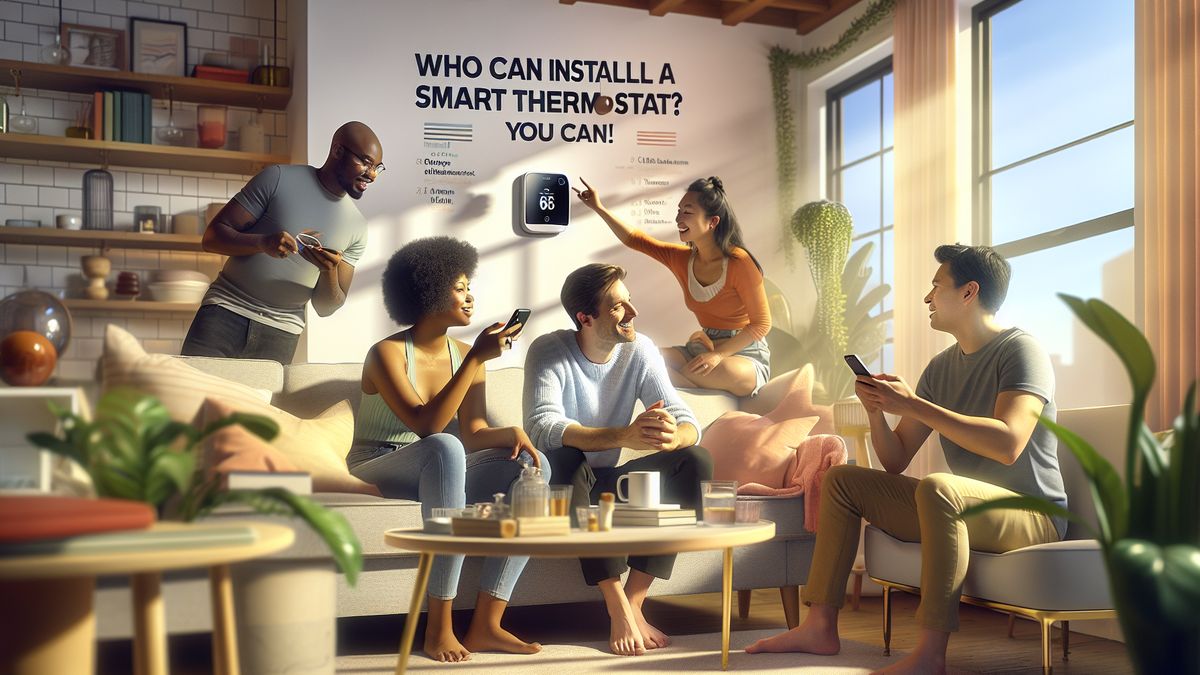
Who can install a connected thermostat?
|
AT A GLANCE
|
Installing a smart thermostat is a key step in optimizing comfort and energy savings in a home. However, the question often arises: who is really able to carry out this installation? Whether it is an individual wishing to get involved in improving their home, a building professional or a specialized technician, several options are available to those who wish to adopt this modern technology. This article guides you on the skills required and the steps to follow for a successful installation.
The smart thermostat is an increasingly popular piece of equipment in modern homes for its ability to optimize thermal comfort and save energy. However, its installation can seem complex for some. This article explores who can install a smart thermostat, looking at both homeowners, renters, and professionals qualified to do so.
Homeowners
Owning your own home has several advantages, especially when you want to improve your comfort and energy efficiency. This is why many homeowners are interested in installing smart thermostats. This allows them to regulate the temperature in their home more precisely and efficiently.
Necessary skills
For homeowners, installing a smart thermostat requires a basic understanding of electricity and heating. While most smart thermostats come with detailed installation guides, it’s important to have some prior knowledge of how to safely handle electrical wiring. Necessary skills include disconnecting the proper electrical circuit, removing the old thermostat, and connecting the wires to the new device.
It’s essential to read the manufacturer’s instructions carefully before beginning the installation. Homeowners should check whether their current heating system is compatible with the new thermostat. Some brands even offer instructional videos to make this step easier.
Tools Required
Installing a smart thermostat requires a few basic tools, such as a screwdriver, wire cutters, a voltage tester, and possibly a drill. These tools are used to remove the old thermostat, prepare the wires, and securely attach the new device to the wall. Additional equipment, such as terminal blocks or wire connectors, may also be required if the connections aren’t directly compatible.
Installation Steps
Installing a smart thermostat by a homeowner typically involves several steps:
- Turn off the power: Before you begin, it is crucial to turn off the power at the circuit breaker to avoid any risk of electrocution.
- Remove the old thermostat: Unscrew the old device and note the existing wire connections to make it easier to connect the new thermostat.
- Connect the wires: Follow the instructions in the manual to properly connect each wire to the appropriate terminals on the new thermostat.
- Attach the new thermostat: Once the connections have been made, attach the new device to the wall and restart the electrical current.
- Configure the thermostat: Turn on the thermostat and follow the interface to configure it according to the household's preferences.
Tenants
Tenants may also want to install a connected thermostat to improve their living comfort. However, they must take into account several aspects specific to their tenant status before embarking on the installation.
Required permissions
Before any installation, tenants must obtain authorization from their landlord. The latter must ensure that the equipment chosen is compatible with the rest of the heating system in the home and that structural modifications are not necessary. It is essential to discuss this decision with the owner to avoid any future complications.
Specific Considerations
Tenants should also evaluate the ease of dismantling the connected thermostat in the event of a move. It is preferable to opt for connected thermostat models that allow simple and quick uninstallation, without leaving significant traces. This will avoid any dispute with the owner when leaving the premises.
Another point to consider is the possibility of reusing the connected thermostat in a future home. Choosing universal models or models compatible with several types of heating systems can be an advantage for tenants who frequently change homes.
Installation by tenants
If all conditions are met, tenants can proceed in the same way as owners to install a connected thermostat. However, it is recommended to rigorously inspect the condition of existing electrical wires and connections to avoid any complications. When in doubt, consulting a professional can be a wise step.
| Type of speaker | Abilities/Conditions |
| Particular | Must have DIY skills and follow manufacturer's instructions. |
| Electrician | Knows how to install the thermostat and ensure electrical compliance. |
| Plumber | May intervene if the thermostat is linked to a water heating system. |
| Heating technician | Expertise on heating systems, possible installation and optimization. |
| Manufacturer customer service | Can offer remote assistance or guidance for installation. |
- Owners: Able to install and configure their own thermostat.
- Tenants: Must obtain owner's agreement for any installation.
- Electricians: Qualified professionals for a secure installation.
- Heating companies: Specialists offering installation services.
- Home automation technicians: Experts in connected systems and automation.
- DIYers: Passionate with technical skills to do it yourself.
Qualified professionals
For those who do not feel comfortable with electrical tasks or who prefer to ensure optimal installation, calling on a qualified professional is a reassuring and often recommended option. Many professionals are trained specifically to install these smart devices.
Types of professionals
Several types of professionals can carry out the installation of connected thermostats:
- Electricians: Electricians are trained to handle electrical circuits safely and efficiently. They can ensure that the connected thermostat is properly installed and that no electrical problems arise.
- Certified installers: Some connected thermostat manufacturers offer installation services by certified professionals. These installers have in-depth knowledge of specific products and can ensure installation meets manufacturer standards.
- Heating technicians: Technicians who specialize in heating systems are also qualified to install connected thermostats. Their expertise in air conditioning and heating systems allows them to easily understand the specifics of fittings and configurations.
Advantages of calling on a professional
Calling a professional to install a connected thermostat has several advantages:
- Safety Guarantee: Professionals have the knowledge and tools to install the thermostat safely, reducing the risk of electrical accidents.
- Optimization of the installation: A professional can optimize the installation to guarantee maximum performance of the device and increased energy savings.
- Support and maintenance: By using certified installers, users generally benefit from ongoing technical support and possible maintenance in the event of a problem.
The intervention costs may vary depending on the professional and the complexity of the installation, but the investment can prove profitable in the long term thanks to the energy savings made.
Step by step with a professional
The intervention of a professional takes place in several stages:
- Evaluation of the existing system: The professional inspects the current heating system to ensure compatibility with the connected thermostat.
- Preparing for installation: The professional turns off the power supply and prepares the necessary connections.
- Installing the thermostat: The professional installs the new device following the technical specifications.
- Testing and configuration: Once the thermostat is installed, the professional ensures that it is functioning properly and configures it according to the customer's preferences.
Installation by experienced DIYers
For experienced DIYers, installing a smart thermostat can be an interesting and rewarding project. However, some precautions must be taken to ensure the success of the installation.
Technical knowledge
An experienced DIYer must have knowledge of electricity and heating, but also be able to strictly follow the manufacturer's instructions. The ability to read electrical schematics and use specific tools is crucial for a successful installation.
Precautions to take
Special precautions must be observed during installation:
- Check compatibility: Ensure the thermostat is compatible with the existing heating system and wiring types in place.
- Use of appropriate tools: Use only well-insulated and appropriate tools to avoid any risk of accident.
- Compliance with safety standards: Wear insulating gloves and protective glasses if necessary, and always work with the electrical circuit turned off.
Advantages of self-installation
Installing a connected thermostat yourself has certain advantages:
- Cost savings: Avoiding the use of a professional helps reduce installation costs.
- Purchase experience: DIY installation allows you to acquire practical skills in home automation and electricity.
Compatibility with heating systems
Before installing a connected thermostat, it is important to check compatibility with the various existing heating systems:
Centralized heating
Centralized heating systems, such as gas or oil boilers, are generally compatible with connected thermostats. However, each thermostat model may have different wiring and communication protocol specifications.
Heat pumps
Heat pumps can also be compatible with connected thermostats, as long as the latter are configured to work with the low voltage systems used by the heat pumps. The use of relays or adaptation modules may sometimes be necessary.
Electric heated floors
Electric floor heating systems can pose some challenges. It is crucial to check that the connected thermostat supports the electrical load of the underfloor heating system and that it is capable of correctly regulating this type of installation.
Individual electric heating
For individual electric heating systems, such as electric radiators, it is necessary to ensure that the connected thermostat can manage the direct or indirect electrical power supply to the radiators. Relay modules can be used to facilitate this installation.
Maintenance and technical support
Once installed, a connected thermostat sometimes requires maintenance or technical support to ensure its proper functioning in the long term.
Firmware updates
Connected thermostat manufacturers regularly offer firmware updates to improve functionality, fix bugs or optimize performance. It is important to regularly check for available updates and apply them according to the recommended procedures.
Common Problems and Troubleshooting
If you encounter a problem, the first step is often to consult the manufacturer's user manual or website for troubleshooting solutions. Common issues may include unstable network connections, sensor errors, or software incompatibilities.
In the event of persistent difficulty, recourse to technical support, often accessible via a dedicated telephone line or online chat service, may be necessary. Sometimes resetting the thermostat or remote troubleshooting by a technician can resolve issues.
Preventive maintenance
To prevent problems, it is recommended to regularly check the condition of the electrical connections and ensure that the thermostat is free of dust and moisture. Periodic cleaning of sensors and ventilation openings can also help maintain optimal device performance.
Whether you are an owner, tenant, professional or experienced DIYer, installing a connected thermostat requires certain skills and precautions. Each option has its specific advantages and challenges. By following the recommendations mentioned, everyone can get the most out of their connected thermostat, thus improving thermal comfort and saving energy.
Generally, any adult with basic DIY skills can install a smart thermostat. However, it is recommended to call a professional if you are not comfortable with electrical installations.
Although specific skills are not always necessary, an understanding of heating systems and electrical circuits can be very helpful. Knowledge of installing home automation systems may also be an asset.
Yes, it is possible to install it yourself, but it depends on your comfort level with installation work. Be sure to follow the user manual provided by the manufacturer.
The cost of professional installation can vary depending on the complexity of the installation and the professional hired. It is recommended to request quotes from several technicians.
Before beginning installation, be sure to turn off the electrical power and follow all safety instructions provided by the manufacturer. It is also advisable to check the compatibility of the thermostat with your heating system.