Organizing the site is a very complex operation which requires planning and scheduling of the work. This ranges from choosing the area of the operations center to preparing the necessary infrastructure and organizing the essential equipment. In this article, we give you an overview of the essential machines on a construction site available for example from
Truckscorner
How important is construction machinery?
In order to carry out engineering works, it is not only important to know how to design but also to make what is going to be built feasible and buildable. This fundamental role in this process is occupied by construction machines which simplify and accelerate the organization of the construction site.
European regulations govern all the machines we deal with. Therefore, all machines, regardless of the function they perform, must be equipped with information devices, instructions necessary for operating the machine, alarm devices and warnings regarding residual risks .
What equipment is essential on a construction site?
Earth moving equipment is essential in the initial construction phase. There are different types of this model of gear. Indeed, depending on the purpose we can have machines for clearing the ground, digging, loading, leveling or even for compaction. Among other useful machines on a construction site, we have:
A- Earth-moving machinery
1- Excavators
They are used to remove soil and unload it onto the means of transport without changing position, thanks to the 360° rotating platform. An example is the JS 130 TAB from VENPA, an earthmoving machine with quick hydraulic coupling, on-board computer with 4 working modes and extremely low consumption.
2- Mechanical excavators
The mechanical excavator is a special type of machine, equipped at the front with a bucket with a sharp blade, which performs excavation and transport functions and is suitable for short distances. Also called backhoe loaders, they are earthmoving machines with the combined presence of a shovel at the front and a shovel arm at the rear.
B- Transport and lifting equipment
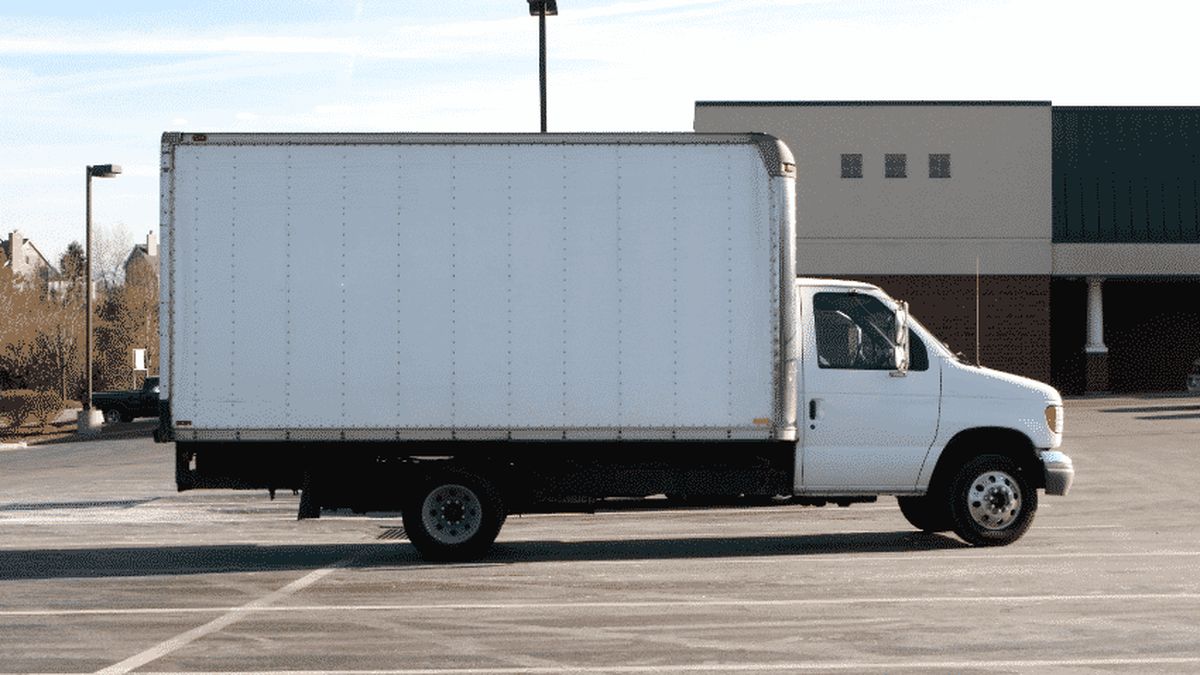
Transport involving the exchange of materials and equipment with the outside world is mainly done by wheeled vehicles, particularly trucks. But, it is also possible to use rail transport, continuous conveyors (belt conveyor) or funiculars.
Among the transport vehicles there are dumpers, vehicles specially designed for use on the construction site, thanks to characteristics such as robustness, tipping body and reduced curvature radius. Depending on their autonomy, they can travel on the road or only on construction sites.
For the high transport of construction site materials, it is useful to use elevators capable of transporting what we need quickly and easily. There are personnel and material elevators suitable for use on facades or on scaffolding in new buildings, designed with sophisticated and modern software. All this optimizes weight, strength and convenience in an optimal way.
Furthermore, for handling materials, you can use motorized forklifts or pallet trucks, motorized and manual. Here too, there are trolleys made with aluminum columns resistant to lateral and vertical stresses and controlled bending.