
How to wish Muslims a happy Ramadan?
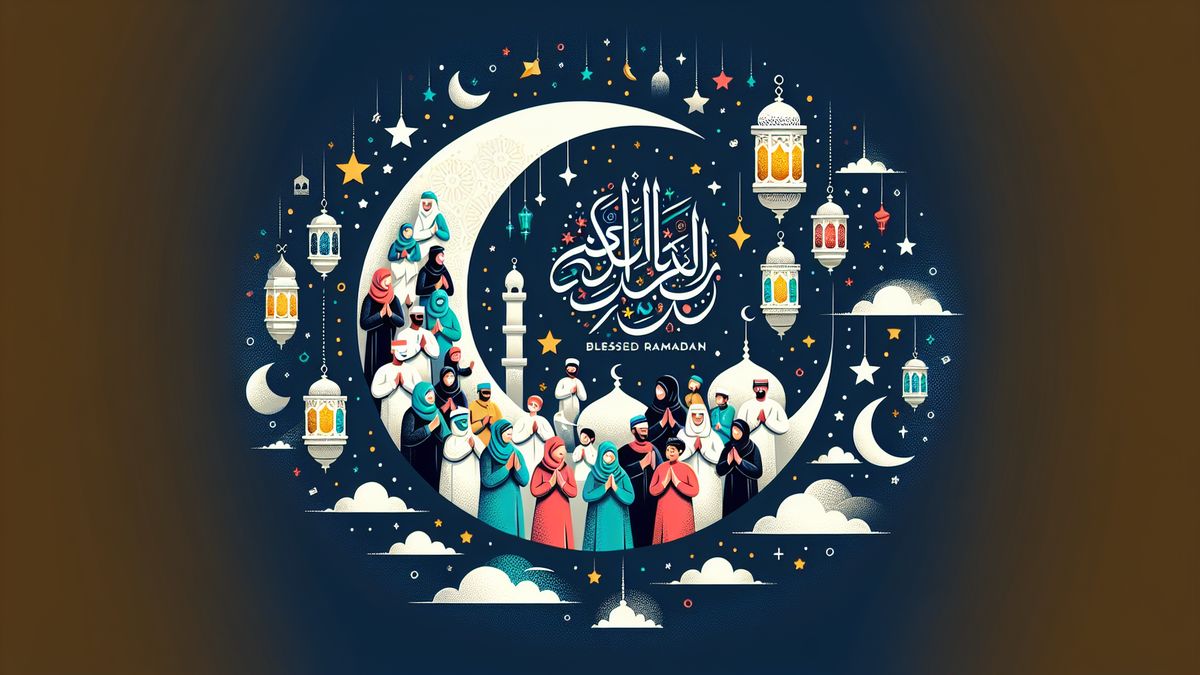
Meaning of Ramadan in Islam
Ramadan, a holy month for Muslims around the world, has particular importance within the Islamic tradition. It is much more than a simple fast, representing a period of spirituality, reflection and purification. Let's discover together the deep meaning of this blessed month.
Ramadan as an initiatory and symbolic ritual
According to Abdennour Bidar, philosopher and specialist in religious issues, Ramadan has both a symbolic and initiatory meaning. It is a time of introspection, discipline and spiritual connection with God. During this month, believers are invited to refocus on their values, to practice patience, generosity and compassion towards others.
The practice of fasting during Ramadan
“Doing Ramadan” is not just about fasting daily from sunrise to sunset. It also means refraining from any harmful behavior, both physically and morally. Fasting allows you to feel hunger and thirst, and thus develop empathy towards those less fortunate. It is an act of worship and purification, aimed at strengthening faith and personal discipline.
The origin and meaning of Ramadan
The origin of the word “Ramadan” goes back to Arab-Semitic roots meaning “burning” or “fiery”. This term evokes the warmth and spiritual intensity of this month when believers strengthen their bond with God through prayer, reading the Koran and acts of charity. Ramadan is also marked by moments of sharing with family and community, strengthening social bonds and mutual aid.
By exploring the different dimensions of Ramadan, we understand that it is a ritual deeply rooted in Muslim history and culture, as well as being a time of spiritual renewal and moral uplift for the faithful. It embodies the values of tolerance, generosity and solidarity, inviting Muslims to draw closer to God and cultivate kindness towards others.
Ramadan is therefore much more than a simple religious practice; it is a privileged moment to refocus on the essential, to purify oneself and to strengthen one's faith. By understanding the depth and beauty of this tradition, we can grasp the full cultural and spiritual richness it offers to millions of Muslims around the world.
Traditional formulas for wishing a happy Ramadan
The month of Ramadan is a sacred time for Muslims across the world. It is a time of fasting, prayer and reflection. To mark the start of this blessed month, it is common to wish loved ones a happy Ramadan. Here are some traditional formulas to express your wishes with warmth and respect:
1. “Ramadan Mubarak”
The “Ramadan Mubarak” formula is one of the most common for wishing a happy Ramadan. It literally means “Happy Ramadan” and is used to convey wishes for peace and blessings during this holy month. This simple but powerful message is appreciated for its sincerity.
2. “May this holy month bring you joy and prosperity”
By wishing that Ramadan brings joy and prosperity to your loved ones, you express your desire for happiness and success for them during this special period. It’s a warm way to show your support and kindness.
3. “May your prayers be answered in this blessed month”
Ramadan is a special time to make prayers and requests to God. By wishing that the prayers of your loved ones are answered, you show them your care and empathy. It's a nice way to show that you care about them and their spiritual aspirations.
By using these traditional formulas, you can express your wishes in an authentic and respectful way towards the religious practice of your friends and family during Ramadan. These messages, full of warmth and concern, help to strengthen bonds and share meaningful moments during this sacred month.
Original methods to wish Muslims a happy Ramadan
Ramadan is a holy month for Muslims across the world, marked by fasting, prayer and charity. It is also a time of sharing, reflection and spirituality. To express your warm wishes to your Muslim loved ones during this blessed month, here are 10 original ways to wish them a happy Ramadan:
1. Personalized Greetings Messages:
Reveal your creativity by sending personalized greeting messages to your Muslim friends. Express your admiration for their devotion and share words of support and encouragement for this holy month.
2. Sharing cooking recipes:
Suggest special recipes for Ramadan to your loved ones. Encourage them to cook traditional and delicious dishes to break the fast with family and friends.
3. Organization of Iftar evenings:
Invite your Muslim friends to friendly Iftar evenings. Share moments of conviviality and fraternity around a festive meal to celebrate the end of the daily fast.
4. Donation to charity:
In honor of Ramadan, donate to a charity that helps people in need. It’s a great way to show your solidarity and generosity.
5. Offer spiritual books:
Give books on spirituality and Islam to your Muslim loved ones. This will allow them to enrich their religious knowledge and delve more into the spirituality of Ramadan.
6. Participation in volunteer activities:
Offer to participate in volunteer activities for the community during Ramadan. This can be an opportunity to share precious moments and feel useful.
7. Create music playlists:
Make special music playlists for Ramadan. Choose religious songs and soothing Quran recitations to accompany moments of meditation and prayer.
8. Send handmade greeting cards:
Make handmade greeting cards with inspiring messages for Ramadan. Your loved ones will be touched by this personalized and meaningful attention.
9. Organize a cultural evening:
Organize a cultural evening dedicated to Ramadan. Offer artistic activities and debates on spirituality and Muslim tradition to share enriching moments with family and friends.
10. Share Inspirational Quotes:
Share inspirational quotes about Ramadan across your social networks. Encourage your loved ones to meditation, kindness and gratitude during this blessed month.
With these 10 original ways to wish Muslims a happy Ramadan, you can express your respect and support for this period of fasting and spirituality. May this sacred month be a source of peace, love and sharing for all.
The importance of the message of support and inclusion during the month of Ramadan
The month of Ramadan is a sacred time for Muslims across the world. It is a time of fasting, prayer and spiritual reflection. During this blessed month, it is essential to convey a message of support and inclusion to the entire Muslim community.
A message of support for Ramadan practitioners
Ramadan fasting is a demanding practice that requires strong discipline and deep spiritual commitment. As non-Muslims, it is important to show our support to those practicing Ramadan by showing them our understanding and solidarity. A simple message of support can bring comfort and strengthen bonds between communities.
Inclusion as a fundamental value
During the month of Ramadan, theinclusion is of particular importance. It is essential to be open-minded and welcome the cultural and religious diversity that characterizes our societies. By including Muslims in our celebrations and respecting their religious practices, we help to strengthen the social fabric and promote tolerance.
Commit to mutual understanding
Ramadan is a unique opportunity to promote mutual understanding between different communities. By exchanging religious traditions, values and practices, we can enrich our perspectives and build strong bridges between individuals. Listening, respect and kindness are essential to promote constructive dialogue and harmonious coexistence.
In conclusion, the message of support and inclusion during the month of Ramadan is of crucial importance for promoting unity, solidarity and living together. By adopting an open and respectful attitude, we help create a harmonious environment where everyone can fully flourish, regardless of their beliefs or religious practices.